

The Allure of the Monsoon Safari
While many of India's famous national parks close their core zones during the monsoon (typically July to September) for safety and breeding season, this doesn't mean wildlife adventures are off the table. In fact, it's quite the opposite. Several parks keep
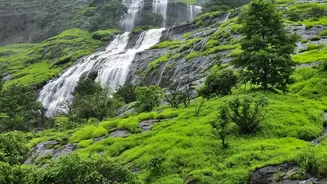
their buffer zones or specific sections open, revealing a world of lush greenery, dramatic skies, and unique animal behaviours. The rains bring a new vibrancy to the forests, and the reduced tourist traffic offers a more serene and personal experience. It is a chance to see nature at its most rejuvenated, with swollen rivers and landscapes painted in a thousand shades of green, making it a photographer's dream. For those willing to trade the dry-season dust for refreshing showers, an August safari is an unforgettable experience.
Periyar National Park, Kerala: Boating in the Green
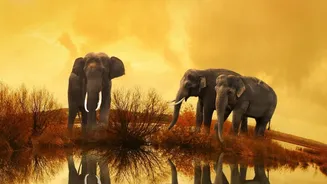
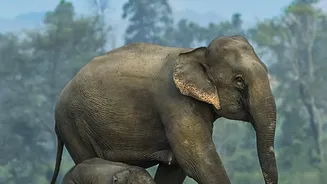
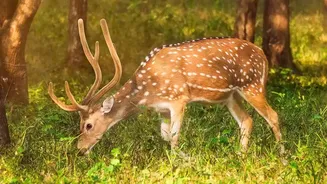
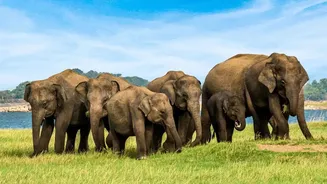
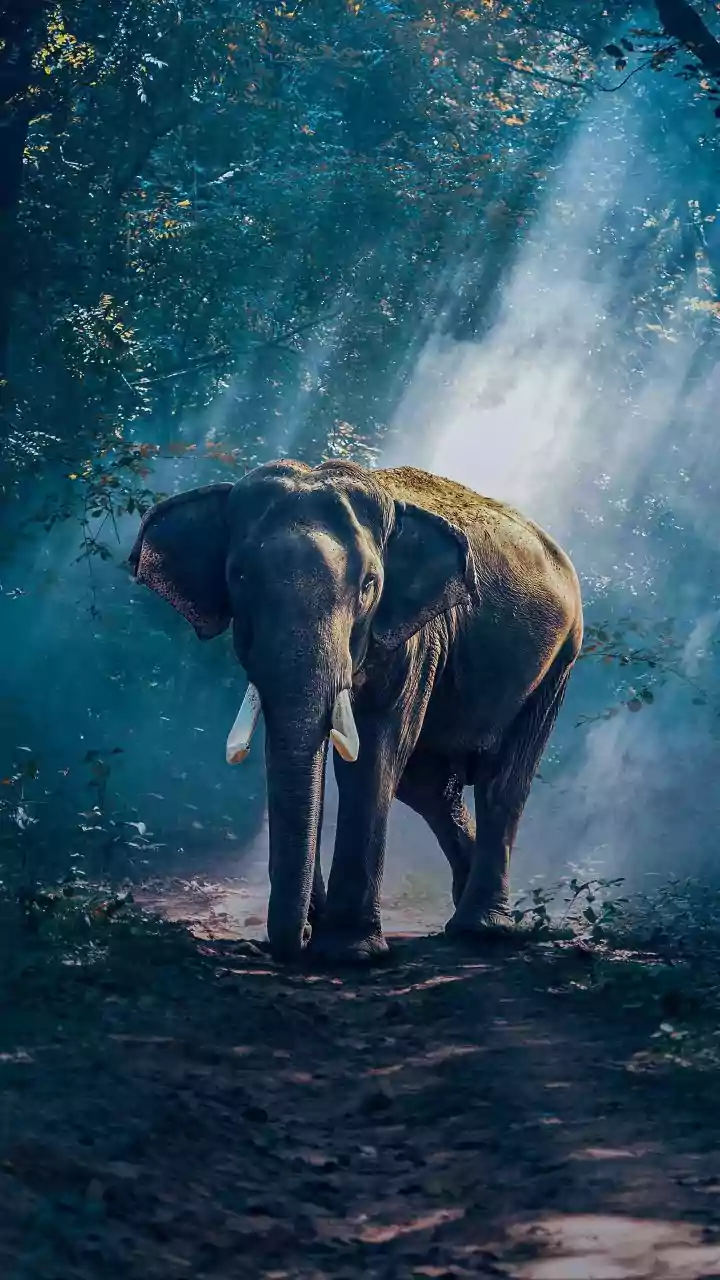
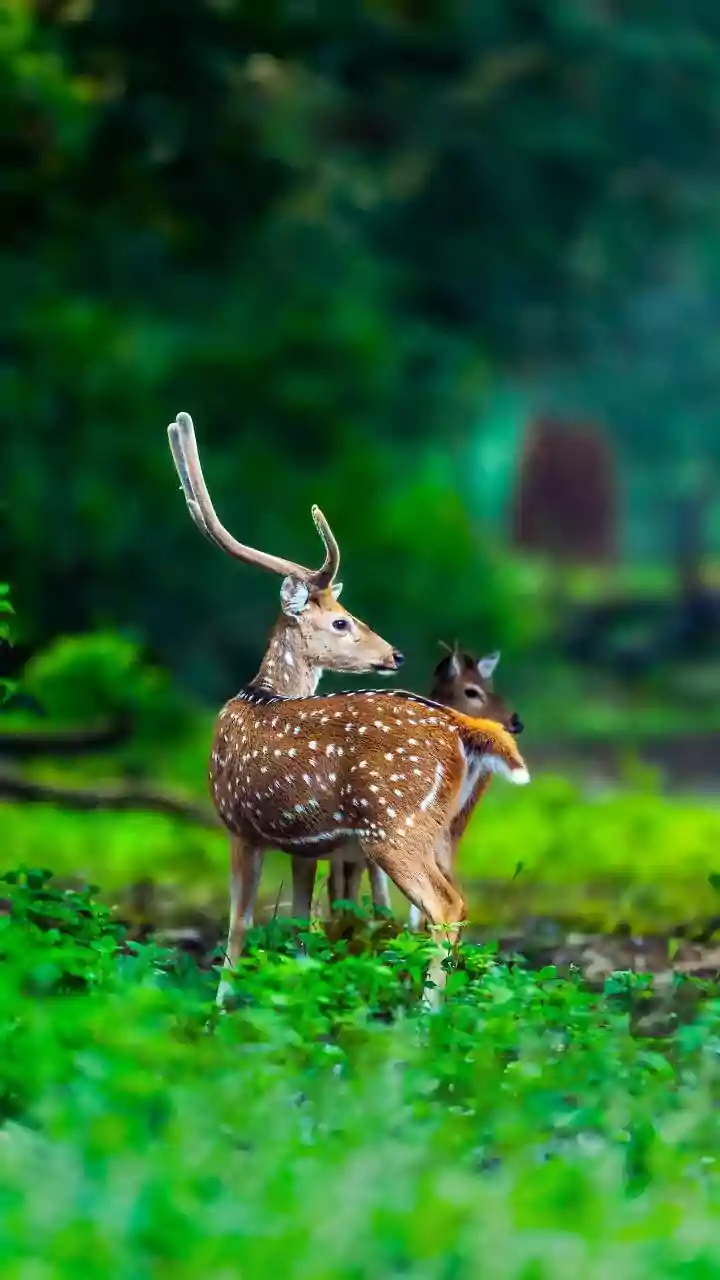
Periyar National Park in Kerala is one of South India's most popular reserves and remains open year-round, making it a prime August destination. The park is centred around a vast artificial lake, and the primary mode of wildlife viewing here is by boat. During the monsoon, the forests are a stunning emerald green, and the air is fresh and cool. While tiger sightings are rare, Periyar is famous for its large elephant population. Herds of elephants are often seen along the lake's edge, bathing and socialising. You can also spot sambar deer, wild pigs, gaur (Indian bison), and a rich variety of birdlife, including the Great Malabar Hornbill. The experience is less about a frantic safari chase and more about a peaceful, scenic glide through a thriving ecosystem.
Kabini, Karnataka: Where the Forest Meets the Water
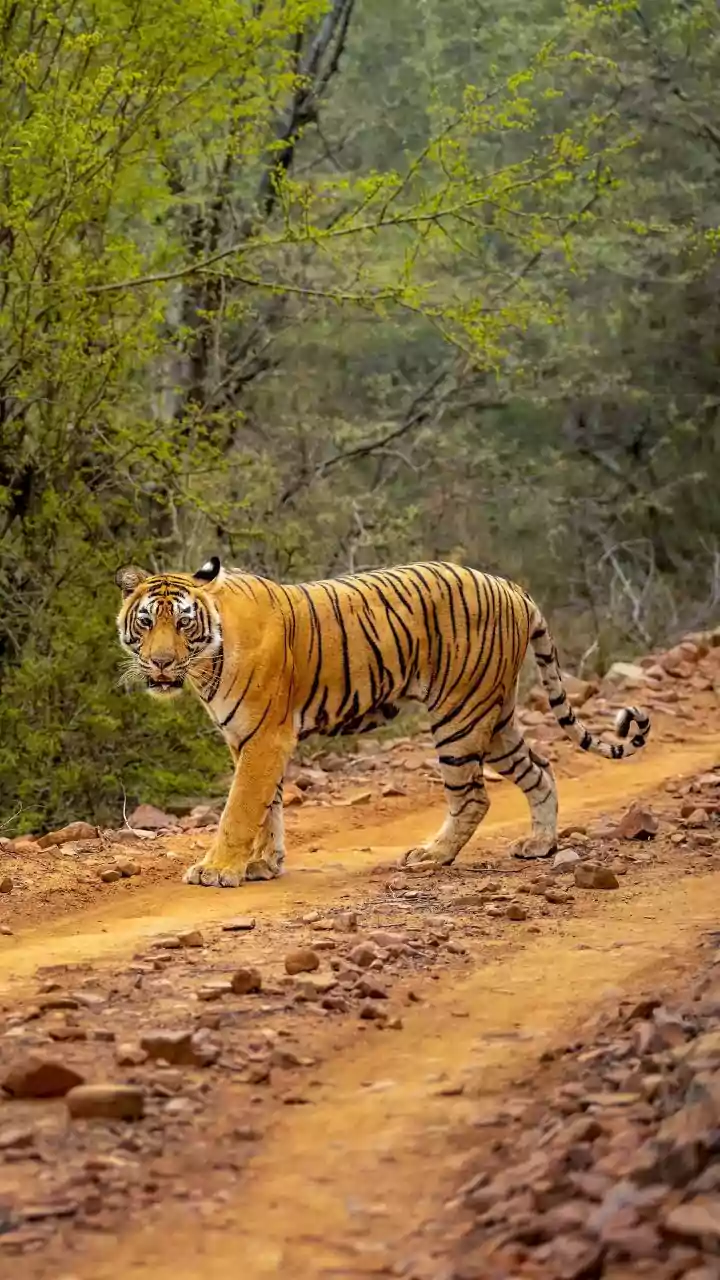
Nestled on the banks of the Kabini River, this region—part of Nagarhole National Park—is a spectacular monsoon destination that remains open for visitors, weather permitting. While some sources note that heavy rains can lead to safari cancellations, the monsoon transforms Kabini into a lush paradise. The backwaters of the Kabini reservoir swell, and animals are often drawn to the water's edge. This provides excellent opportunities for sightings, especially from boat safaris. Kabini is renowned for its population of leopards and tigers, and while the dense foliage can make spotting them a challenge, it's not impossible. Herds of elephants are also a common and magnificent sight against the misty, green backdrop.
Dachigam National Park, Jammu & Kashmir: A Himalayan Haven
For those looking to escape the heavy monsoon rains of the south and central regions, Dachigam National Park near Srinagar is an ideal choice. This high-altitude park receives significantly less rainfall, offering pleasant weather for exploration in August. The park is the last remaining habitat of the critically endangered Hangul, or Kashmir Stag. Summer is the best time to visit the upper reaches of the park. Besides the Hangul, you might spot other Himalayan species like the musk deer, leopard cat, and Himalayan Grey Langur. The dramatic mountain scenery, combined with lush meadows, makes for a breathtaking experience, especially for trekkers and birdwatchers.
Hemis National Park, Ladakh: High-Altitude Wonders
Located in the rain-shadow region of the Himalayas, Ladakh's Hemis National Park is unaffected by the monsoon, making August a perfect time to visit. As India's largest national park, it's a rugged, high-altitude landscape famous for being one of the best places in the world to spot the elusive snow leopard. While sightings of this ghost cat are never guaranteed, the park is also home to other fascinating species like the bharal (blue sheep), Tibetan wolf, Eurasian brown bear, and Himalayan marmot. The stark, stunning beauty of the terrain, combined with the unique wildlife adapted to this extreme environment, offers a truly once-in-a-lifetime adventure for intrepid travellers.