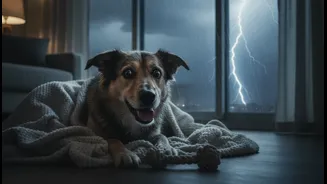






Understanding Thunderstorm Phobia
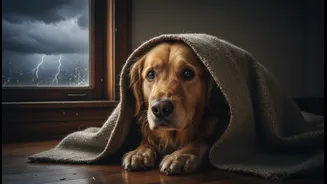
Astraphobia, or the fear of thunderstorms, is a common anxiety in dogs and even some cats. It's more than just a dislike of loud noises. Pets can be sensitive to a combination of triggers, including the booms of thunder, flashes of lightning, changes
in barometric pressure, and even the static electricity that builds up in the air. This can manifest as panting, shaking, drooling, pacing, hiding, or becoming destructive. Some pets become so frantic they might try to escape, which can lead to injury. This fear isn't something they can simply get over; in fact, it can worsen with each storm season if left unmanaged.
The Apartment Amplification Effect
While no pet is immune, apartment living can inadvertently make storm anxiety worse. The enclosed nature of buildings can amplify sounds, making thunder seem louder and more menacing. With neighbours above, below, and on all sides, there’s no escape from the noise. Furthermore, the lack of a private garden means there's no option for a quick, stress-free potty break during a long storm. A scared dog who also needs to relieve itself is a recipe for extreme stress for both pet and parent. The feeling of being 'trapped' in a small space with no escape route can heighten a pet's sense of panic.
Creating a Calming Sanctuary
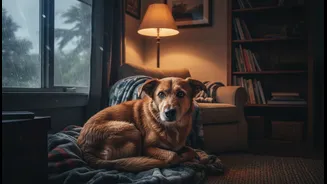
The most crucial first step is to create a 'safe haven' or 'thunder den' for your pet. This should be an area they can retreat to where they feel secure. Many dogs instinctively seek out small, enclosed spaces. You can enhance their chosen spot—be it a crate, a closet, or a bathroom—by making it comfortable with their favourite blankets. Closing the curtains can block out scary lightning flashes, while playing calming music or turning on a white noise machine can help muffle the sound of thunder. The idea is to create a predictable, secure environment that masks the chaos outside.
Management and Distraction Techniques
Your own behaviour during a storm is critical. Pets are highly attuned to our emotions, so it's important to remain calm and act normally. Punishing a fearful pet will only increase their anxiety. Instead, try to create positive associations with the storm. This is known as counter-conditioning. Engage your pet in a calm game, or offer them a high-value chew toy or a food puzzle to distract them. Comforting your pet with gentle petting is fine if they seek it out; you are not reinforcing the fear, but providing security.
Helpful Tools and When to See a Vet
Several products on the market can help manage anxiety. Anxiety wraps, such as the ThunderShirt, apply gentle, constant pressure that has a calming effect on many dogs, similar to swaddling an infant. Pheromone diffusers can also help create a calming atmosphere. However, if your pet's phobia is severe—leading to self-injury, extreme panic, or property destruction—it's essential to consult a veterinarian. They can rule out any underlying medical issues and may recommend behavioral therapy or prescribe anti-anxiety medication to be used before a storm hits, ensuring your pet's safety and well-being.