






The Heart of the Celebration: Choosing Your Idol
The first and most significant step is welcoming Lord Ganesha into your home. This year, the festival begins on September 14, 2026. More than ever, there is a strong movement in Mumbai towards sustainable celebrations. Consider opting for an eco-friendly
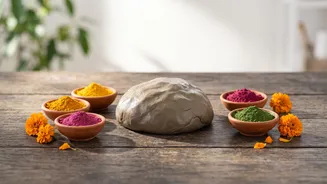
idol made from 'shadu mati' (natural clay), paper mâché, or other biodegradable materials. These idols dissolve in water without harming marine life, a responsible choice compared to traditional Plaster of Paris (PoP). In fact, the Brihanmumbai Municipal Corporation (BMC) is actively encouraging this shift by offering free spaces to sculptors making green idols. Booking your idol in advance is crucial, whether from a local artisan or one of the many online portals that now offer eco-friendly options. This ensures you get the size and form you desire and supports the artisans who work for months ahead of the festival.
Setting the Stage: Home and Mandap Decorations
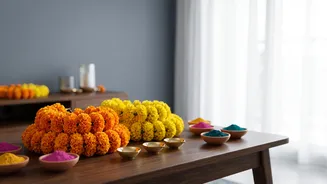
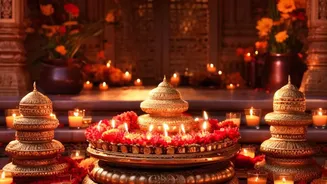
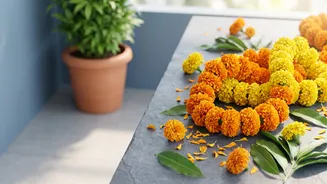
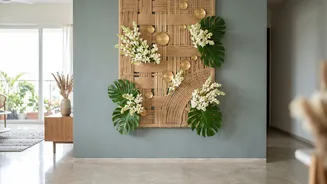
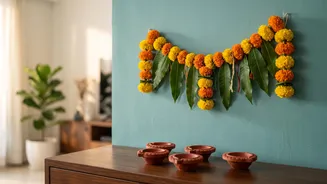
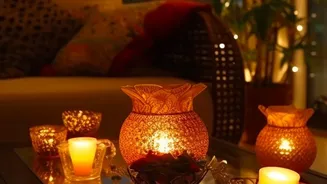
Creating a beautiful mandap or pandal at home is a cherished tradition. Instead of non-biodegradable thermocol and plastic, think creatively and sustainably. Use cloth, dupattas, and sarees to create colourful backdrops. Decorate with fresh flowers, mango leaves, and potted plants to create a natural and divine atmosphere. Replace disposable electric lights with traditional diyas and lamps, which add a warm, devotional glow. Involving children in making decorations, like paper garlands or rangoli, not only makes the process more personal but also instills in them the values of the festival. This is also a good time to plan your festive outfits, as pandal-hopping and visiting relatives are a big part of the celebration.
The Taste of Tradition: Festive Food and Prasad
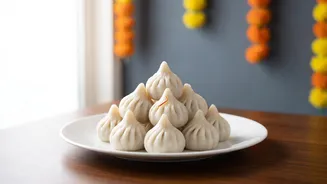
Ganesh Chaturthi is a feast for the senses, and food plays a central role. Modaks, believed to be Lord Ganesha's favourite sweet, are essential. Whether you prefer the steamed 'ukadiche modak' or the fried variety, planning is key. Prepare the filling of coconut and jaggery in advance. Other festive treats like Puran Poli and laddoos can also be planned ahead. Make a list of all the groceries and puja samagri (ritual items) you'll need for the ten days. Stocking your pantry beforehand saves you from last-minute rushes during a time when markets are exceptionally crowded. Don't forget to plan for the daily prasad offered to the deity and distributed among family and friends.
A Sustainable Farewell: Planning the Visarjan
The farewell procession, or Visarjan, marks the culmination of the festival. Depending on family tradition, this can be on the same day, or after 1.5, 3, 5, 7, or 10 days. For a truly eco-friendly festival, the immersion process is critical. The BMC has been setting up numerous artificial ponds across the city for the immersion of smaller idols to prevent pollution of natural water bodies like the sea. Families are strongly encouraged to use these facilities. Before the immersion, ensure all non-biodegradable decorations like plastic flowers and ornaments are removed from the idol. The floral waste (nirmalya) should be disposed of in the separate collection bins provided by the BMC at immersion sites.
Navigating the City: Traffic and Safety
Mumbai's energy during Ganeshotsav is infectious, but it also means massive crowds and traffic diversions. If your plans include pandal-hopping to see famous idols like Lalbaugcha Raja, it is wise to use public transport and be prepared for long queues. The Mumbai Traffic Police typically issues detailed advisories, closing certain roads and creating no-parking zones, especially on major immersion days. It’s best to check for these updates before heading out. Keep essentials like water bottles, comfortable footwear, and a small first-aid kit handy, especially if you have children or elderly family members with you. For public mandals, the BMC has even made safety training for volunteers mandatory, covering crowd management and fire safety.