




Understanding Your Jewellery's Needs
Artificial and costume jewellery are typically made from base metals like brass, copper, or steel, which are then plated with a very thin layer of gold or another finish. This plating is what gives the piece its lustrous look, but it's also incredibly
delicate. Unlike solid gold, which is durable, this thin layer can be easily scratched, worn away, or chemically stripped by harsh substances. Understanding this vulnerability is the first step to proper care; the goal is always to clean the surface grime without damaging the fragile plating underneath.
The Safest and Simplest Cleaning Method
For routine cleaning, you don't need anything more than mild soap and water. Fill a small bowl with lukewarm water and add just a few drops of a gentle, unscented dish soap. Dip a soft, lint-free microfibre cloth into the solution, squeeze out the excess, and gently wipe down your jewellery. For intricate designs or chains, a baby-soft toothbrush can be used to lightly get into crevices. A key rule is to never soak plated jewellery for long periods, as moisture can seep into seams and loosen glue in stone settings. A quick rinse under cool water and an immediate, thorough drying is essential.
The Chemical 'Do Not Use' List
Many common household products can permanently ruin plated jewellery. The biggest culprits are harsh, corrosive, or abrasive chemicals. Strictly avoid bleach, chlorine (found in pools and some cleaners), ammonia, and acetone (nail polish remover). These can cause the plating to dissolve or become brittle. Also, steer clear of abrasive substances like toothpaste or baking soda paste, which act like sandpaper on the delicate finish, scratching and stripping away the gold layer. Even some specially treated 'silver polishing cloths' can be too harsh for plated items.
Drying and Polishing Done Right
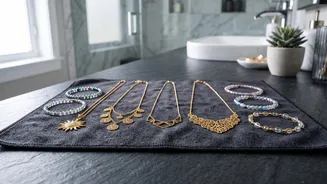
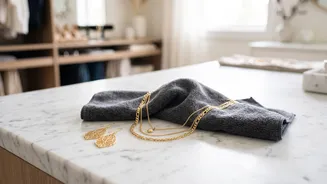
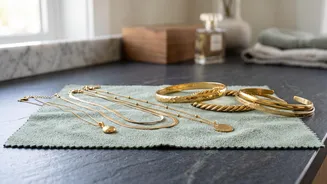
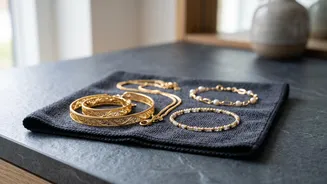
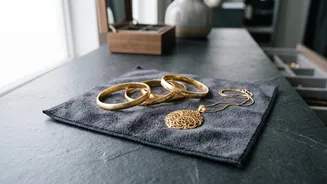
How you dry your jewellery is as important as how you wash it. After a quick rinse to remove any soap residue, gently pat the piece dry with a clean, soft towel. Do not rub, as this can cause friction and wear. For extra assurance, let the piece air-dry completely on a towel for 30 minutes to an hour before storing it. Trapped moisture is a primary cause of tarnish and corrosion, especially in clasps and links. For a quick shine boost between cleanings, simply buffing the piece with a dry microfibre cloth is often enough to remove fingerprints and restore lustre.
Prevention Is Better Than Cure
You can significantly reduce the need for cleaning by adopting a few simple habits. The golden rule is 'last on, first off'. Put your jewellery on only after you have applied all your makeup, perfumes, lotions, and hairspray. The chemicals in these products can build up on and corrode the plating. Always remove your jewellery before swimming, exercising, showering, or doing household chores. Wiping each piece with a dry, soft cloth after wearing removes skin oils and sweat, which also contribute to tarnish.
Smart Storage Habits
Proper storage is crucial for preventing scratches and tarnish. Tossing everything into one box is a recipe for tangled chains and scratched surfaces. Ideally, each piece should be stored separately in an airtight container or a small zip-top plastic bag. This protects it from humidity and oxygen, two major drivers of tarnish. You can add a small silica gel packet or an anti-tarnish strip to your jewellery box to absorb excess moisture, which is especially helpful in humid climates. Keeping your jewellery in a cool, dry place away from the bathroom is a simple but highly effective step.