



Meet the SPEARS Project
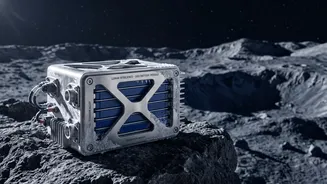
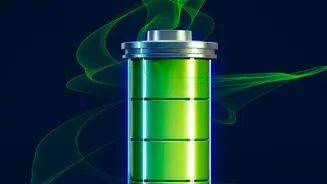
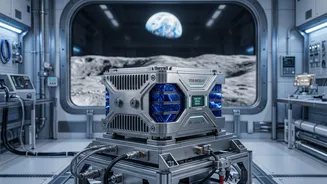
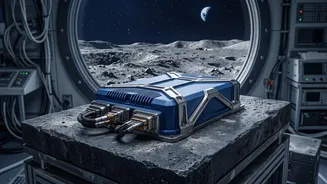
The technology is called SPEARS, which stands for Solid Power for Extreme Environment Adaptability and Resilience in Space. Led by NASA's Glenn Research Center, the project aims to solve a fundamental weakness of traditional lithium-ion batteries: their
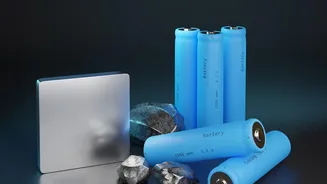
reliance on liquid electrolytes. These liquids can freeze in extreme cold, damaging the battery, or evaporate in a vacuum, making them unsuitable for space missions. SPEARS batteries replace this volatile liquid with a solid ceramic or polymer-based material. This solid-state design is inherently safer, reducing fire risk, and far more durable when faced with the wild temperature swings found on the Moon, where temperatures can plunge to minus 200 degrees Celsius.
The Challenge of the Cold
On Earth, the problems are less extreme but just as significant. In cold climates, the chemical reactions inside a standard lithium-ion battery slow down, reducing its power and capacity. For electric vehicle (EV) owners, this translates to reduced driving range in winter and frustratingly slow charging times. Many EVs have built-in heating systems to keep their batteries in an optimal temperature range, but this consumes precious energy that could otherwise be used for driving. The inability to charge quickly in sub-zero temperatures is a major hurdle for EV adoption in colder regions of the world.
A Built-In Warming System
The SPEARS technology tackles this head-on. While the solid-state design allows the batteries to survive temperatures as low as minus 170 degrees Celsius without damage, they cannot operate at such extreme lows. The solution is an ingenious, yet simple, internal heating system. Small heaters are embedded within the battery cells. When needed, these heaters can quickly bring the battery back to its operational temperature. The key advantage is that the battery doesn't need to be kept warm continuously; it only heats up on demand. This dramatically reduces the energy required for thermal management, a huge benefit for both space missions and terrestrial applications.
From Lunar Rovers to Indian Highways
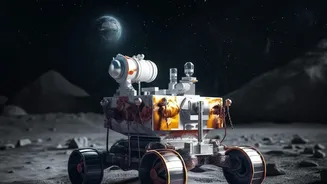
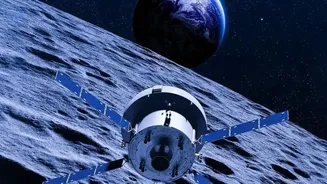
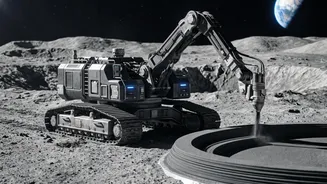
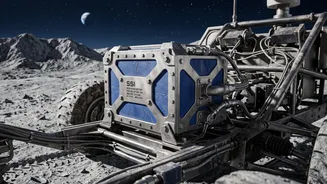
While SPEARS is being developed for NASA's Artemis campaign to power equipment on the Moon, the potential applications on Earth are vast. Imagine EVs in the northern states of India or in Himalayan regions that no longer lose a significant portion of their range during winter. Self-heating batteries could eliminate one of the biggest pain points for potential EV buyers in these areas. The technology is also a game-changer for high-altitude military operations, such as those in the Siachen Glacier, where reliable power for electronics and drones is critical in brutally cold conditions. Beyond that, the improved safety and durability of solid-state technology could benefit everything from consumer electronics to large-scale grid energy storage systems.
What's Next for This Technology?
The technology is still in the development phase, with recent tests conducted on small prototype 'coin-cell' batteries. Researchers at NASA's Langley Research Center confirmed the cells could operate with reduced performance at minus 80 degrees Celsius and survive exposure down to minus 170 degrees Celsius. The next steps involve scaling up the technology to larger pouch-cell formats suitable for real-world applications and refining the chemistry for different needs, whether it's for high power, long life, or maximum energy storage. While it may be a few years before SPEARS-like technology finds its way into a commercial EV or your smartphone, this breakthrough represents a critical step toward a future where battery performance is no longer at the mercy of the thermometer.