



The Myth of Bland Health Food
Let's be honest: high-fibre food has had a bit of a public relations problem. For decades, the push for more dietary fibre often meant choking down chalky cereals or joyless, boiled vegetables. The focus was so squarely on the benefits—improved digestion,
better heart health, and weight management—that taste was often left behind. [19] This created a false choice for many people: either eat for health or eat for pleasure. The good news is that this is a myth we can happily bust. The modern kitchen, especially in India, is perfectly equipped to marry these two concepts, proving that nutritious and delicious are not mutually exclusive.
Rediscover India's Ancient Grains
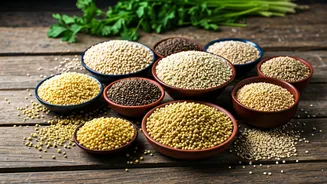
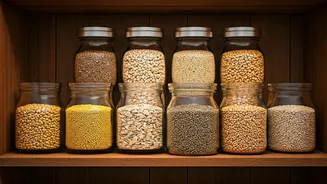
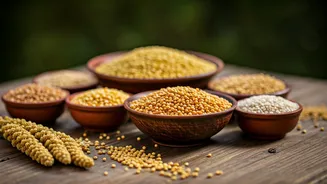
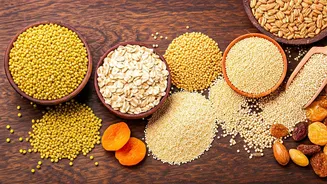
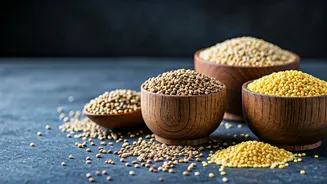
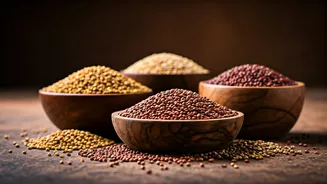
The first step to flavourful fibre is to look beyond refined wheat and rice. India has a rich heritage of millets like jowar (sorghum), bajra (pearl millet), and ragi (finger millet) that are making a huge comeback. [21] These grains are naturally high in fibre and gluten-free. [21] Instead of a simple roti, think of using millet flour to create crispy dosas, fluffy uttapams, or even a hearty biryani. [3, 22] Foxtail millet, for example, has a nutty flavour and soaks up the spices in a pulao or khichdi beautifully, making the dish more satisfying and easier on the stomach. [22] By swapping refined grains for these ancient powerhouses, you're not just adding fibre; you're adding a new layer of texture and taste to your meals. [11, 20]
Let Vegetables Be the Star
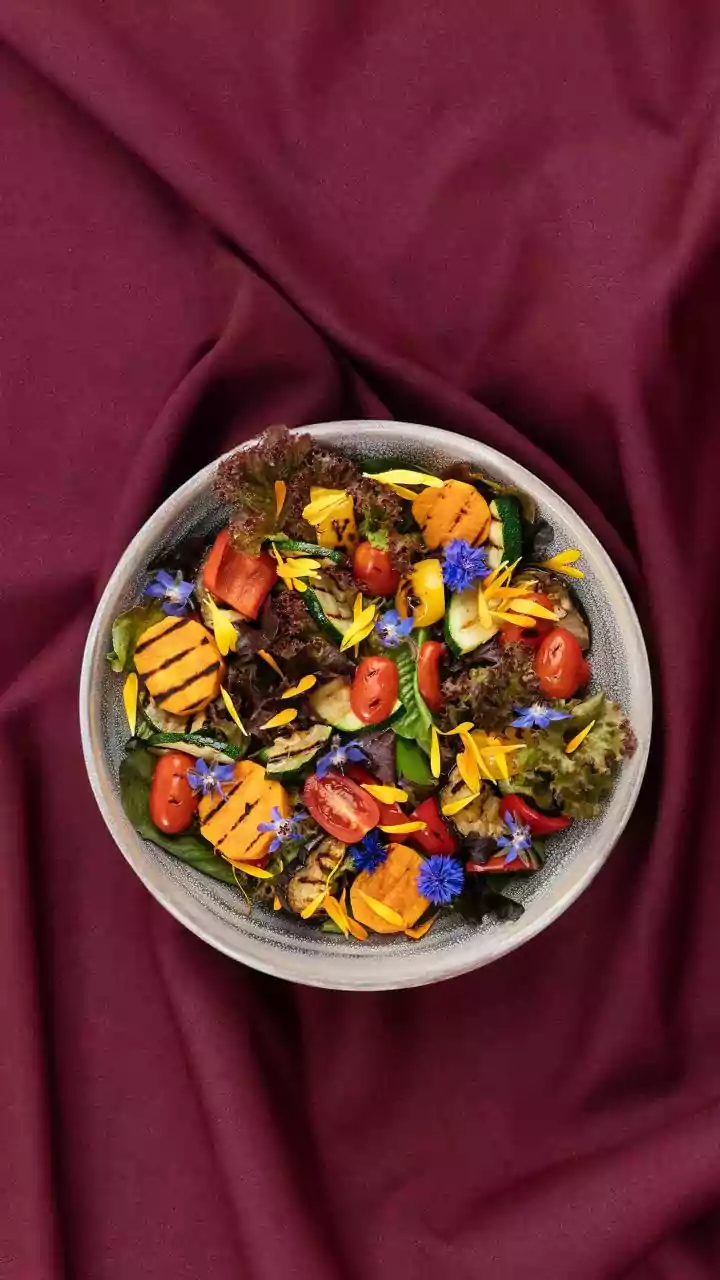
Vegetables are a cornerstone of a high-fibre diet, but their preparation is key. Forget boiling them into submission. Techniques like roasting, grilling, and stir-frying caramelize the natural sugars in vegetables, deepening their flavour. A simple tray of roasted carrots, broccoli, and sweet potatoes tossed in a bit of oil and salt is far more appealing than their steamed counterparts. [3] Indian cuisine already has a head start here. Think of a flavourful Gavarfali Ki Subzi (cluster bean stir-fry) or a tangy Khatta Meetha Kaddu (sweet and sour pumpkin). [2, 8] Even a simple mixed vegetable sabzi, with peas, beans, and carrots, becomes a fibre-rich delight when cooked with aromatic spices. [3]
Embrace the Power of Pulses
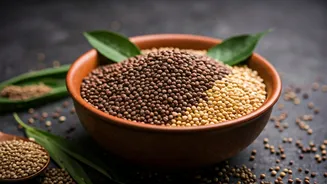
Legumes like beans, lentils, and chickpeas are fibre giants. [7] The Indian thali, with its essential bowl of dal, is a perfect example of flavourful fibre in action. A classic Punjabi Sabut Moong Ki Dal or a hearty Rajma Chawal are not just comfort foods; they are nutritional powerhouses. [12, 3] To elevate them further, don't shy away from a flavourful tadka of garlic, cumin, and chillies. [15] You can also incorporate legumes in more modern ways, such as adding chickpeas to salads, making black bean patties for burgers, or blending lentils into a thick, satisfying soup. [14]
Unlock Flavour with Spices and Herbs
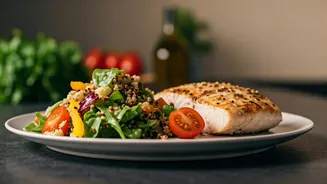
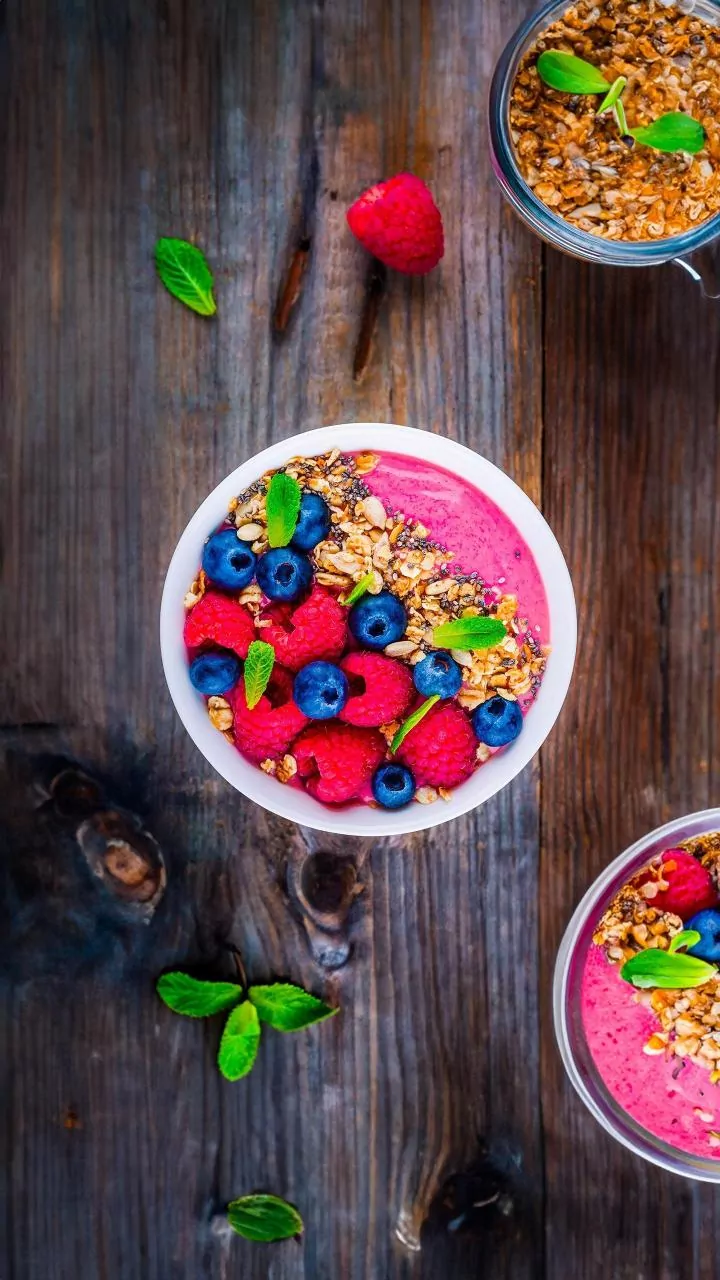
The ultimate weapon in your flavour arsenal is the spice box. Spices and herbs do more than just make food taste good; many have anti-inflammatory and antioxidant properties. [5] Turmeric, ginger, garlic, cumin, and coriander are staples that can transform any high-fibre ingredient. [18] Cooking quinoa in vegetable broth instead of water and adding fresh herbs can turn a bland grain into a vibrant side dish. [9] A simple dash of lemon juice or a spoonful of yogurt can brighten up a dal or sabzi, adding a layer of acidity that makes all the other flavours pop. [2] Don't forget the power of healthy fats from nuts and seeds, which add crunch, flavour, and another dose of fibre. [7, 14]