






Beyond the Disposable Poncho
For years, the transparent, single-use raincoat was a ubiquitous sight during the Indian monsoon—a cheap and convenient, if unreliable, shield against sudden downpours. Bought for a handful of rupees, it was often discarded just as quickly, contributing
to the country's mounting plastic waste problem. But today, a clear trend is emerging. Consumers, particularly in urban areas, are looking beyond temporary fixes and investing in long-term solutions. The rainwear market in India is experiencing robust growth, with projections showing it will expand significantly in the coming years. This isn't just about staying dry; it's about a fundamental change in consumer mindset, prioritising value, durability, and sustainability over throwaway convenience.
An Environmental Awakening
One of the most powerful drivers of this shift is a growing consciousness about the environment. Reports indicate that Indian consumers are increasingly concerned about climate change and plastic pollution. With India being a major generator of single-use plastic waste, the environmental cost of disposable products is becoming harder to ignore. This awareness is especially pronounced among millennials and Gen Z, who are favouring brands that align with their values. Choosing a reusable raincoat over a disposable one is a tangible, personal way to reduce plastic waste. This decision reflects a broader movement towards sustainable fashion, which is projected to become a major market force in India.
The New Economics of Staying Dry
While a reusable raincoat has a higher initial cost, many Indians are realising it makes better financial sense in the long run. The cycle of repeatedly buying flimsy ponchos that tear easily adds up over a monsoon season, whereas a quality raincoat can last for years with proper care. This calculation is appealing to a value-driven consumer base that is increasingly prioritising quality and durability when making purchases. The long-term cost-effectiveness, coupled with enhanced protection and comfort, makes reusable rainwear a practical investment rather than a frivolous expense. As disposable incomes rise, more people are willing to spend a little extra on products that offer better performance and longevity.
From Drab to Fab: Rainwear as Fashion
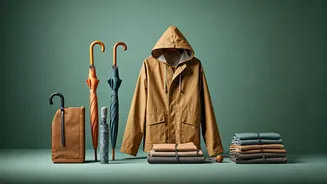
Modern rainwear has shed its purely functional, often unflattering image. Today, it’s a legitimate fashion statement. Brands are moving away from heavy, suffocating rubber coats and introducing collections that are stylish, breathable, and tailored. The 2026 monsoon season is seeing a surge in trendy raincoats featuring bold colours like mustard yellow and olive green, along with smarter silhouettes with features like adjustable waists and structured hoods. This evolution means consumers no longer have to choose between looking good and staying dry. The influence of techwear is also apparent, with jackets incorporating functional elements like waterproof utility pockets and reflective details for safety, blending high performance with everyday aesthetics. This focus on design is a key reason more people, especially fashion-conscious urban women, are embracing reusable rainwear as part of their wardrobe.
Choosing the Right Monsoon Companion
For those ready to make the switch, selecting the right reusable raincoat involves more than just picking a colour. Breathability is a key standard, with modern fabrics designed to block rain while allowing body heat to escape, preventing that sticky, humid feeling. Materials like lightweight polyester, nylon, and those with advanced waterproof membranes are excellent choices. Look for features like sealed seams to prevent leaks, adjustable hoods for better protection, and a comfortable inner lining. Fit is also important; a well-fitting jacket offers better protection and comfort. Whether you're a daily commuter on a two-wheeler or navigating crowded city streets on foot, investing in a durable, well-designed raincoat is a choice that pays dividends in comfort, style, and sustainability.