


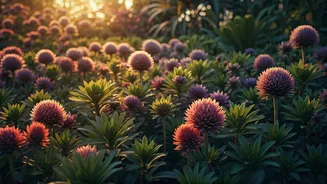
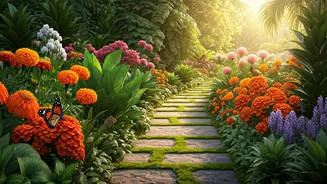


What Are Native Plants, Really?
Before you dismiss this as a trend for ecological experts, let’s simplify. Native plants are species that have grown and evolved in a particular region for thousands of years. They are the original flora of our land, perfectly adapted to the local climate,
soil, and rainfall patterns. Think of the Parijat (Night-flowering Jasmine) releasing its fragrance on a cool evening or the tough, vibrant Bougainvillea climbing a wall. These aren't exotic imports; they are plants that belong here. They’ve survived droughts, monsoons, and local pests for centuries without any help from us. This inherent resilience is what makes them the 'smart' choice for any modern Indian garden.
The Low-Maintenance Advantage
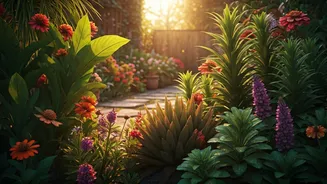
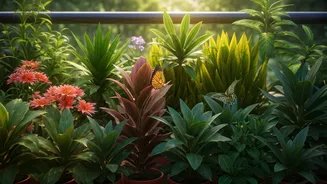
The single biggest reward of gardening with native species is the freedom it gives you. Because these plants are tailor-made for our environment, they require significantly less intervention. Forget constant watering; their root systems are designed to thrive on seasonal rainfall. Most are naturally resistant to local pests and diseases, which means you can ditch the chemical pesticides and fertilisers. This isn't just better for the environment and your wallet; it’s better for you. It means less time spent on labour-intensive garden chores and more time enjoying the beautiful, thriving space you’ve created. A native garden works with nature, not against it, creating a harmonious ecosystem that largely takes care of itself.
Become a Biodiversity Hotspot
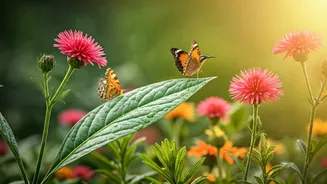
When you plant a native species, you’re planting more than just a pretty flower. You are rolling out a welcome mat for local wildlife. Indian birds, butterflies, bees, and other insects have co-evolved with these specific plants for millennia. They rely on them for food, shelter, and breeding. Planting a hibiscus will attract sunbirds, while a curry leaf plant (kadi patta) is a host for the Common Mormon butterfly. A garden filled with foreign, ornamental plants is like a food desert for local fauna. By choosing natives, you transform your balcony or backyard into a vital link in the local food web, contributing to a healthier, more vibrant ecosystem right outside your window.
Celebrating Our Natural Heritage
For too long, the ideal garden has been defined by foreign aesthetics—perfectly manicured English lawns or exotic tropicals that struggle in our climate. Embracing native plants is an act of reclaiming our own unique natural beauty. It's about celebrating the rugged elegance of the Indian Ghost Tree or the brilliant burst of colour from a Flame of the Forest (Palash). These are plants steeped in our culture, literature, and traditions. A native garden doesn't look generic; it looks like home. It reflects the true ecological and cultural identity of your region, creating a space that is not only beautiful but also meaningful and deeply connected to its roots.
Getting Started With Native Stars
Starting your native garden journey is easier than you think. You don't need to overhaul your entire space at once. Begin by identifying one or two native plants that suit your light conditions and space. Here are a few reliable choices found across many parts of India: * **Parijat (Nyctanthes arbor-tristis):** A small tree or large shrub known for its intensely fragrant white and orange flowers that bloom at night and carpet the ground in the morning. It’s hardy and requires minimal care. * **Hibiscus (Hibiscus rosa-sinensis):** While many hybrids exist, the native varieties are tough, drought-tolerant, and produce beautiful blooms that attract birds and bees. They are perfect for sunny spots. * **Shankhpushpi (Clitoria ternatea):** A fast-growing, beautiful vine with striking deep-blue flowers. It’s incredibly resilient, fixes nitrogen in the soil, and can be grown in pots or on a trellis. * **Curry Leaf (Murraya koenigii):** A must-have for any Indian home. This small tree is not only a culinary treasure but also attracts a variety of butterflies. It's easy to grow in a large pot or in the ground.
Where to Find Your Plants
While your local nursery might be dominated by exotic hybrids, finding native plants is becoming easier. Seek out specialised nurseries that focus on indigenous species. Many cities now have conservation groups or environmental NGOs that run plant sales or can guide you to the right sources. Don't be afraid to ask! Talk to experienced local gardeners and join online gardening forums specific to India. The community is growing, and people are often eager to share knowledge and even cuttings. Start by observing what grows wild and well in your neighbourhood—it's the best clue to what will thrive in your garden.