



The Science of the Vrat Pantry
The foundation of most Hindu fasting diets is the principle of avoiding ‘anna’, or grains like wheat and rice. This tradition also often excludes table salt, onions, and garlic. The reasoning is rooted in Ayurveda, which suggests that lighter, purer (sattvik)
foods aid digestion and calm the mind, making it easier to focus on spiritual practices. This is where ingredients like makhana, kuttu, and rajgira come in. They are not true cereal grains, which allows them to fit within the dietary rules of Vrat. This distinction, based on botany, has paved the way for a rich and surprisingly diverse culinary tradition built around these fasting staples.
Makhana: The Puffed Lotus Seed
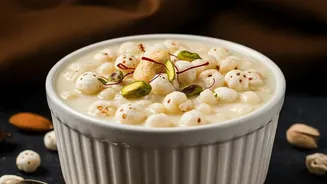
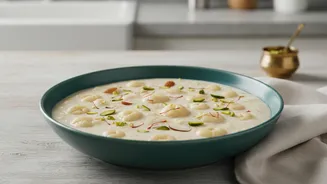
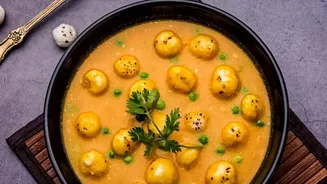
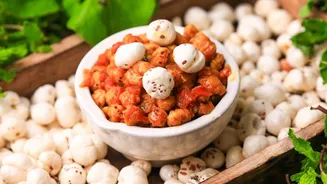
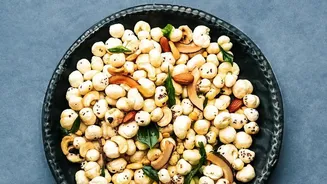
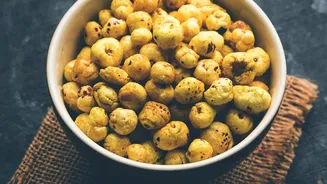
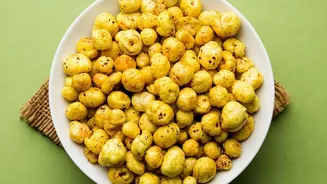
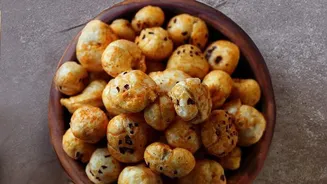
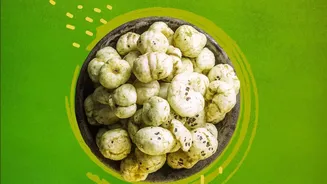
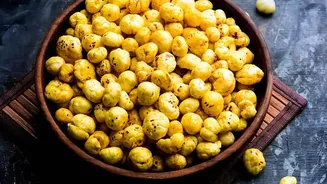
Often called fox nuts, makhana are the puffed seeds of an aquatic plant, the Euryale ferox. Since they are seeds and not grains, they are a fixture in Vrat kitchens. Nutritionally, makhana is a powerhouse. It is low in calories and fat, yet rich in protein, fibre, and essential minerals like magnesium and potassium. This impressive profile helps maintain energy levels and keeps hunger pangs at bay during a fast. Its neutral flavour and light, crunchy texture make it incredibly versatile. During Vrat, it’s most commonly enjoyed roasted with a sprinkle of rock salt (sendha namak) and pepper, or used to make a creamy, comforting kheer.
Kuttu: The Hardy Buckwheat
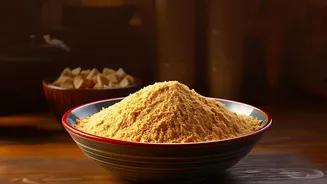
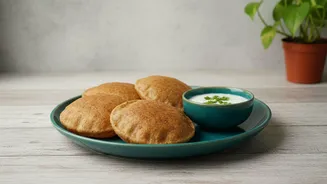
Despite its name, buckwheat, or kuttu, is not a type of wheat. It is the seed of a broadleaf plant, making it a ‘pseudo-cereal’ and therefore permissible for fasting. Kuttu ka atta (buckwheat flour) is a beloved Vrat staple, known for its dense, nutty flavour and warming properties, which makes it particularly popular during the autumn Navratri. It is packed with high-quality protein, dietary fibre, and minerals like magnesium. Its high fibre content promotes satiety, keeping you feeling full for longer. The most popular way to enjoy kuttu during a fast is in the form of deep-fried puris, often served with a simple potato curry. However, it's also used to make savoury pancakes (cheelas) and fritters (pakoras).
Rajgira: The Royal Amaranth
Rajgira, or amaranth, translates to ‘royal grain’, and its nutritional profile is certainly regal. Like kuttu, it is a pseudo-cereal, a seed from a non-grass plant, making it a key part of the Vrat diet. Rajgira is celebrated for being a complete protein, containing all nine essential amino acids. It's also an excellent source of calcium, iron, and fibre. Its flour is naturally gluten-free and is used to make soft rotis, puris, and thalipeeth (a savoury flatbread). The puffed seeds of rajgira are also popular, often bound with jaggery to create crunchy chikkis or ladoos, offering a healthy and energetic sweet treat during fasting periods.
Beyond the Fast: Modern Superfoods
While deeply rooted in religious tradition, makhana, kuttu, and rajgira have found a new identity in the world of modern wellness. Their impressive nutritional benefits—being gluten-free, protein-rich, and packed with minerals—have turned them into year-round superfoods. Health-conscious consumers now snack on roasted makhana instead of processed chips, and use kuttu and rajgira flours as healthier, gluten-free alternatives in their daily cooking. What was once reserved for the Vrat thali is now a celebrated part of a balanced, nutritious diet, demonstrating that traditional wisdom often aligns perfectly with contemporary health goals.