






The New Social Club
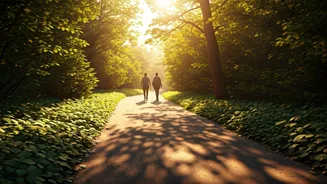
Forget stuffy community halls or expensive club memberships. The new social hub for many Indians, from retirees in Pune to young professionals in Gurugram, is the humble neighbourhood park. Walking groups are sprouting up organically, driven by a shared
desire for health and human connection. These are not hardcore fitness bootcamps; they are informal, friendly gatherings where the pace is conversational and the primary goal is to show up. Members might be strangers at first, but the shared rhythm of a daily walk quickly builds a unique and powerful camaraderie. It's a return to a simpler form of community, one step at a time.
The Science of a Simple Step
The physical benefits of walking are well-documented and profound. The World Health Organization recommends at least 150 minutes of moderate-intensity aerobic activity per week, and brisk walking fits this prescription perfectly. Regular walking helps manage weight, lowers blood pressure, and reduces the risk of chronic diseases like type 2 diabetes, heart disease, and certain types of cancer. It strengthens bones and muscles, improves balance, and boosts immune function. Unlike high-impact exercises, walking is gentle on the joints, making it accessible to people of all ages and fitness levels. The beauty of a walking group is that it turns this beneficial activity from a chore into a pleasant routine, making it far more likely that people will stick with it long enough to reap the rewards.
A Cure for Loneliness
While the physical benefits are significant, the secret sauce of walking groups is the profound impact on mental and social well-being. In an era where digital interactions often replace face-to-face contact, loneliness has become a silent epidemic. Walking side-by-side creates a unique social dynamic. It's less intense than staring at someone across a table, allowing conversation to flow more naturally. Shared silence is comfortable, and the gentle physical exertion can lower social anxiety. Participants report that these daily chats are a lifeline—a space to share daily triumphs and troubles, seek advice, or simply laugh with someone. This low-pressure socialising builds deep, authentic friendships over time, providing the sense of belonging that is crucial for mental health.
The Power of Routine
Why is a group so much more effective than walking alone? The answer lies in accountability and shared motivation. It's easy to hit the snooze button when you’re only accountable to yourself. But knowing that a friend—or a whole group of them—is waiting for you at the park gate is a powerful motivator. This shared commitment transforms exercise from a personal struggle into a collective ritual. The routine becomes ingrained in the fabric of daily life, a non-negotiable appointment for well-being. This consistency is the key to unlocking the long-term health benefits, while the daily social interaction reinforces the habit and makes it something to look forward to, rather than endure.
Finding Your Stride
Inspired to join the movement? Finding a group can be simpler than you think. Many communities have informal groups that meet at local parks at set times; showing up consistently is often the only entry requirement. Check local social media groups, neighbourhood forums, or community centre notice boards. In many residential societies, these groups form naturally. If you can’t find one, consider starting your own. All it takes is inviting one or two neighbours for a walk. The goal isn't to set a gruelling pace or cover a specific distance. It's about creating a welcoming space for movement and connection. The best walking groups are those where everyone feels comfortable moving at their own pace, and the conversation is as important as the cardio.