







The Speed-vs-Safety Dilemma
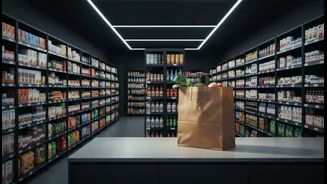
Quick-commerce platforms like Blinkit, Zepto, and Swiggy Instamart have transformed urban Indian life by promising groceries at your doorstep in minutes. This model thrives on a network of 'dark stores'—hyperlocal warehouses optimized for rapid order
fulfillment. However, the relentless focus on speed can create significant food safety challenges. Numerous consumer complaints allege the delivery of everything from rotten vegetables and expired milk to contaminated baby food. The pressure to pack and dispatch orders within minutes can lead to breakdowns in essential quality control processes, such as proper stock rotation, cold chain management for dairy and meats, and thorough checks for expired goods. This has not gone unnoticed, with regulators like the Food Safety and Standards Authority of India (FSSAI) recently issuing notices to major platforms over these very issues.
Why Quality Lapses Occur
The operational model of q-commerce is a double-edged sword. To enable 10-minute deliveries, dark stores must be stocked with a wide range of inventory. This makes rigorous, manual inspection of every single item a logistical challenge. Several factors contribute to the problem. Firstly, inventory management can be imperfect; older stock might not be moved out first, leading to expired items being shipped. Secondly, maintaining an unbroken cold chain from the warehouse to your doorstep is difficult, and any failure can cause perishable goods to spoil. Finally, third-party seller verification can be inconsistent, with some vendors on these platforms allegedly using incorrect or non-existent FSSAI license numbers. Recent FSSAI inspections of dark stores have uncovered violations ranging from unhygienic premises and improper storage to finding expired products on shelves.
Your Action Plan: Document Everything
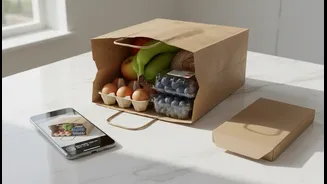
When you receive a grocery order that isn't up to standard, your best defense is good evidence. Before you even think about discarding the item or its packaging, you must create a detailed record. This is the most critical step in securing a refund and holding the platform accountable. Immediately take clear photographs or videos from multiple angles. Capture the spoiled or damaged part of the product, the expiry or 'best before' date on the label, the batch number, and the condition of the packaging itself. Also, save the digital invoice and make a note of the exact delivery time. Many consumers report frustration with in-app complaint bots running in loops; having this clear, timestamped evidence is crucial for escalating the issue effectively.
Navigating the Complaint Process
Armed with your evidence, start by using the app's official 'Help' or 'Support' section to report the issue with the specific order. Upload your photos and provide a concise description of the problem. If the platform offers only a refund without addressing the safety concern, or if your claim is denied, you must escalate. The next step is to send a formal email to the company's designated grievance officer, attaching all your evidence. This creates a formal paper trail. If you still don't receive a satisfactory resolution, you can file a complaint with the National Consumer Helpline at 1915 or use the FSSAI's 'Food Safety Connect' portal to report the safety lapse directly to the regulator.
Driving Industry-Wide Change
While getting a refund is important, reporting these incidents serves a larger purpose. Every documented complaint adds to a body of evidence that pressures the entire quick-commerce industry to mature beyond its initial focus on speed. Consumer grievances are the primary driver behind increased regulatory scrutiny, prompting the FSSAI to mandate clearer shelf-life rules and conduct surprise inspections of dark stores. Platforms are being pushed to improve everything from warehouse audits and temperature-controlled logistics to vendor verification and how they handle consumer complaints. By being a vigilant consumer and diligently reporting issues, you are not just solving your own problem; you are contributing to a safer and more reliable ecosystem for everyone.