





Why the Monsoon is a Gardener's Best Friend
After months of battling scorching heat, the rainy season provides ideal conditions for plants to thrive. Rainwater is naturally soft and free from the chemicals often found in tap water, which helps wash away salt buildup in the soil and allows roots
to absorb nutrients more efficiently. The cooler temperatures and higher humidity reduce stress on plants, while the diffused sunlight that filters through the clouds provides ample light without the risk of scorching tender leaves. This combination leads to faster root development, healthier foliage, and vigorous growth, making it the perfect season for even novice gardeners to find success.
The Rise of the Urban Gardener
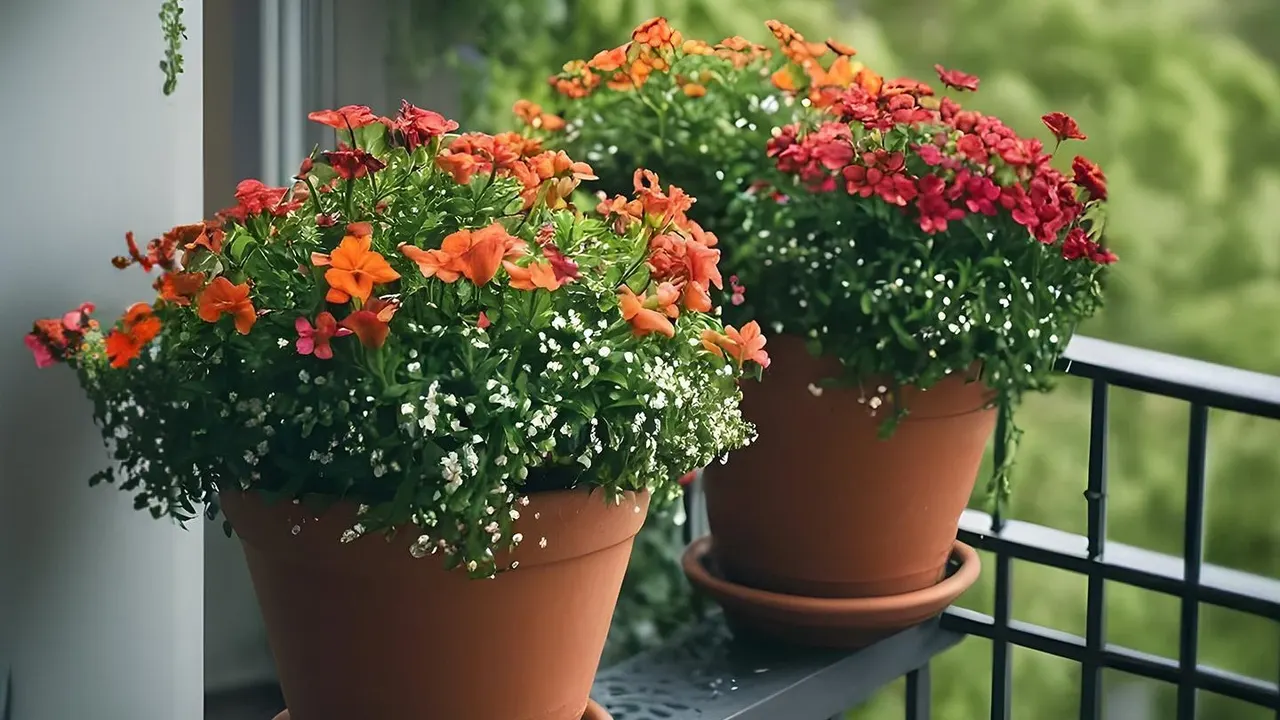
The trend of urban gardening is gaining momentum across India as people seek to reconnect with nature and enjoy fresh, pesticide-free produce. Balconies and rooftops in cities are being transformed into productive green spaces, cultivating vegetables and herbs that enhance nutrition and can even reduce household costs. Beyond the practical benefits of having fresh ingredients on hand, gardening offers a host of other advantages. It improves mental well-being by reducing stress, provides gentle physical activity, and can even help cool homes. For families, it's a wonderful way to teach children about where food comes from, fostering a deeper connection to nature amid a bustling city.
Your Monsoon Herb Starter Guide
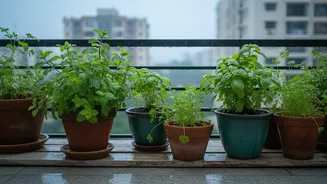
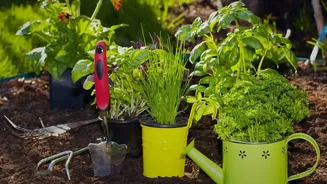
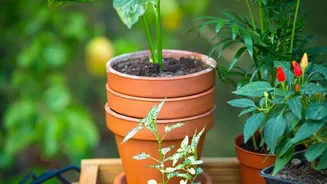
Starting a balcony herb garden is surprisingly simple and affordable. You don’t need a large space; a few pots on a windowsill or railing planters can be enough. The essentials include a few containers with good drainage holes to prevent waterlogging, a well-aerated potting mix (a combination of garden soil, compost, and a little sand works well), and your choice of seeds or saplings. Ensure pots are placed where they won't be battered by heavy downpours but can still receive a few hours of gentle sunlight. Grouping plants together can also help protect the soil from eroding during heavy rain.
Five Essential Herbs for Your Monsoon Garden
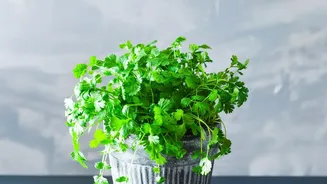
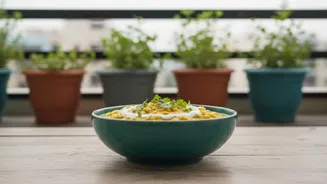
Certain herbs thrive in the humid, temperate conditions of the Indian monsoon. Here are five easy-to-grow choices: 1. Tulsi (Holy Basil): Revered for its immunity-boosting properties, Tulsi is a must-have. It helps clear the respiratory system, making it especially useful during the damp monsoon months. It needs well-drained soil and indirect sunlight. 2. Mint (Pudina): This fast-growing herb is perfect for monsoon chai and chutneys. It loves moisture but prefers a spot with morning sun and some afternoon shade. Keep it in its own pot, as it tends to spread rapidly. 3. Coriander (Dhania): A staple in Indian cooking, coriander grows quickly and doesn't require much attention. It enjoys the cooler weather of the monsoon and can be harvested multiple times. 4. Lemongrass: Ideal for flavouring teas and soups, lemongrass also acts as a natural mosquito repellent—a major bonus during the rainy season. It needs a large, deep pot to grow well. 5. Curry Leaf (Kadi Patta): A versatile and low-maintenance herb, the curry leaf plant adapts well to balcony conditions. It provides a distinct aroma to dals and curries and thrives in warm, humid weather.
Essential Care Tips for the Rainy Season
While the monsoon is generous, it comes with its own challenges. The most critical factor is ensuring proper drainage to prevent roots from rotting in waterlogged soil. Always use pots with holes at the bottom. Avoid overwatering; even in the monsoon, you should only water when the top layer of soil feels dry. Regular pruning is also important, as plants can grow quickly and unevenly. Trimming encourages bushier, healthier growth. Finally, keep an eye out for pests like slugs and fungal diseases, which are more common in damp conditions. Good air circulation between your pots can help prevent these issues.