


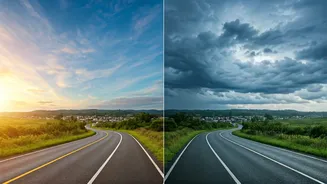



The Monsoon Travel Gamble
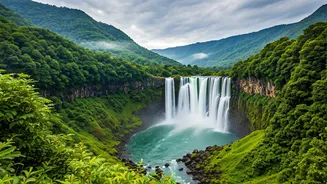
There’s nothing quite like sipping chai while watching the rain lash against the hills or feeling the cool spray of a revitalised waterfall. The monsoon transforms India’s landscapes, making destinations like Goa, Kerala, and the Himalayan states incredibly
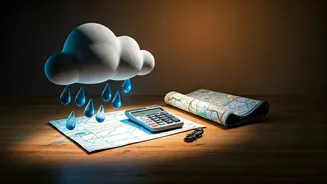
alluring. However, this beauty comes with inherent risks. Landslides in hilly regions like Himachal Pradesh and Uttarakhand can block roads for days. Coastal areas can face severe waterlogging, and cities can grind to a halt. For travellers, this translates into cancelled flights, inaccessible hotels, and ruined itineraries. The magic of the monsoon demands respect, and that respect begins with acknowledging that your best-laid plans might need to change at a moment's notice.
Know Your Refund Rights: Flights & Trains
When travel is disrupted, your first concern is often your money. For air travel, the Directorate General of Civil Aviation (DGCA) has clear guidelines. If an airline cancels your flight, you are entitled to a full refund. If a flight is significantly delayed, you are also entitled to refreshments and, depending on the length of the delay, hotel accommodation. The key is that the disruption must be initiated by the airline. If you decide not to travel due to a weather forecast, standard cancellation fees will likely apply unless you have a flexible ticket. For train travel, if the train is cancelled by Indian Railways, a full refund is automatically processed. If the train is delayed by more than three hours and you decide not to travel, you can file a Ticket Deposit Receipt (TDR) to claim a refund, but this process isn't always guaranteed and must be done within a specific timeframe.
The Hotel Headache: Securing Your Stay
Hotel refund policies are more complex and less regulated than air travel. Your success in getting money back depends heavily on the hotel's individual policy and how you booked. Booking directly with a hotel often provides more flexibility; a phone call can sometimes be enough to shift dates or secure a refund, especially if your reason for cancellation is a verifiable event like a road closure. Booking through online travel aggregators (OTAs) means you are bound by the OTA's cancellation policy, which might be stricter than the hotel's. Always read the fine print before clicking 'pay'. Look for terms like "free cancellation" and understand the deadline. Non-refundable bookings are cheap for a reason—you are accepting the risk. In extreme cases, a well-documented travel disruption might allow you to claim a chargeback from your credit card company, but this should be a last resort.
How to Build a Resilient Itinerary
A backup plan isn't about pessimism; it's about smart travelling. Start by choosing destinations with good all-weather connectivity. If your heart is set on a remote hill station, have a 'Plan B' town in the plains or a more accessible area in mind. When booking, consider paying a little extra for refundable options on both transport and accommodation. This premium is a small price for peace of mind. For road trips, check weather and road-status updates from official sources before you start. Pack an emergency kit for your car, including extra food, water, and power banks. The goal is to build flexibility into your trip, allowing you to pivot without stress if the weather turns against you.
Travel Insurance: Your Ultimate Safety Net
Travel insurance is non-negotiable for a monsoon trip. However, not all policies are created equal. Do not just buy the cheapest plan offered as an add-on during flight booking. Instead, read the policy document carefully. Look for coverage for 'trip cancellation' and 'trip interruption'. Check if weather-related events and 'Acts of God' are specifically included or excluded. A good policy will reimburse you for non-refundable expenses if your trip is cancelled or cut short due to unforeseen circumstances like floods or landslides. It can also cover additional costs incurred, such as an emergency hotel stay. Keep all receipts and document everything—photos of blocked roads, screenshots of cancellation notices—to make your claim process smoother.