




The Tale of Two Puffs
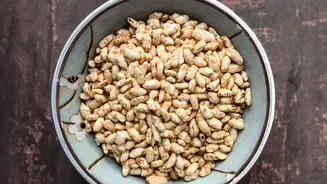
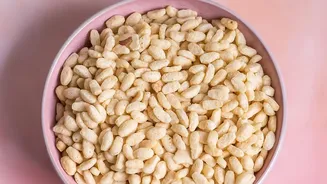
Puffed rice, known across India as 'murmura' or 'pori', is made by heating rice kernels under high pressure, causing them to expand. It's incredibly light and has been a staple for generations. Puffed quinoa is a newer entrant, created by gently toasting
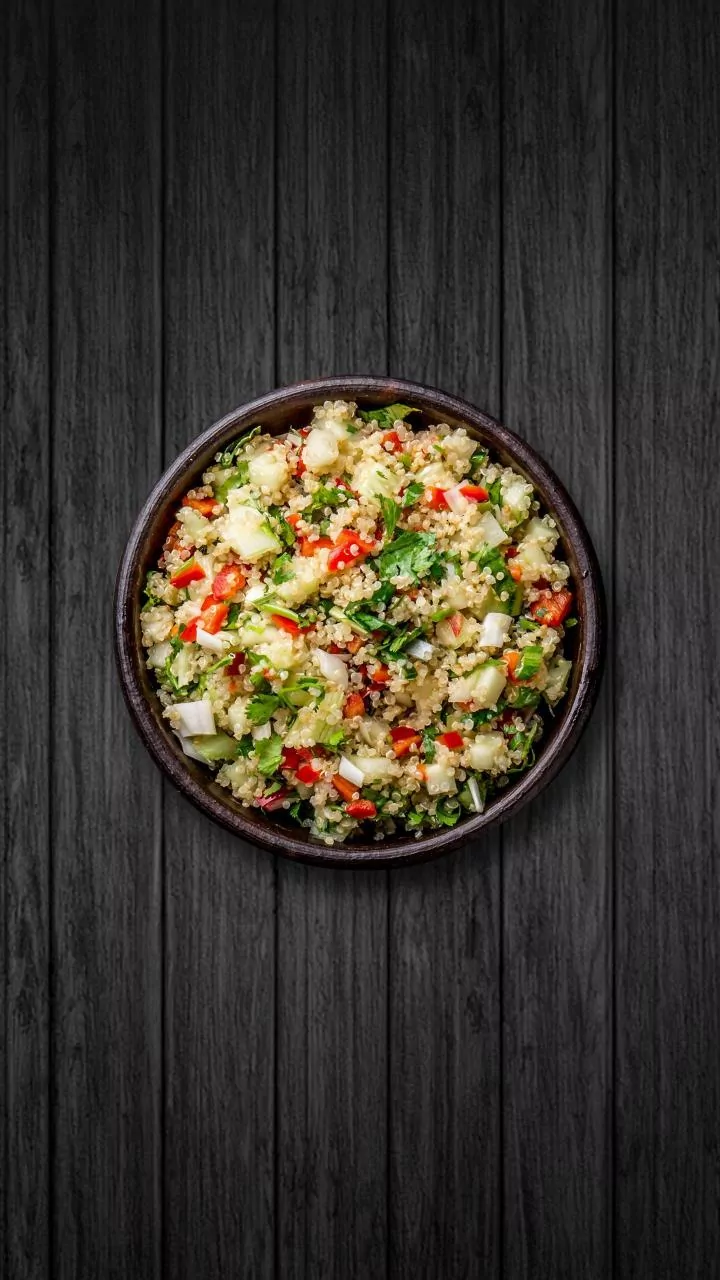
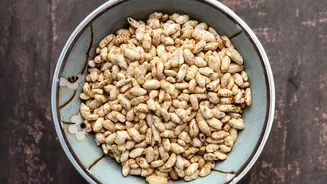
quinoa seeds until they pop like miniature popcorn. While both offer a satisfying crunch without any added oils or fats in their pure form, their nutritional foundations are fundamentally different. Rice is a grain, whereas quinoa is technically a seed from a plant related to spinach and chard, which gives it a distinct nutritional edge from the very start.
The Protein Advantage: A Clear Winner
The most significant difference lies in their protein content. Puffed quinoa is a nutritional powerhouse in this regard, offering roughly 10 to 14 grams of protein per 100 grams. More importantly, quinoa provides a 'complete protein', meaning it contains all nine essential amino acids your body needs for functions like muscle repair and growth. Puffed rice, by comparison, contains significantly less protein, typically around 6 to 7 grams per 100 grams, and it is not a complete protein. For anyone looking to boost their protein intake, especially at breakfast, puffed quinoa is the undeniable winner.
Fibre for Fullness and Gut Health
Fibre is crucial for digestive health, keeping you feeling full, and helping to manage blood sugar levels. Here again, puffed quinoa comes out on top. Depending on the brand, puffed quinoa can contain around 4 grams of fibre per 100g, and sometimes more. Puffed rice, having lost much of its outer bran layer during processing, offers very little fibre, often less than 2 grams per 100g. This difference means a bowl of puffed quinoa is more likely to keep you satisfied until your next meal, preventing the urge to snack, whereas puffed rice is digested more quickly.
Carbohydrates and The Energy Question
Both are predominantly carbohydrate-based foods, which is what makes them a great source of energy. Per 100 grams, puffed rice contains around 87 to 90 grams of carbs, while puffed quinoa has a lower count, typically around 70 grams. The key difference, however, is how the body processes these carbs. Puffed rice has a high glycemic index (GI), meaning it can cause a rapid spike in blood sugar. While cooked quinoa has a low-to-moderate GI, the puffing process can increase it. However, quinoa's higher protein and fibre content helps to slow down digestion, leading to a more gradual release of energy compared to the quick rush from puffed rice.
A Closer Look at Vitamins and Minerals
When you choose quinoa, you are getting more than just macros. It is naturally rich in essential micronutrients that are less abundant in rice. Puffed quinoa is a good source of minerals like magnesium, which is vital for energy and heart health, as well as iron and manganese. While some puffed rice cereals are fortified with vitamins and iron, plain, unfortified puffed rice has a much lower mineral profile. If you're aiming for nutrient density—getting the most nutritional bang for your calorie buck—puffed quinoa delivers more comprehensively.
The Verdict: Which Puff Should You Pick?
For most people, puffed quinoa is the nutritionally superior choice. Its high-quality protein, greater fibre content, and richer mineral profile make it ideal for a satiating breakfast or a nutrient-dense snack that supports sustained energy and muscle health. However, that doesn't mean puffed rice has no place. Being lower in calories by volume and very easy to digest, it can be a good option for a light snack, especially for those who need easily accessible carbs or are recovering from a stomach upset. It serves as a fantastic, airy base for snacks like bhel puri, where other ingredients add nutritional value.