

What Exactly Is Pazhanthanji?
Known by various names like Pazhaya Soru, Neeragaram, or Panta Bhat across different regions, Pazhanthanji is a simple dish born from frugality and wisdom. At its core, it is leftover cooked rice soaked in water, traditionally in an earthenware pot, and left to ferment
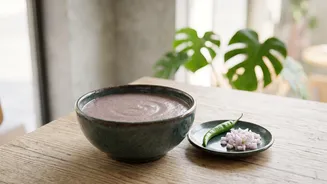
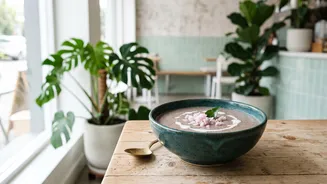
overnight at room temperature. By morning, what was once a simple leftover transforms into a tangy, nutrient-dense porridge. Historically, it was the breakfast of choice for farmers and labourers who required sustained energy and hydration to toil under the hot sun. Traditionally, it is consumed cool, often mixed with salt, buttermilk or curd, chopped shallots, and green chillies, creating a refreshing meal that is both filling and cooling.
The Science Behind the Tradition
The magic of Pazhanthanji lies in the natural fermentation process. As the rice soaks overnight, beneficial lactic acid bacteria, such as Lactobacillus, multiply. These are the same types of microorganisms celebrated as probiotics in foods like yogurt and kefir. Probiotics are essential for maintaining a healthy gut microbiome—the community of trillions of microbes in your digestive system. A balanced microbiome aids digestion, can help reduce issues like bloating and constipation, and is crucial for a strong immune system. The fermentation process also breaks down anti-nutritional factors like phytic acid present in rice. This breakdown makes essential minerals such as iron, potassium, and calcium more bioavailable, meaning your body can absorb them more easily.
A Nutritional Powerhouse
Beyond its probiotic benefits, Pazhanthanji offers a surprising nutritional boost. The fermentation process is reported to significantly increase the levels of several key nutrients. According to nutritional analyses and traditional knowledge, fermented rice contains higher concentrations of B vitamins, especially B6 and B12, which are vital for energy production. Some reports suggest the bioavailability of iron can increase dramatically, with one analysis noting a jump from around 3.4 mg to over 70 mg per 100 grams after a 12-hour fermentation. Furthermore, it is known to have a cooling effect on the body, making it an ideal meal in India's warm climate, helping to replenish fluids and combat fatigue.
The Modern Revival of an Ancient Food
Once considered a 'poor man's breakfast', Pazhanthanji is experiencing a remarkable resurgence in popularity. As health-conscious urban dwellers and fitness enthusiasts seek out natural, sustainable food choices, this traditional dish is being rediscovered. It fits perfectly into the global movement towards ancestral eating habits and recognising the power of fermented foods. In a market saturated with processed breakfast options, Pazhanthanji offers a simple, whole-food alternative that provides slow-release carbohydrates for sustained energy without feeling heavy, making it an excellent pre- or post-workout meal.
How to Prepare Pazhanthanji at Home
Making this gut-friendly food at home is incredibly simple. Start with leftover cooked rice from the previous night. Place the rice in a clay or glass pot—a clay pot is traditional and believed to enhance the fermentation process and cooling properties. Pour enough drinking water to completely submerge the rice. Cover the pot with a lid and let it sit at room temperature overnight, or for about 8 to 12 hours. The next morning, the rice will be softly fermented. You can gently mash the rice into the water to create a porridge-like consistency. Season with salt to taste. For a classic preparation, mix in some curd or buttermilk, finely chopped small onions (shallots), and a green chilli for a bit of spice.