



Treat Tender Herbs Like Flowers
Soft, tender-stemmed herbs like coriander, parsley, and mint are some of the quickest to wilt. The best way to keep them perky is to treat them like a bouquet of fresh flowers. Trim about an inch off the stems, then place the bunch in a jar with an inch or two
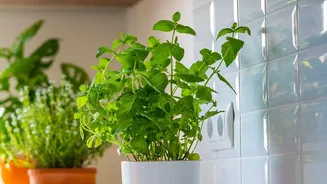
of water. Cover the leaves loosely with a plastic bag to create a humid environment and store it in the refrigerator. Remember to change the water every couple of days to keep it fresh. Basil is the main exception to this rule; it should be kept in water at room temperature, as the cold can cause its leaves to turn black.
Wrap Hardy Herbs for Longevity
Hardy, woody-stemmed herbs such as rosemary, thyme, oregano, and sage have different needs. These herbs are more prone to drying out than wilting. To preserve them, wash and thoroughly dry the sprigs. Then, wrap them in a slightly damp paper towel. The key is 'damp,' not 'wet,' as too much moisture can cause mould. Place the wrapped bundle inside a reusable bag or an airtight container and store it in your refrigerator's crisper drawer. This method provides just enough moisture to keep them fresh for up to two or three weeks.
Freeze for Long-Term Flavour
When you have a large surplus of herbs, freezing is your best friend. While frozen herbs won't work as a fresh garnish, they are perfect for adding to curries, soups, dals, and sauces. For an easy method, finely chop your herbs and pack them into an ice cube tray. You can then top them up with either water or oil. Olive oil works well for herbs like basil and oregano destined for Italian dishes. Once the cubes are frozen solid, transfer them to a labelled freezer bag. They can be dropped directly into your cooking for a burst of fresh flavour.
Dry Your Herbs for the Pantry
Drying is one of the oldest and easiest methods of preservation, ideal for robust herbs like rosemary, oregano, and thyme. You can simply tie small bundles of herbs together and hang them upside down in a warm, dry, and well-ventilated area away from direct sunlight. They are ready when the leaves are brittle and crumble easily. Alternatively, for a quicker method, you can lay the leaves on a baking sheet and dry them in an oven on its lowest temperature setting. Once completely dry, store the leaves in an airtight container.
Maximise the Life of Your Spices
The fragrant power of spices comes from their volatile oils, which degrade when exposed to their four main enemies: heat, light, air, and moisture. To keep your spices potent, avoid storing them on a rack near the stove or on a sunny windowsill. The best place for them is a cool, dark, and dry cabinet or drawer. Always ensure they are in clean, airtight containers, preferably glass, to protect them from humidity and oxygen. While ground spices are best used within a year, whole spices like peppercorns and cinnamon sticks can retain their flavour for several years if stored correctly.
Revive and Don't Waste
Even with the best intentions, herbs can sometimes start to look a little sad. If your herbs are slightly wilted but still smell fresh, don't throw them out. While they may have lost the crisp texture needed for a garnish, they are still packed with flavour and perfect for cooked dishes. Chop them up and add them to sauces, stocks, or marinades. As for spices that seem to have lost their punch, a quick toast in a dry pan for 30 seconds can often reawaken their aromatic oils, giving them a new lease on life before you use them in your recipe.