


A Season of Deficit
The 2026 southwest monsoon is set to conclude as an erratic and deficit season. According to the India Meteorological Department (IMD), the all-India monsoon deficit stood at 15% as of mid-September, with the season expected to end with below-average
rainfall. This was largely influenced by strengthening El Niño conditions, which typically suppress monsoon rainfall over India. The withdrawal is expected to begin around September 19, slightly later than the normal date of September 17. This deficit, particularly pronounced across the south peninsula, east, and northeast India, will have direct consequences for winter travel, influencing everything from snow depth in the Himalayas to water levels in southern reservoirs.
For the Mountain Lovers: A Cautious Outlook
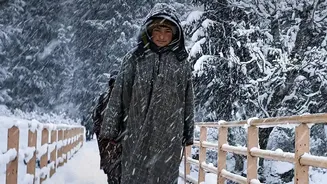
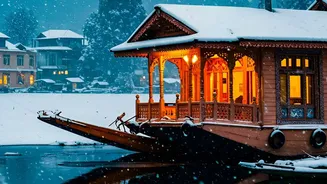
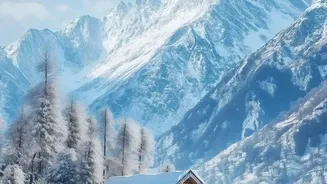
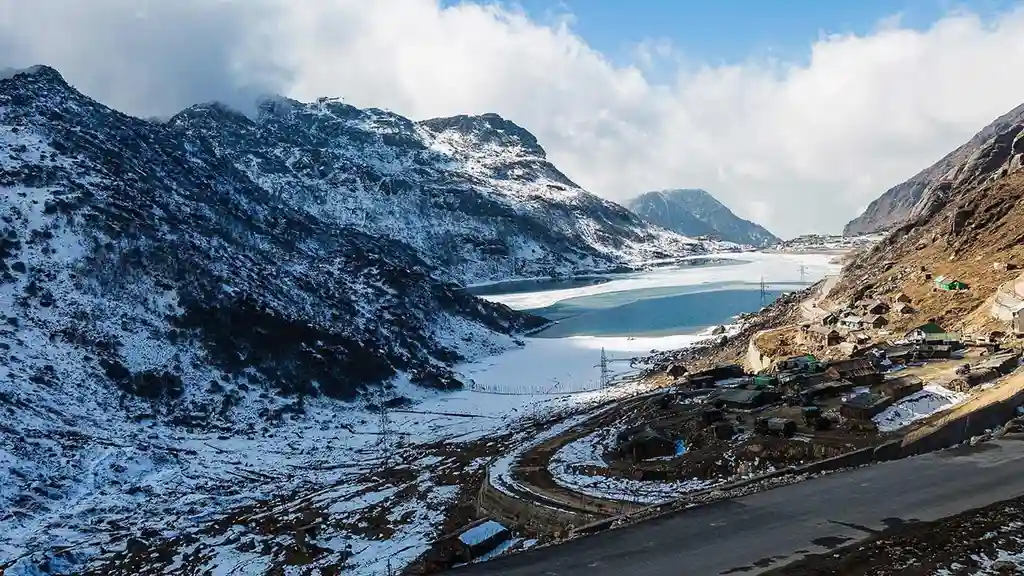
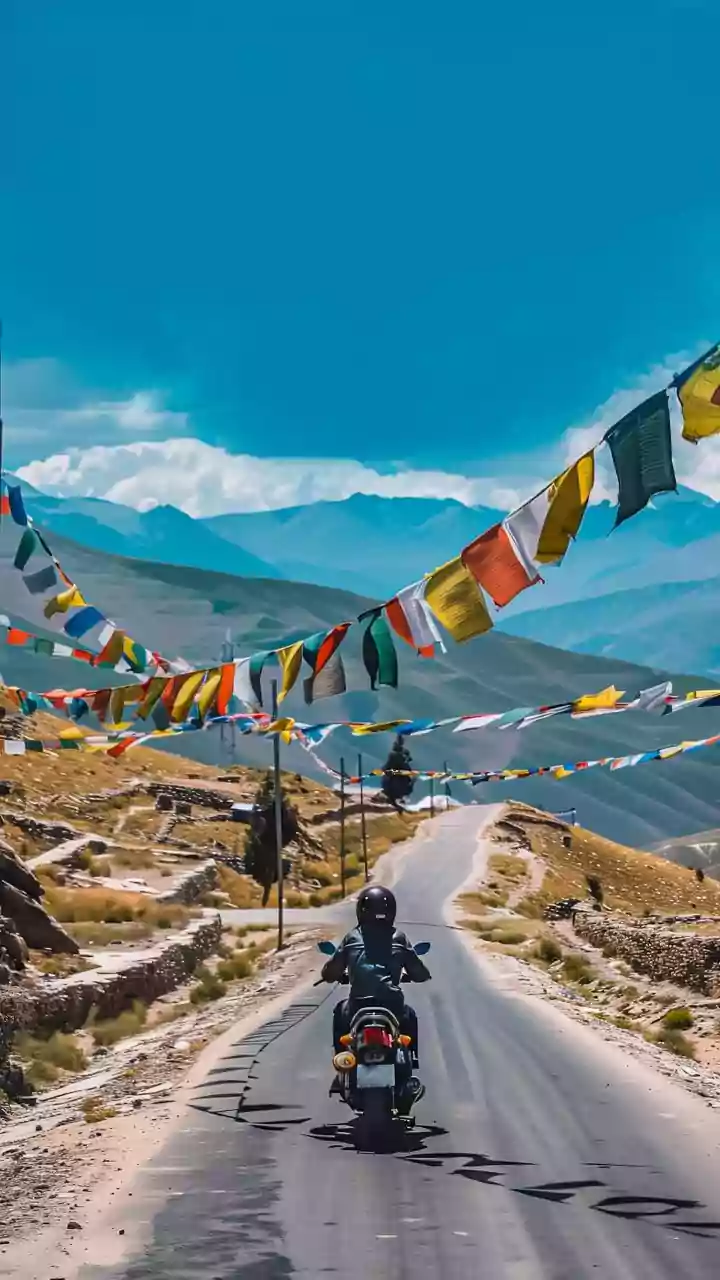
Winter in the Himalayas is synonymous with snow, but the outlook for 2026-27 is complex. A developing 'Super El Niño' is forecast, which could lead to a warmer winter across India. While some late monsoon showers were predicted for Jammu and Kashmir, Punjab, and Haryana in mid-September, the overall deficit trend could impact the base moisture needed for heavy winter snowfall. Scientists have warned that the Hindu Kush Himalaya region faced a drier monsoon, which doesn't eliminate disaster risk but might alter the nature of winter precipitation. Travelers hoping for deep powder in destinations like Gulmarg or Manali should monitor forecasts closely. While a warmer winter is anticipated, short, intense Western Disturbances can still bring significant snowfall, so last-minute planners might have an advantage in securing a true winter wonderland experience.
Southern India: Drier Landscapes and Lower Reservoirs
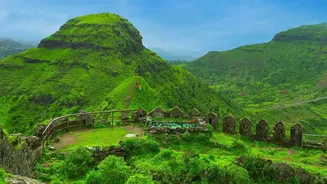
The south peninsula has seen the most significant rainfall deficit this monsoon, with states like Kerala and Karnataka heavily impacted. The deficit in the south was recorded at 28%, the highest in the country. For winter travellers, this has mixed implications. The famed backwaters of Kerala might have lower water levels than in years with a surplus monsoon. Waterfalls throughout the Western Ghats may be less dramatic. However, the upside is a lower probability of lingering post-monsoon rains disrupting travel plans in November and December. While the landscapes might be less intensely lush than after a bumper monsoon, the drier conditions could make exploring outdoor sites more predictable and accessible for tourists heading to Kerala, Tamil Nadu, and Karnataka.
Rajasthan and Central India: A Mixed Bag
Rajasthan also ended the season with a rainfall deficit. The monsoon is expected to withdraw from West Rajasthan around September 19, paving the way for the classic dry, sunny weather that defines its peak tourist season. While a deficit monsoon means the desert state won't be as unusually green as it is after a wet year, the core appeal of its forts, palaces, and desert camps remains unchanged. The withdrawal of the monsoon signals the start of prime travel season here. A low-pressure system over central India could keep rains active there for a while longer, but the overall trend points towards drier post-monsoon conditions, which is generally favourable for sightseeing and cultural tourism.
How to Plan Your Winter Trip
Given the El Niño forecast for a potentially warmer and drier winter, flexibility is key. For snow-seekers, this means waiting for more concrete snowfall forecasts before booking, or choosing destinations with high-altitude resorts that have a better chance of receiving snow even in a weaker winter. For those heading south or to Rajasthan, the weather is likely to be stable and pleasant, but the visual splendour tied to post-monsoon greenery and full water bodies might be more subdued. The deficit monsoon has led to lower reservoir levels across the country, a stark reminder of the season's impact. Travellers should consider booking accommodations with flexible cancellation policies and keep a close eye on regional weather updates as their travel dates approach. The conditions suggest that the classic winter sun destinations will be reliable, while snow-dependent plans require a more cautious and patient approach.