



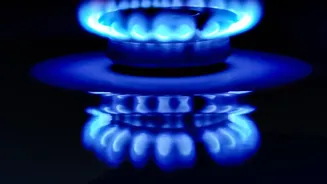
As temperatures drop, the kitchen becomes a warm, inviting hub. But the sizzle of your favourite winter dishes, especially when fried, can release a hidden hazard: smoke that significantly degrades your home's air quality. Here’s why it happens.
The Science of Cooking Smoke
When cooking
oil is heated, particularly past its 'smoke point', it begins to break down. This process releases a complex mixture of pollutants into your kitchen. The most concerning of these are fine particulate matter, known as PM2.5. These are microscopic particles so small they can bypass your body's natural defences and embed deep within your lungs. In addition to PM2.5, cooking smoke contains volatile organic compounds (VOCs) like formaldehyde and acrolein, as well as polycyclic aromatic hydrocarbons (PAHs). These compounds are known irritants and can pose long-term health risks. High-temperature cooking methods like frying, searing, and deep-frying generate the highest levels of these pollutants.
The Winter Amplification Effect
During colder months, we naturally seal our homes to keep the warmth in and the chill out. Windows and doors are kept firmly shut, and we rely on central heating. While this makes our living spaces cosy, it also creates a nearly airtight environment. Without proper ventilation, the pollutants generated from cooking have nowhere to go. They become trapped, accumulating over time and spreading from the kitchen to other rooms. Studies show that pollutant levels from cooking can be significantly higher in winter precisely because of these low ventilation rates. This means your daily cooking routine could be concentrating harmful particles inside your home to levels that are several times more polluted than the air outside.
Hidden Health Risks in Your Kitchen
The health effects of exposure to cooking fumes can range from immediate to long-term. Short-term exposure can cause irritation to the eyes, nose, and throat, as well as headaches and coughing. For individuals with pre-existing respiratory conditions like asthma, these pollutants can trigger more severe symptoms like wheezing and shortness of breath. Chronic, repeated exposure is more worrying. Research has linked long-term inhalation of cooking-related pollutants to an increased risk of serious health problems, including respiratory infections, cardiovascular issues, and even certain types of cancer.
Choose Your Cooking Oil Wisely
Not all oils are created equal, especially when it comes to high heat cooking. Every oil has a smoke point, the temperature at which it starts to burn and release harmful smoke. Using an oil with a low smoke point for high temperature frying is a recipe for a smoky kitchen and polluted air. For frying, searing, and stir frying, opt for oils with high smoke points. Refined avocado oil (up to 271°C), ghee (clarified butter), peanut oil, and canola oil are excellent choices that can withstand high heat before breaking down. Oils like extra virgin olive oil and unrefined coconut oil have lower smoke points and are better suited for lower temperature sautéing or as finishing oils.
Ventilation Is Your Best Defence
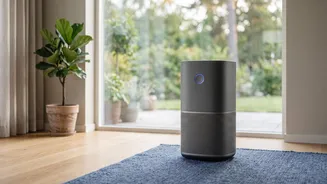
The single most effective way to combat cooking related air pollution is proper ventilation. If you have a range hood or chimney, use it every single time you cook—not just when you see smoke. For best results, cook on the back burners, as this is where exhaust fans are most effective at capturing fumes. If you don't have a range hood, you can still improve airflow. Even in winter, briefly opening a window or an exterior door can create cross ventilation, helping to clear pollutants quickly. Running a bathroom exhaust fan can also help pull polluted air out of your living space. For an extra layer of protection, consider using a high quality air purifier in or near your kitchen.
Adopt Smarter Cooking Habits
Beyond ventilation and oil choice, a few simple changes in your cooking technique can make a big difference. Whenever possible, cover pots and pans with a lid to trap grease and moisture. Avoid overheating your oil; start with a lower temperature and increase it gradually as needed. Finally, keep your kitchen clean. A build up of grease on your stovetop and other surfaces can re burn during cooking, releasing additional pollutants into the air. Regularly cleaning these surfaces removes a hidden source of indoor air pollution.