






The New Festive Aisle
The festive season in India, traditionally a period of peak consumption, is undergoing a significant transformation. Across the country, consumers are making more conscious choices, leading to a surge in demand for handcrafted and sustainable goods. A 2025
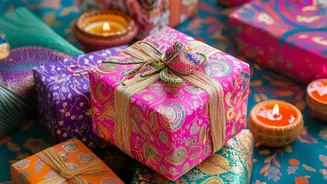
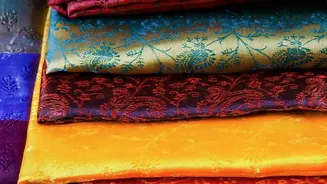
report highlighted that 78% of urban consumers are actively choosing eco-friendly options for their festive purchases. This is not just a niche trend; it's a mainstream movement. Instead of plastic decorations and generic gifts, shoppers are filling their carts with items like terracotta diyas, handwoven textiles, organic food hampers, and traditional brassware. This shift is reshaping what the festive aisle looks like in both local markets and major online retail platforms.
Why Conscious Choices Are Winning
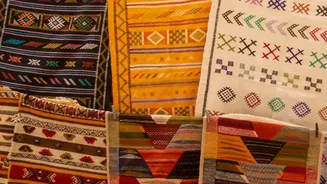
Several factors are driving this change. A primary driver is a growing environmental awareness among Indian consumers. Concerns about plastic waste and the carbon footprint of mass-produced goods have led many to seek out greener alternatives. Alongside this is a renewed appreciation for cultural heritage and authenticity. Handcrafted items, from Channapatna wooden toys to Ajrakh-printed fabrics, are seen not just as products, but as carriers of tradition and skill. A recent study noted that 66% of shoppers prefer brands that align with festive traditions, suggesting a desire for deeper meaning in their purchases. This movement represents a conscious move away from disposable items toward durable, meaningful possessions that tell a story.
An Economic Lifeline for Artisans
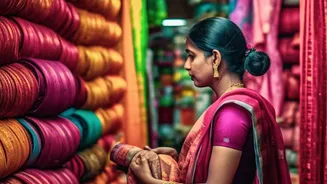
This trend provides a significant economic boost for India's millions of artisans, many of whom reside in rural areas. Festivals like Diwali have always been a crucial sales period, but the focused demand for authentic, handmade goods is now a vital lifeline, helping to preserve ancient craft forms. The shift allows artisans to connect with a wider urban market, often earning higher incomes by bypassing intermediaries through online platforms and government-supported craft fairs. This increased demand creates a positive feedback loop: it generates income, preserves cultural heritage, and provides consumers with unique, high-quality products. For many small-scale creators and local businesses, festive sales can account for a substantial portion of their annual income.
How Retail is Adapting
Retailers, both online and offline, are taking note and adapting their strategies. Major e-commerce platforms now feature dedicated storefronts for artisans and sustainable products, making it easier for consumers to find what they are looking for. Brands are also innovating with their product lines, offering everything from plantable stationery to eco-friendly packaging. Corporate gifting, a major component of festive spending, is also going green, with companies increasingly choosing ethically sourced and environmentally friendly hampers for their employees and clients. This commercial embrace indicates that sustainability is no longer just a buzzword but a core business consideration, driven by clear consumer demand. Even startups are finding success by focusing on stylish, sustainable, and ethically-made lifestyle products.