


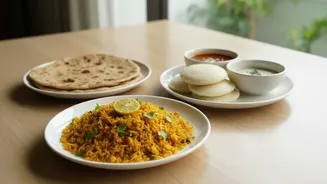
The Foundation: Why Dal Chawal Works
At its core, the combination of lentils (dal) and rice (chawal) is a masterclass in food synergy. Lentils are rich in protein but lack certain essential amino acids like methionine. Rice, on the other hand, contains those missing amino acids. When eaten
together, they form a complete protein, providing all the building blocks your body needs, similar to animal protein. This humble dish is also a good source of dietary fibre, which aids digestion and promotes gut health, along with vital nutrients like iron, folate, and magnesium. A standard serving is relatively low in calories but nutrient-dense, making it a healthy and filling meal.
Upgrade 1: Rethink Your Rice
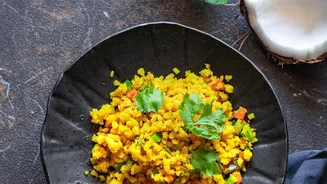
The simplest upgrade starts with the grain. While white rice is easily digestible, swapping it for whole grains can significantly boost the meal's nutritional profile. Brown rice, for instance, retains its bran layer, offering more fibre, magnesium, and vitamins. It can also help in managing blood sugar levels more effectively. For an even bigger nutrient boost, consider millets like foxtail, bajra, or jowar. Millets are naturally gluten-free, high in protein and fibre, and have a lower glycemic index compared to white rice, making them an excellent choice for sustained energy. Quinoa, another popular alternative, is also a complete protein and rich in antioxidants.
Upgrade 2: Diversify Your Dal
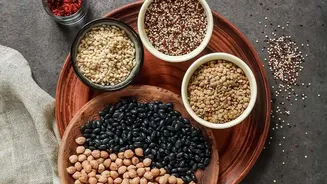
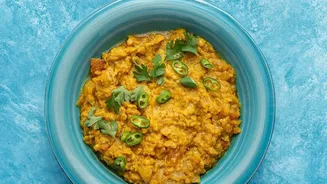
India boasts a stunning variety of lentils, and rotating through them is a simple way to get a wider range of nutrients. While toor (arhar) dal is a common favourite, each dal has unique benefits. Moong dal is light and easy to digest, making it great for gut health. Masoor dal (red lentils) is packed with iron, while chana dal (split chickpeas) is an excellent source of fibre and B-vitamins. Urad dal (black gram) is exceptionally high in protein. For an even healthier dal, don't just stick to one type. A mix of two or three dals not only creates a more complex flavour but also delivers a broader spectrum of nutrients. Soaking dals for a few hours before cooking can also improve nutrient absorption and reduce bloating.
Upgrade 3: The Smarter Tadka
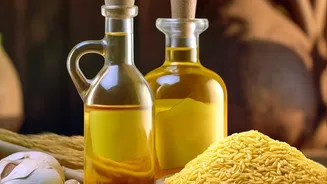
The tadka, or tempering, is where the magic happens, infusing the dal with aroma and flavour. This is also an opportunity to incorporate healthy fats and spices. While traditionally made with ghee, which has a high smoke point, modern nutrition also favours cold-pressed oils like mustard, groundnut, or sesame oil for their heart-healthy properties. The key is to heat the oil gently and avoid letting it smoke, which can create harmful compounds. The spices themselves are nutritional powerhouses. Turmeric is a potent anti-inflammatory, cumin aids digestion, and asafoetida (hing) helps prevent gas. Adding aromatics like garlic and onions can also help your body better absorb minerals like iron and zinc from the lentils.
Upgrade 4: Pack in More Vegetables and Superfoods
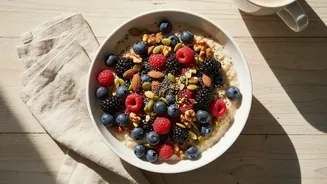
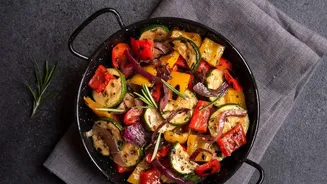
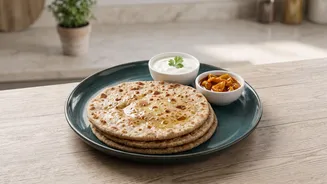
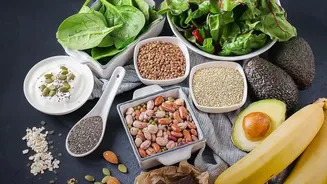
To turn your dal chawal into a truly complete meal, think beyond just the dal. Adding vegetables directly into the dal while it cooks is an easy way to boost its fibre, vitamin, and mineral content. Spinach, carrots, bottle gourd, and tomatoes are excellent additions that blend in seamlessly. For a modern twist, consider stirring in some superfoods. A spoonful of flaxseed or chia seeds can add omega-3 fatty acids and extra fibre. A garnish of roasted pumpkin seeds adds zinc and a satisfying crunch. To complete the plate, serve your dal chawal with a side of fresh salad, a bowl of curd (dahi), or a simple paneer bhurji for an extra dose of protein and probiotics.