




The Rise of 'Exercise Snacks'
The concept gaining traction in the wellness world is the 'exercise snack' — a short, intentional burst of physical activity lasting anywhere from a few minutes to fifteen. Unlike a traditional workout, these don't require a change of clothes or a trip
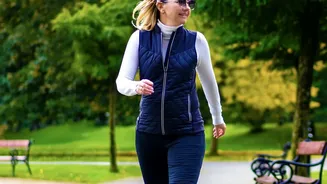
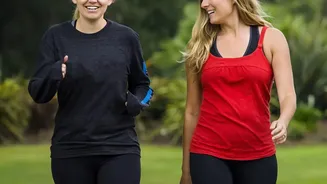
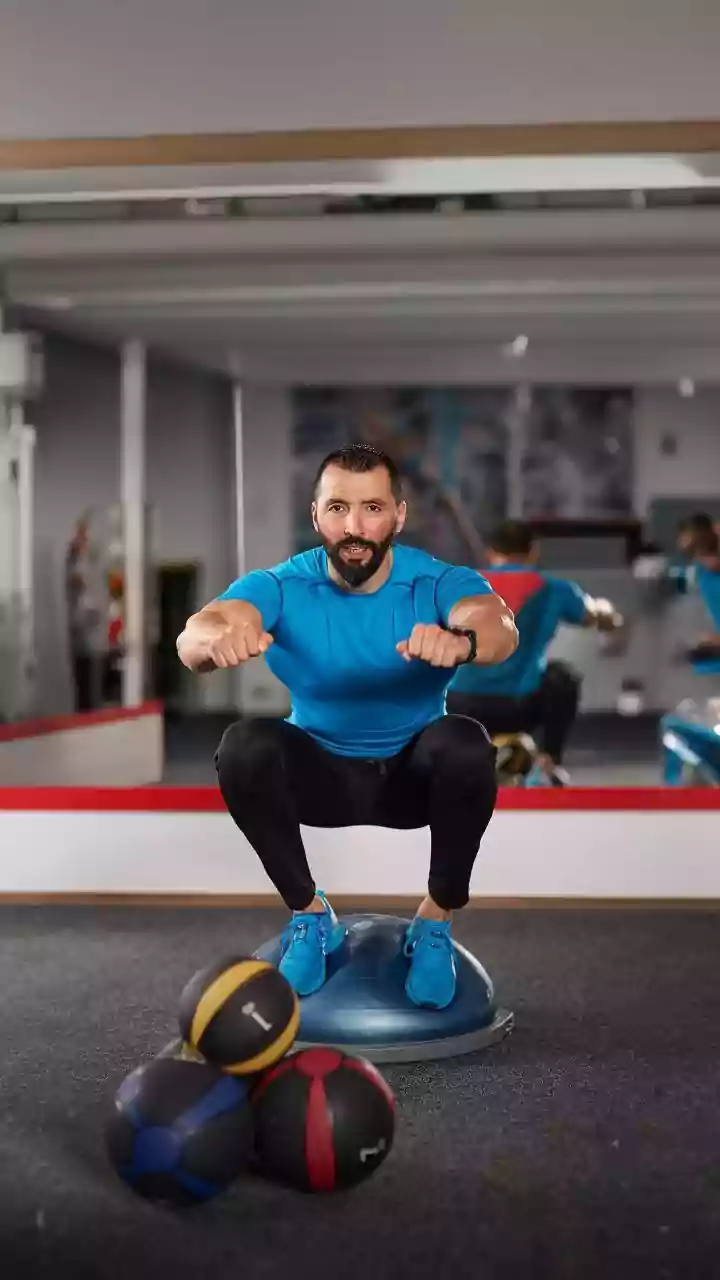
to the gym. Think of them as small, powerful interruptions to long periods of sitting. Examples include a brisk walk around the block after lunch, taking the stairs instead of the lift, or even doing a few bodyweight squats while waiting for your chai to brew. The idea is to break up sedentary time and accumulate movement throughout the day, making physical activity more accessible for everyone, regardless of their schedule.
The Science of a Short Walk
So, what exactly happens in your body during these short activity bouts? The primary benefits being studied are metabolic. When you eat, your blood sugar levels naturally rise. If you remain sedentary, these levels can spike higher and stay elevated for longer. However, even a short walk after a meal can have a significant impact. Active muscles need energy, and they pull glucose from your bloodstream to fuel their movement. This process helps moderate blood sugar spikes and keeps insulin levels more stable. Studies have shown that even a two-to-five-minute walk post-meal can begin to lower blood glucose. Research highlights that walking shortly after eating can be more effective at managing post-meal glucose than a longer, delayed walk.
Why Timing Is Everything
The timing of these 'snacks' appears crucial for reaping the metabolic rewards. Blood glucose levels are typically at their highest between 30 and 90 minutes after you finish a meal. By introducing light activity during this window, you use the circulating glucose for energy, preventing it from spiking too high. One study directly compared a 10-minute walk immediately after a glucose intake with a 30-minute walk that was delayed. The immediate 10-minute walk was significantly more effective at reducing the peak glucose level. This suggests that a quick stroll right after lunch or dinner could be a powerful strategy for better metabolic regulation.
Beyond Blood Sugar
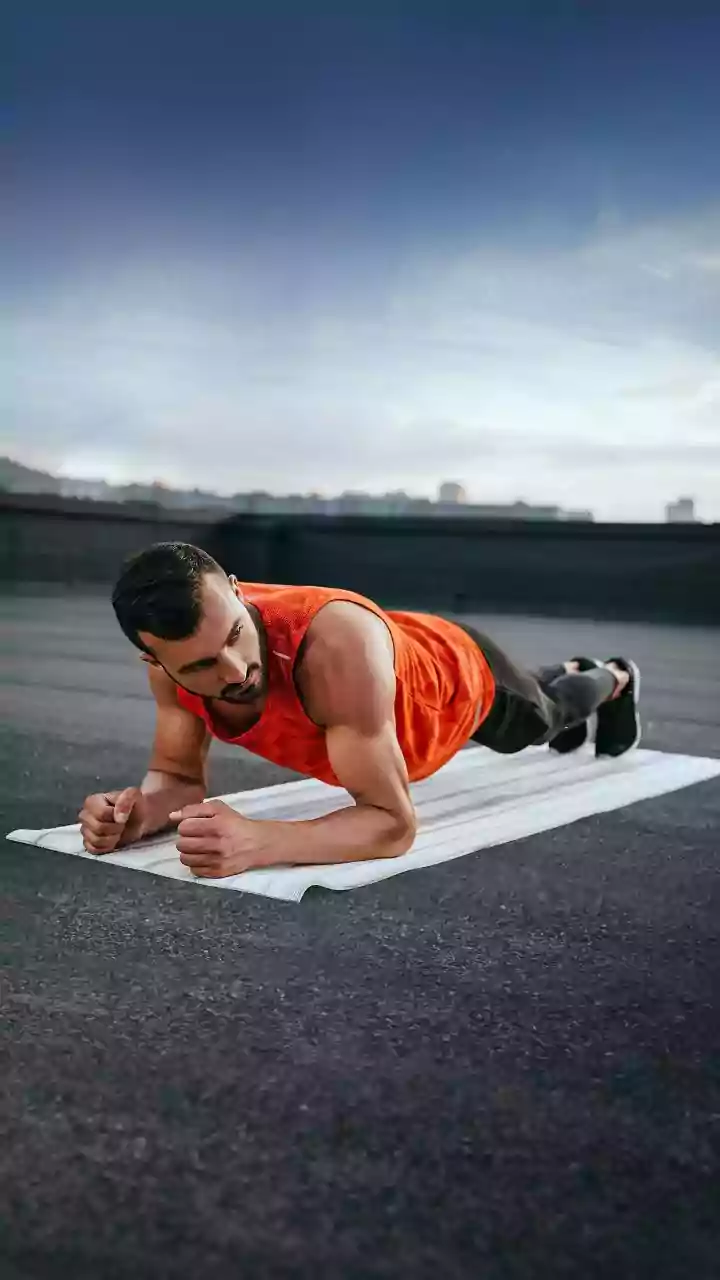
The benefits aren't limited to just blood sugar control. These short bursts of activity are being studied for a wide range of positive effects. Research indicates they can improve cardiovascular health, boost energy and focus, and even contribute to a better mood by releasing endorphins. Over time, the cumulative effect of these mini-workouts can contribute to your weekly activity goals, helping to lower the risks associated with a sedentary lifestyle, such as heart disease and certain cancers. Some studies have found that just three vigorous one-to-two-minute bursts per day can significantly lower the risk of cardiovascular-related death. Ultimately, the key is consistency over intensity; every little bit of movement adds up.
Fitting Activity Into Your Day
Incorporating exercise snacks doesn't require a major lifestyle overhaul. The goal is to find small opportunities for movement within your existing routine. Start by identifying your most sedentary periods. If you have a desk job, set a reminder to stand up and stretch or walk around every hour. Instead of scrolling on your phone during a break, use those five minutes for a quick walk. Consider making your post-meal walk a non-negotiable part of your day. Other simple ideas include taking phone calls while walking, parking farther away from the entrance at the market, always choosing the stairs, or doing a few jumping jacks during TV commercials. The best activity is one you'll actually do, so start small and build from there.