
Food is a powerful vessel for memory, connecting us to people, places, and traditions. For public figures like Sonia Gandhi, a simple recollection of a festive meal offers a rare glimpse into a private world shaped by love and cultural heritage.
A Festive Family Tradition
In a recent
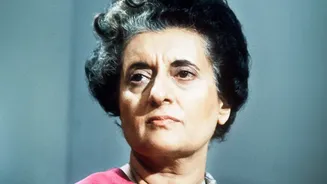
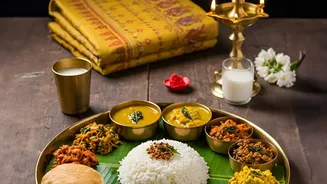
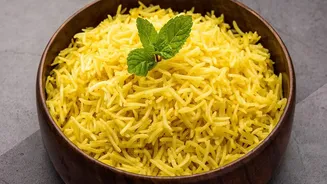
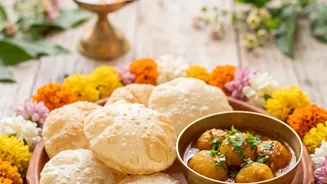
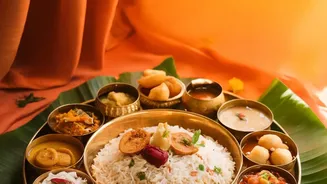
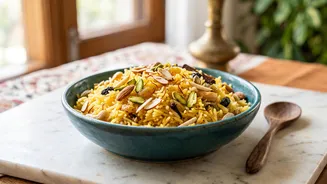
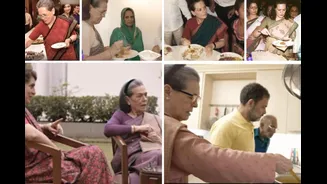
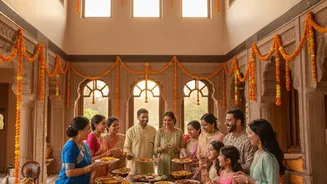
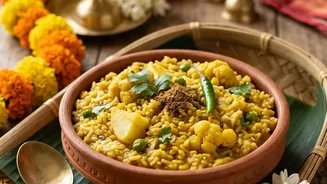
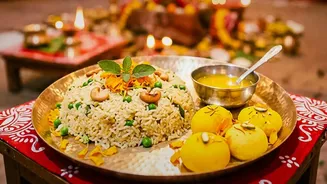
video, Sonia Gandhi reminisced about her family's long-standing traditions, particularly how festivals were celebrated in the household of her late mother-in-law, Indira Gandhi. She shared that on special occasions like Diwali, Kashmiri food was always on the menu, a practice rooted in the Nehru-Gandhi family's Kashmiri Pandit heritage. While she specifically mentioned a sweet rice, likely Modur Pulav, her fondness for other Kashmiri dishes like 'kofta' and 'haak' (a leafy green) is also well-documented, painting a picture of a household where Kashmiri cuisine was an integral part of celebrations.
The Taste of Kashmir: A Culinary Bridge
Sonia Gandhi's culinary journey into the heart of India was a gradual one. She has openly spoken about her initial apprehension towards the country's diverse spices, a world away from her native Italian palate. It was her husband, the late Rajiv Gandhi, who introduced her to the complexities and joys of Indian food. This journey also included learning to appreciate and cook Kashmiri dishes, a nod to her husband's heritage. In her memoir, 'Belonging: A Journey of Love', she details how the family's everyday meals were often prepared in the Kashmiri Pandit style, making dishes like mutton koftas a regular feature during celebrations like Nauroz, the Kashmiri New Year.
Gushtaba: The King of Kashmiri Feasts
While Sonia Gandhi has mentioned 'koftas' as a favourite, no discussion of festive Kashmiri food is complete without mentioning Gushtaba. Known as 'the king of the wazwan'—the traditional multi-course Kashmiri feast—Gushtaba is a dish reserved for the most special occasions. It consists of large, exquisitely soft meatballs made from finely pounded mutton, simmered in a delicate, creamy yoghurt-based gravy. The preparation is an art form, a test of a chef's skill, and its presentation at the end of a Wazwan signifies the grand finale of the feast. Refusing Gushtaba is traditionally seen as a great insult to the host, highlighting its immense cultural importance.
Wazwan, a Symbol of Hospitality
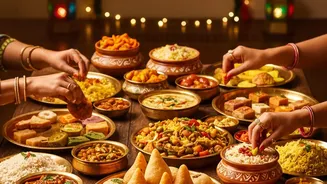
The Wazwan feast, of which Gushtaba is the crowning glory, is more than just a meal; it is a cornerstone of Kashmiri culture and hospitality. Believed to have origins tracing back to 15th century Persian and Central Asian influences, a Wazwan can consist of up to 36 different dishes, almost all of them meat based. The entire process is orchestrated by a 'Wasta Waza', or master chef, whose skills are passed down through generations. This elaborate culinary tradition is a celebration of community and generosity, making it central to weddings, festivals, and any significant gathering in Kashmir.