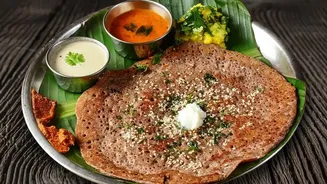



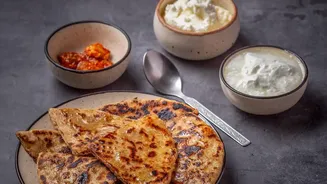
The dosa is more than just breakfast; it’s a crispy, golden-brown circle of comfort loved across India. But what if you could make this classic dish even better? Not by changing its soul, but by giving it a delicious, nutritious upgrade.
The Classic Dosa We All Love
There are few
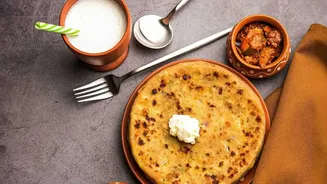
things as satisfying as a perfectly made dosa. Whether it’s a paper-thin roast or a soft, spongy uttapam, this fermented crepe made from rice and lentils is a culinary icon. The most common indulgence is the butter dosa, where a generous dollop of butter melts over its surface, creating an irresistible aroma and flavour. While delicious, a plain butter dosa is primarily a source of carbohydrates and fats. A typical homemade plain dosa offers only about 2 to 3 grams of dietary fibre. This is a small fraction of the daily recommended intake for adults in India, which is around 25 to 38 grams.
Why Fibre is Your Friend
Dietary fibre is a type of carbohydrate that the body can't digest. It plays a crucial role in maintaining our health. Soluble fibre, found in oats and beans, can help lower cholesterol and stabilise blood sugar levels. Insoluble fibre, found in whole grains and vegetables, adds bulk to stool, aiding digestion and preventing constipation. A high-fibre diet keeps you feeling full for longer, which can help with weight management. It also supports a healthy gut microbiome and is linked to a reduced risk of several chronic conditions, including heart disease and diabetes. Unfortunately, many urban diets, which often rely on refined grains, fall short of the daily fibre goal.
The Simple Vegetable Upgrade
This is where the magic happens. By simply adding a handful of finely chopped vegetables on top of your dosa as it cooks, you can dramatically increase its fibre content. Consider the numbers: a single cup of mixed vegetables like onions, tomatoes, and capsicum (bell peppers) can add an extra 4 to 5 grams of fibre to your meal. This simple addition effectively doubles the fibre content of your dosa. These vegetables are not just fibre powerhouses; they are also packed with essential vitamins, minerals, and antioxidants that support overall health. The vibrant colours of carrots (beta-carotene), tomatoes (lycopene), and capsicum (vitamin C) are indicators of their rich nutritional profiles.
Delicious and Healthy Topping Ideas
Moving beyond the simple onion uttapam can be a delightful culinary adventure. The possibilities for vegetable toppings are nearly endless, allowing you to customise your dosa based on your taste and what’s fresh in your kitchen. Here are a few ideas to get you started: - The Classic Mix: A finely chopped combination of onion, tomato, green chillies, and fresh coriander is a timeless choice that adds both flavour and texture. - Grated Goodness: Grated carrots, beetroot, and cabbage create a colourful and nutrient-dense topping. Sauté them lightly with a pinch of salt before adding them to the dosa for a softer texture. - Capsicum and Corn: The sweetness of corn paired with the slight crunch of finely diced capsicum makes for a delicious and kid-friendly topping. - Paneer and Spinach: For a protein and iron boost, try a topping of crumbled paneer mixed with chopped spinach and mild spices. - 'Chinese' Style: For a more adventurous flavour, you can top your dosa with a quick stir-fry of garlic, ginger, spring onions, capsicum, and a touch of soy sauce.
More Than Just a Topping
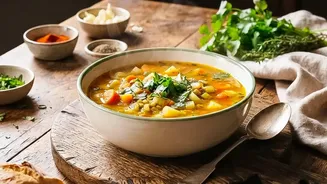
Boosting your dosa's health quotient doesn't have to stop at toppings. The batter itself offers room for improvement. Swapping some of the white rice for whole grains or millets like ragi, jowar, or foxtail millet can significantly increase the fibre and mineral content. These alternatives often have a lower glycemic index, which is beneficial for blood sugar management. Furthermore, always pair your dosa with a hearty, vegetable-laden sambar. Every ladle of sambar is an opportunity to add more lentils and vegetables like drumsticks, pumpkin, and carrots, further contributing to your daily fibre intake.