




Croatia's sun-drenched coast and historic cities are no secret. But with global fame comes overwhelming crowds and soaring prices. Before you book, consider if the country's most iconic spots still live up to the hype for today's traveller.
Dubrovnik's Old Town
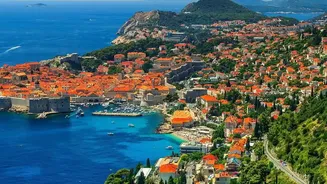
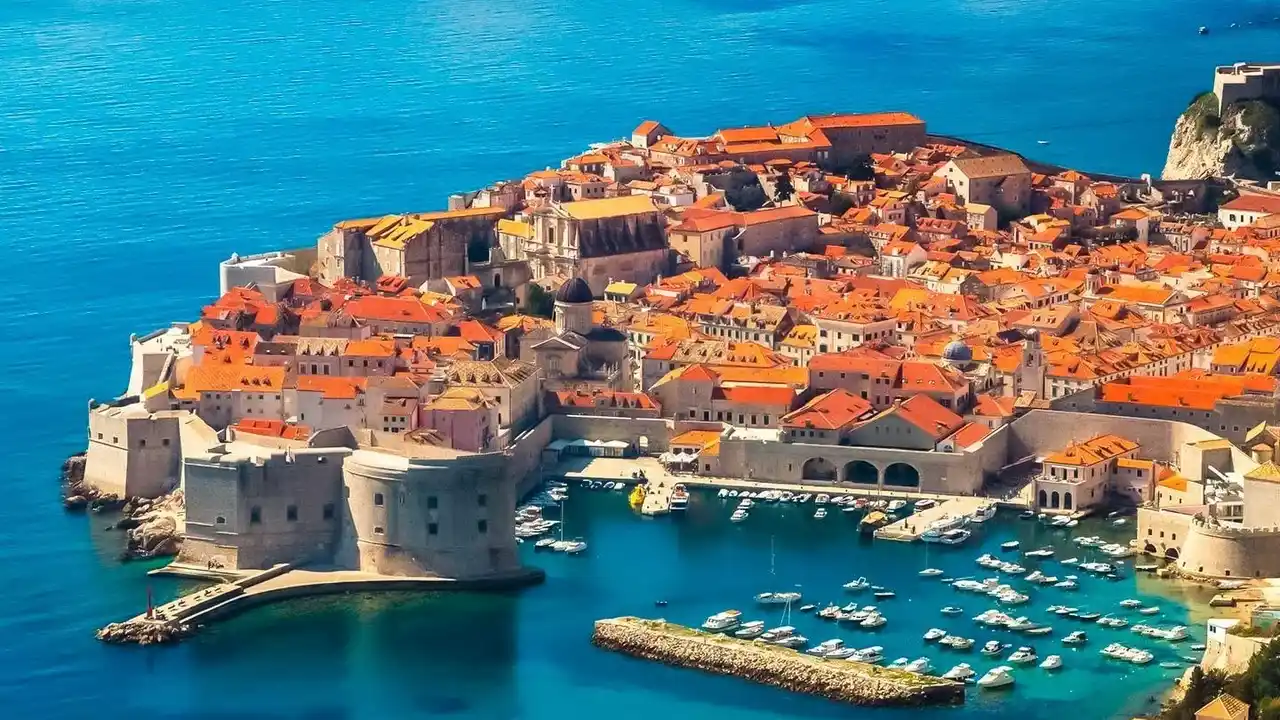
Dubrovnik is
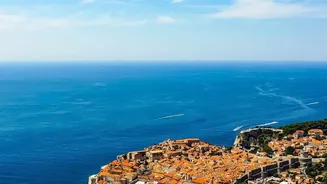
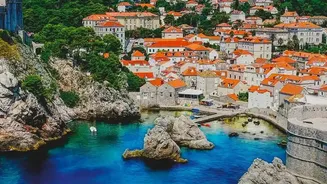
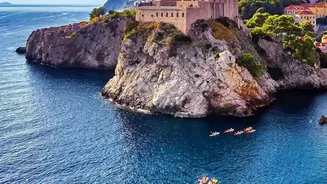
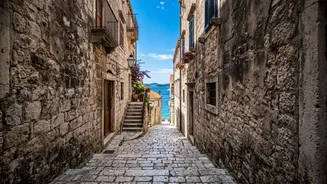
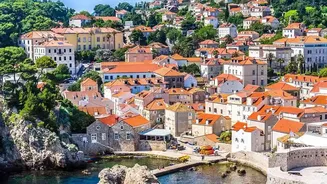
breathtaking, but its fame, amplified by its role in 'Game of Thrones', has led to massive crowds, especially when cruise ships are in port. The narrow limestone streets become almost impassable, and the experience of walking the famous city walls can feel more like waiting in a queue than a historic stroll. Prices for food, drinks, and souvenirs within the walls are often significantly inflated, catering almost exclusively to tourists and losing some of the authentic charm that made the city famous.
The Alternative: Šibenik or Korčula
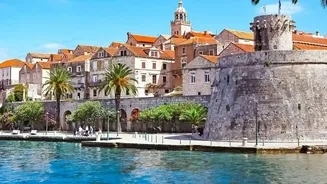
For a similar medieval-fortress-by-the-sea experience, head to Šibenik. It boasts two UNESCO World Heritage sites, a stunning cathedral, and a beautiful harbourfront, but with a fraction of Dubrovnik's crowds and a more local feel. Alternatively, the island of Korčula, often called 'Little Dubrovnik', offers a charming, fortified old town with beautiful beaches and local vineyards, providing a more relaxed and equally historic atmosphere.
Plitvice Lakes National Park
As Croatia's most famous national park, Plitvice's turquoise lakes and cascading waterfalls are undeniably stunning. However, that beauty comes at a price. During peak season, entrance fees can exceed €40 per person, and the park struggles with overtourism. The narrow wooden boardwalks become incredibly congested, making it difficult to enjoy the nature in peace or take photos without a crowd in the background. The experience can feel rushed and stressful, a stark contrast to the tranquil nature you came to see.
The Alternative: Krka or Risnjak National Park
Krka National Park, also famous for its waterfalls, offers a similar landscape and is more accessible from coastal cities like Split. While swimming is no longer permitted at the main falls (Skradinski Buk), the park is still gorgeous and often less crowded than Plitvice. For a true escape into nature, consider the lesser-known Risnjak National Park in Croatia's mountainous north, a haven for hikers with dense forests and alpine meadows.
Hvar Town's Party Scene
Hvar has built a reputation as Croatia's premier party island, attracting a young, glamorous crowd. This has driven prices for accommodation, food, and drinks to exorbitant levels, rivaling expensive European hotspots. For travellers not interested in a 24/7 party atmosphere, the town can feel overly commercialized and expensive. The party reputation often overshadows the island's other charms, like its lavender fields and historic sites.
The Alternative: Vis or Stari Grad (Hvar)
For a more authentic and tranquil island experience, the nearby island of Vis is a fantastic choice. With a history as a military base, it was closed to visitors for decades, leaving it less developed and unspoiled. Even on Hvar island itself, you can escape the party scene by staying in Stari Grad. It's one of Croatia's oldest towns, with a peaceful harbour, beautiful stone houses, and a much more relaxed vibe than the main town.
Split's Diocletian's Palace
The heart of Split is a living Roman palace, an architectural marvel that's free to enter and wander. However, its central location and fame mean its ancient courtyards and narrow passages can become extremely congested. The areas immediately surrounding the palace are dense with tourist-focused restaurants and souvenir shops, which can detract from the historical authenticity. During peak cruise-ship hours, the congestion can make exploring the historic core a frustrating experience.
The Alternative: Zadar or Trogir
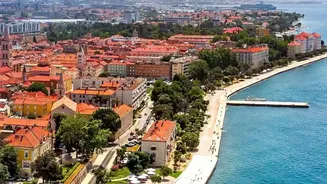
Zadar offers a compelling mix of ancient Roman ruins and a vibrant, modern city life without the same level of congestion as Split. Its famous waterfront features the unique Sea Organ and Greeting to the Sun installations, offering a different kind of seaside magic. For a perfectly preserved medieval town, visit Trogir, a UNESCO World Heritage site on a small island near Split that is compact, charming, and feels like a step back in time.
Rovinj's Tourist Traps
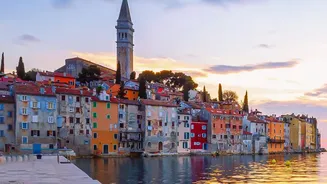
The picturesque Istrian town of Rovinj, with its colourful houses and hilltop church, is undeniably charming. However, its popularity has made its old town a hub for tourist traps, from souvenir shops selling generic trinkets to restaurants with high prices that don't reflect local quality. Accommodation costs in the old town can also be significantly higher than in other equally charming Istrian towns. While beautiful, the experience can feel geared more towards tourist wallets than authentic culture.
The Alternative: Pula or Inland Istria
For a dose of Istrian history without the kitsch, visit nearby Pula. It's home to a magnificent and well-preserved Roman amphitheater, one of the largest in the world. To truly escape the coastal crowds, explore the hilltop towns of inland Istria, like Buje or Motovun. These villages offer stunning panoramic views, access to local wineries and olive oil producers, and a much more authentic, slow-paced travel experience.