


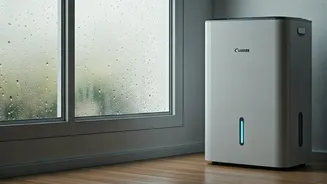



The Invisible Enemy in Your Home
The air inside our homes can be two to five times more polluted than the air outside. This isn't just about outdoor smog getting in; it's about what's already there. Cooking fumes, cleaning products, and even new furniture can release invisible troublemakers
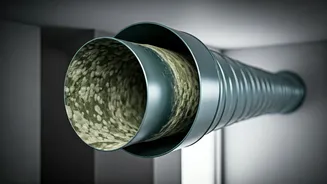
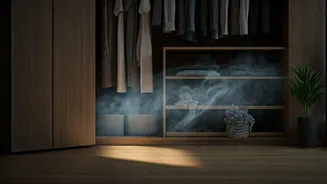
called Volatile Organic Compounds (VOCs). Add to that the dust, mould, and moisture that thrive in poorly ventilated spaces, and you have a recipe for health issues. These can range from immediate discomforts like headaches, fatigue, and allergy flare-ups to more serious long-term respiratory problems. In a small flat, these pollutants are more concentrated, making effective ventilation less of a luxury and more of a necessity for healthy living.
Why Opening a Window Isn't a Cure-All
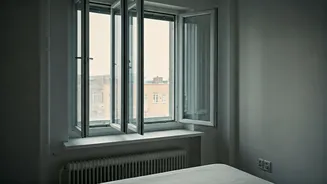
The simplest advice is always to “just open a window,” but in many Indian cities, this is complicated. Opening a window can invite a host of other problems: severe outdoor air pollution, traffic noise, security concerns, and a barrage of mosquitoes and other insects. During monsoon season, it means letting in high humidity, which can encourage mould growth and make the air feel even heavier. While windows are essential, relying on them alone often means trading one problem for another. True survival mode means finding smarter ways to manage airflow without compromising on safety, comfort, or cleanliness. This requires a more layered approach that goes beyond the basics.
Level 1: Low-Tech, High-Impact Hacks
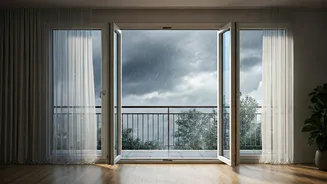
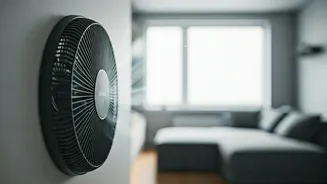
The best solutions are often the simplest. Start by mastering cross-ventilation. This means opening windows or doors on opposite sides of your flat for 15-30 minutes, ideally in the early morning when outdoor pollution is lower. This creates a powerful airflow that flushes out stale air quickly. Next, learn to love your exhaust fans. They are non-negotiable in kitchens and bathrooms, the primary sources of indoor moisture and pollutants. Run them during and for 15 minutes after cooking or showering to expel humidity and odours directly outside. Finally, declutter your space. Clutter traps dust and obstructs airflow, so keeping your home tidy is a surprisingly effective ventilation tool.
Level 2: Strategic and Tactical Upgrades
When basic hacks aren't enough, it's time for some clever upgrades. Placing a box fan facing out of one window can powerfully expel indoor air, drawing fresh air in from another opening across the room. You can also enhance airflow between rooms by simply keeping interior doors open. Consider adding indoor plants known for their air-purifying qualities, like snake plants or peace lilies. While they won't single-handedly solve a major air quality issue, they act as natural, supplementary filters that absorb some toxins and release oxygen. Also, switching to lighter, breathable fabrics like cotton for curtains and upholstery can help, as heavy drapes can block airflow and trap dust.
Level 3: Calling in the Tech Arsenal
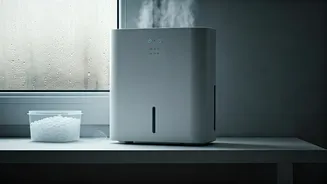
For the ultimate defence, technology is your best friend. A high-quality air purifier with a HEPA filter is a game-changer, capturing tiny particulate matter, allergens, and even some viruses. It's crucial to understand that purifiers clean the air in a room but do not introduce fresh air or reduce carbon dioxide. Therefore, they are best used in combination with ventilation, not as a replacement. In humid climates, a dehumidifier is essential. By keeping humidity levels between 30-50%, it inhibits the growth of mould and dust mites, which thrive in damp conditions. Combining an air purifier to clean the air with a dehumidifier to control moisture creates a powerful duo for a healthier indoor environment.