




The Freshness of Fruits
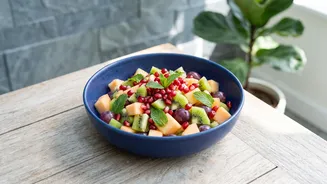
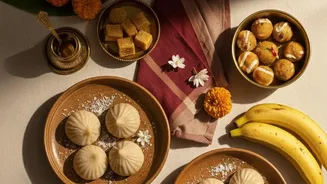
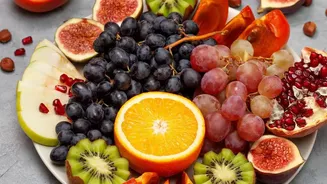
Fruits are a cornerstone of the Navratri fast, offering natural sugars for a quick energy boost, essential vitamins, and much-needed hydration. There are generally no restrictions on the types of fruits you can consume. Popular choices like bananas, apples,
pomegranates, and papayas are excellent for maintaining energy levels. You can enjoy them whole as a simple snack between meals, or get creative by making a fruit chaat seasoned with rock salt (sendha namak) and black pepper. Another great option is to blend them into smoothies or milkshakes, which can be both filling and refreshing. Starting your day with a bowl of mixed fruits or a glass of fresh juice can help you feel revitalised and ready for the day ahead.
The Goodness of Dairy
Dairy products like milk, yogurt (curd), paneer, and buttermilk are highly recommended during Navratri fasting. They are considered sattvic (pure) and provide high-quality protein and calcium, which help in maintaining steady energy levels and preventing fatigue. Yogurt is particularly beneficial for its probiotics, which support digestive health. You can incorporate dairy in numerous ways: a simple glass of milk, a bowl of curd with fruits, or paneer sautéed with mild spices. Dishes like aloo ki kadhi, which uses yogurt as a base, or vrat-friendly paneer rolls offer more substantial meal options. Using ghee for cooking is also encouraged as it is considered pure and is easy on the digestive system.
The Power of Nuts and Dry Fruits
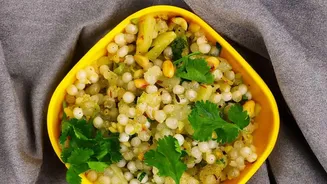
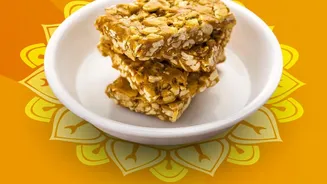
Nuts and dry fruits are nutritional powerhouses, perfect for keeping hunger pangs at bay while fasting. Almonds, walnuts, cashews, and peanuts are rich in healthy fats, protein, and minerals that provide sustained energy. A small handful of roasted nuts or makhana (fox nuts) makes for an excellent, nutrient-dense snack. You can also add them to various dishes for extra crunch and nutrition. For instance, incorporating peanuts into sabudana khichdi adds protein and texture, while walnuts can be blended into a banana lassi for a creamy, energy-boosting drink. Dry fruits like dates and raisins offer instant vitality due to their natural sugars and can be used to sweeten desserts like kheer.
Wholesome Fasting Grains
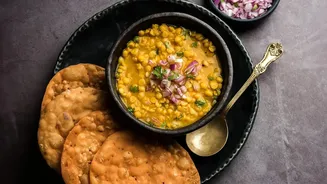
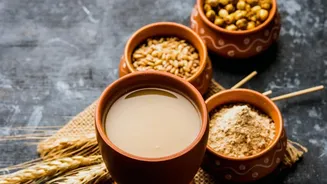
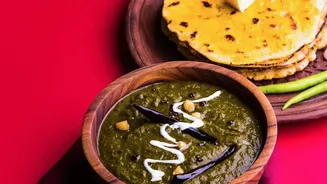
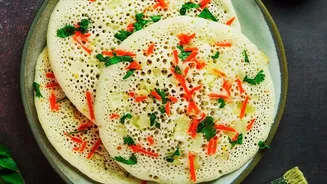
While regular grains like wheat and rice are avoided, Navratri fasting allows for the consumption of several nutritious pseudo-grains and millets. These include buckwheat flour (kuttu ka atta), water chestnut flour (singhare ka atta), amaranth flour (rajgira ka atta), and barnyard millet (sama ke chawal). These flours are gluten-free and packed with fibre, which aids digestion and keeps you feeling full. You can use them to make a variety of dishes like rotis, puris, cheelas (pancakes), and even dosas. Sama ke chawal can be used as a substitute for rice to prepare khichdi or pulao, providing a hearty and satisfying meal.
Creating Balanced Vrat Meals
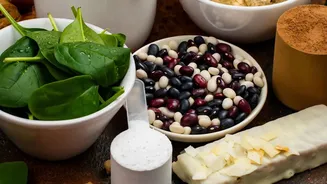
The key to a healthy Navratri fast is to combine these food groups into balanced meals. Instead of consuming one or two large meals, it's better to eat smaller, more frequent portions throughout the day to maintain stable energy levels. For breakfast, you could have a fruit smoothie with a handful of soaked almonds. Lunch could be a kuttu ki roti with a side of pumpkin sabzi and a bowl of curd. For an evening snack, roasted makhana or a small bowl of fruit chaat works well. A fulfilling dinner could be sabudana khichdi or sama rice pulao with a side of potato curry. Remember to stay well-hydrated by drinking plenty of water, coconut water, or buttermilk.