




The New Rail-to-Wilderness Connection
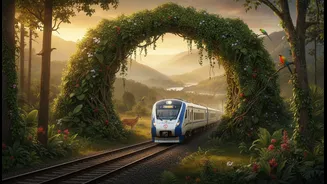
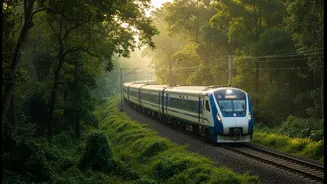
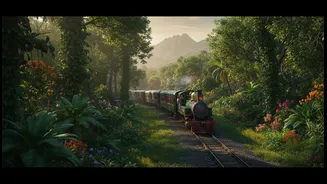
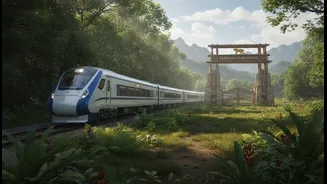
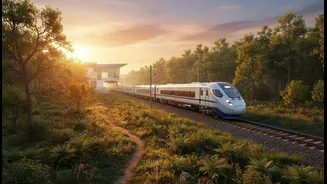
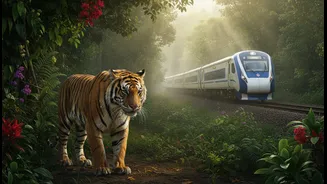
The hum of the Vande Bharat Express is becoming the new soundtrack for weekend getaways, and increasingly, those destinations are India's famed national parks. These semi-high-speed trains have significantly cut down travel time, making wildlife holidays
more accessible and appealing for many. The key insight is not that the trains go directly into the parks—they don't—but that they connect to nearby railway stations, turning what was once a multi-day, arduous journey into a comfortable overnight or day-long trip. From these railheads, a short road journey of a few hours is all that separates a traveller from the gates of iconic parks. This development benefits not just tourists but also signals a shift in domestic travel patterns.
Gateways to India's Natural Treasures
Several Vande Bharat routes now serve as practical gateways to major wildlife reserves. For instance, travellers can take a train to Mysuru, which is only about an 80-kilometre, two-hour drive from the rich biodiversity of Bandipur National Park. Similarly, the route to Guwahati opens up access to the UNESCO World Heritage Site of Kaziranga National Park, famed for its one-horned rhinoceroses, after a four-to-five-hour road trip. Other notable connections include the Sabarmati-Veraval service for Gir National Park, the only home of the Asiatic lion, and routes with stops at Sawai Madhopur, just minutes from the tiger haven of Ranthambore National Park. Even Jim Corbett National Park is more accessible via the train to Dehradun.
More Than Just Speed and Comfort
The appeal of Vande Bharat extends beyond just speed. These trains offer a higher level of comfort, with amenities like panoramic windows, Wi-Fi, and modern seating, which elevates the entire travel experience. For many, this offers a compelling alternative to long road trips, which can be exhausting, or short-haul flights, which come with their own hassles and a higher carbon footprint. By making train travel a more attractive option, the Vande Bharat network is encouraging a more sustainable mode of transport for tourism. This shift aligns with a growing consciousness among travellers to make more environmentally friendly choices without sacrificing comfort or convenience.
A Catalyst for Local Economies
Improved connectivity is a powerful engine for economic growth, and the regions surrounding these national parks are beginning to see the benefits. An influx of tourists, facilitated by easier rail access, translates into increased business for local hotels, restaurants, safari operators, guides, and transport providers. This can create a positive feedback loop: as tourism grows, there is a greater incentive for local communities and authorities to invest in conservation efforts, protecting the very assets that draw visitors. The Vande Bharat network, therefore, isn't just a piece of transport infrastructure; it's a tool for regional economic development and can be a pillar for sustainable tourism models.
Balancing Access with Conservation
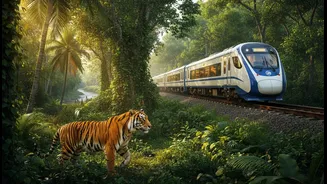
However, the primary lesson from this growing trend is the critical need for balance. Increased access brings the risk of over-tourism, which can strain local resources and negatively impact fragile ecosystems. While the trains bring people closer, the responsibility for managing the “last mile” infrastructure and visitor numbers falls on park authorities and local governments. Furthermore, expanding rail lines through sensitive areas presents its own challenges. Indian Railways has been implementing measures like AI-based alert systems and building wildlife corridors to mitigate animal-train collisions, particularly in elephant and tiger habitats. The success of Vande Bharat-linked tourism will ultimately depend on how well this balance between accessibility and conservation is managed, ensuring that we can enjoy our natural heritage without endangering it.