





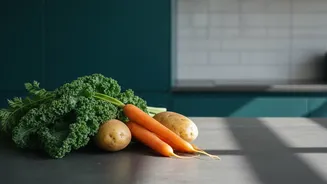

The Great 'Per-Kilo' Illusion
We’ve all been trained to look for the price per kilogram as a measure of value. It seems like a straightforward way to compare products. However, this simple metric overlooks a crucial factor: waste. The price you pay is for the total weight of the item,
often called the 'As Purchased' (AP) weight. This includes peels, seeds, thick stalks, and excess leaves — parts you’ll likely trim away and discard. The real measure of value is the 'Edible Portion' (EP) or usable weight. When a significant portion of what you buy is inedible, the cost of the food that ends up on your plate is much higher than the per-kilo price suggests. Understanding this difference is the first step to becoming a savvier shopper and making your grocery budget stretch further.
Common Culprits in Your Shopping Bag
Certain fruits and vegetables are notorious for having a large gap between their purchased weight and their edible weight. Pomegranate is a classic example; its heavy, inedible rind and internal membranes can account for a significant portion of its weight. Green peas in the pod are another; you're paying for the pods, which are usually thrown away. In India, vegetables like cauliflower and broccoli often come with thick, heavy stalks and large leaves that inflate the weight. According to one analysis, cauliflower can have a wastage of around 18%, while mint leaves can have wastage as high as 56%. Even something as basic as a potato loses about 15% of its weight after peeling. When you buy these items, a substantial part of your money is going towards compost rather than your meal.
How to Calculate the 'True Cost'
Calculating the true cost per kilo isn't complicated and empowers you to make smarter choices. The formula is simple: True Cost = Total Price Paid ÷ Edible Weight. For example, imagine you buy one kilogram of green peas in their pods for ₹80. After shelling, you are left with only 500 grams of edible peas. To find the true cost per kilo, you divide the price (₹80) by the edible weight in kilograms (0.5 kg). Your true cost for those peas is actually ₹160 per kilo. Now, compare that to a vendor selling pre-shelled peas for ₹140 per kilo. What initially seemed more expensive is, in fact, the better deal. You don’t need a calculator for every purchase, but keeping this concept in mind helps you mentally adjust the value of different items.
Beyond Price: Factoring in Time and Effort
Cost isn't just about money; it's also about your time and effort. Shelling a kilo of peas, peeling and dicing a large pumpkin, or de-seeding pomegranates takes time. Sometimes, paying a little extra for pre-cut or pre-prepped produce can be worth it, especially on a busy weeknight. These convenience items often have a higher sticker price, but because there is zero wastage, their true cost might be surprisingly competitive. For example, buying peeled garlic cloves might seem like a luxury. But when you factor in the weight of the papery skins you discard from whole garlic pods (which can be up to 30%) and the time spent peeling each clove, the pre-peeled option can be a sensible choice. It’s a trade-off between money and convenience that every household can decide for itself.
Tips for Smarter Grocery Shopping
Applying this knowledge doesn't mean you have to overthink every purchase. Start by being mindful. When you see a price, take a moment to estimate how much of the item is actually usable. Learn the typical yields of your most-purchased vegetables. For items with significant waste, check if a pre-prepped version is available and compare its true cost. Consider buying some items frozen, like green peas, which offer 100% edible content and can be more economical. Also, think about using the 'scraps.' Cauliflower stems can be chopped and cooked, and many vegetable peels can be used to make a nutritious stock, getting you more value from what you've already paid for.