


More Than Just a Backdrop
The shift from minimalist runways to full-blown theatrical productions is more than just a passing trend; it's a strategic evolution in fashion storytelling. In an age dominated by social media, a show's set must be as compelling and shareable as the clothes
themselves. These elaborate environments are designed to create a powerful first impression, establishing the mood and theme of the collection before a single model even appears. By building a complete world, designers can provide crucial context, helping the audience understand the story, inspiration, and emotion woven into the fabric of each garment. This investment in world-building turns a fleeting fashion moment into a lasting cultural statement, ensuring the collection is not just seen, but felt and remembered.
Chanel's Fairytale Fantasies
Chanel has long been a master of the grand spectacle, and the Fall/Winter 2026 couture show was no exception. Creative director Matthieu Blazy transformed the Grand Palais into a whimsical storybook landscape for his collection titled “Gaby and the Beanstalk.” Inspired by a book of fairytales from Gabrielle Chanel's own library, the set featured oversized stalks erupting from the ground, creating a magical garden setting. The collection was a direct conversation with this environment, with models carrying minaudières shaped like sleeping bears and wearing shoes with heels resembling pea pods or golden eggs. This literal and figurative world-building, referencing tales from 'Jack and the Beanstalk' to 'The Wizard of Oz', allowed the clothes themselves to become characters in a larger, enchanting narrative.
Dior's Sculptural Dialogue
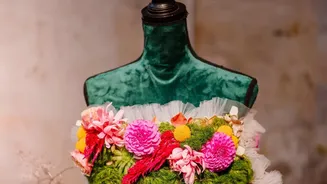
At Dior, creative director Jonathan Anderson took a more artistic, yet equally immersive, approach for his Fall 2026 couture outing. The show, held in the gardens of the Musée Rodin, was conceived as a response to the work of American sculptor Lynda Benglis. The connection was profound: just as Benglis transforms two-dimensional materials into three-dimensional sculptures through knotting and folding, so too does couture give fabric its sculptural form on the body. This dialogue between art and fashion was made manifest in the collection's textural wonderland of pleats, fringe, and hand-sculpted floral details that echoed Benglis's own creations. By grounding the collection in a specific artistic conversation, Dior created a sense of place that was less about a physical location and more about a shared creative mind space.
Schiaparelli's Surrealist Stage
For Schiaparelli, the runway is a stage for surrealist exploration. Daniel Roseberry kicked off the Fall 2026 couture week with a collection ominously titled “The Abyss” or “The Call of the Void.” Held at the Petit Palais, the show’s power came from its focused, almost unnerving atmosphere. A mirrored runway created a disorienting sense of space, while a recorded soliloquy from Roseberry played overhead, speaking of surrendering to the unknown. This minimalist yet psychologically dense setting perfectly complemented the collection's otherworldly designs, which included backlit breastplates and dresses with built-in lighting. Here, the sense of place was an internal one—a leap into the void of the creative process, making the audience feel as if they were witnessing not just a fashion show, but an act of artistic reckoning.
Crafted for the Digital Age
While these sets create an unforgettable experience for the few hundred people in the room, their true reach is global. In today's digital landscape, the show space is a content-creation engine. Every detail, from the grandest gesture to the smallest prop, is designed to be captured and shared across platforms like Instagram and TikTok. This allows brands to control their narrative and share their vision directly with millions of followers worldwide, bypassing traditional media gatekeepers. Behind-the-scenes content of the set design builds anticipation, while influencer collaborations amplify the show's reach. The immersive set is no longer just a backdrop for the clothes; it's a vital tool for building a global community and ensuring the collection's place in the wider cultural conversation.