


A Market Reaches Its Tipping Point
The change wasn't gradual; it was a definitive milestone. In August 2026, sales data revealed that the combined market share of Compressed Natural Gas (CNG), Battery Electric Vehicles (EVs), and hybrid cars reached 42%, narrowly surpassing petrol cars,
which fell to a share of 41%. This marked the first time in Indian automotive history that the throne of petrol was successfully challenged. This transition is not driven by a single alternative but by a multi-pronged shift in technology, cost, and consumer preference, signaling that the era of petrol's undisputed dominance is officially over.
The Undeniable Pull of CNG
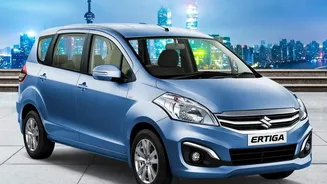
While electric vehicles often grab the headlines, the quiet workhorse of this revolution is CNG. Accounting for a record 25% of all passenger vehicle sales in August 2026, CNG is the single biggest driver of the shift away from petrol. Led by Maruti Suzuki, which commands nearly 70% of the CNG market, factory-fitted CNG models are now available across a wide range of cars, from hatchbacks to SUVs. The primary driver is economics. With petrol prices remaining high, the lower running cost of CNG—often less than half that of petrol per kilometre—presents a compelling case for cost-conscious buyers, particularly for city driving. This has made CNG the go-to choice for buyers seeking immediate fuel savings without the range anxiety or higher upfront cost of EVs.
The Electric Revolution Gains Serious Speed
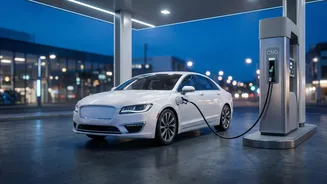
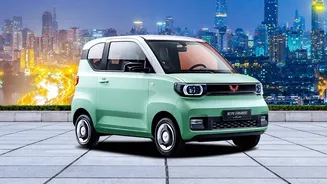
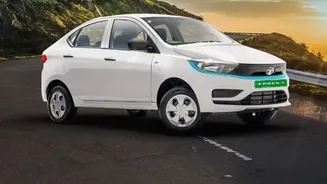
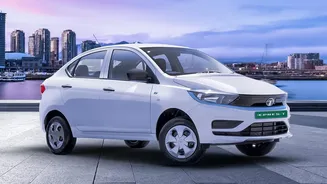
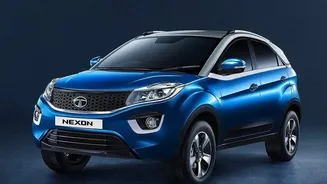
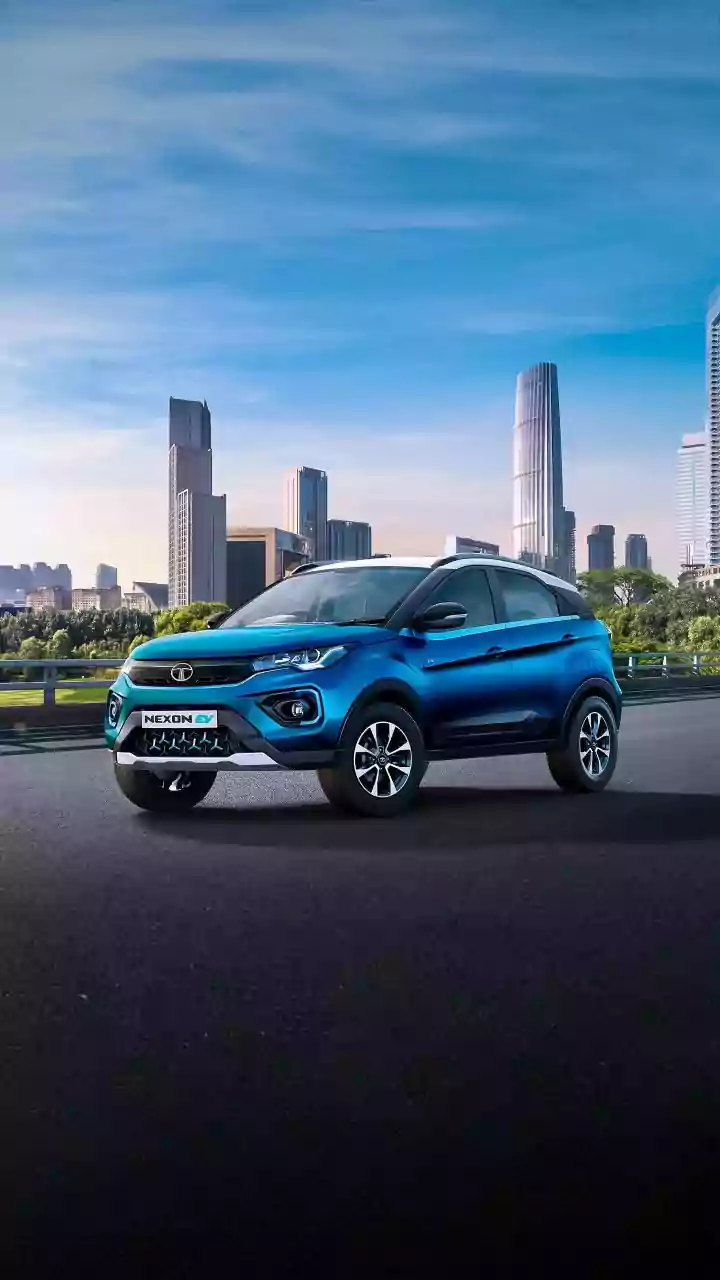
The electric vehicle segment, though smaller than CNG, is expanding at a blistering pace. EV sales have seen dramatic year-on-year growth, with registrations jumping over 53% in August 2026 compared to the previous year. This surge is led by domestic players like Tata Motors and Mahindra & Mahindra, who have launched a compelling portfolio of electric SUVs and cars at various price points. Government incentives play a crucial role. While direct cash subsidies for electric cars have been phased out, a significantly lower GST of 5% on EVs compared to 28% or more on petrol cars creates a substantial price advantage. State-level policies, which often waive road tax and registration fees, further sweeten the deal, making the total cost of ownership increasingly attractive.
Hybrids: The Sensible Middle Path
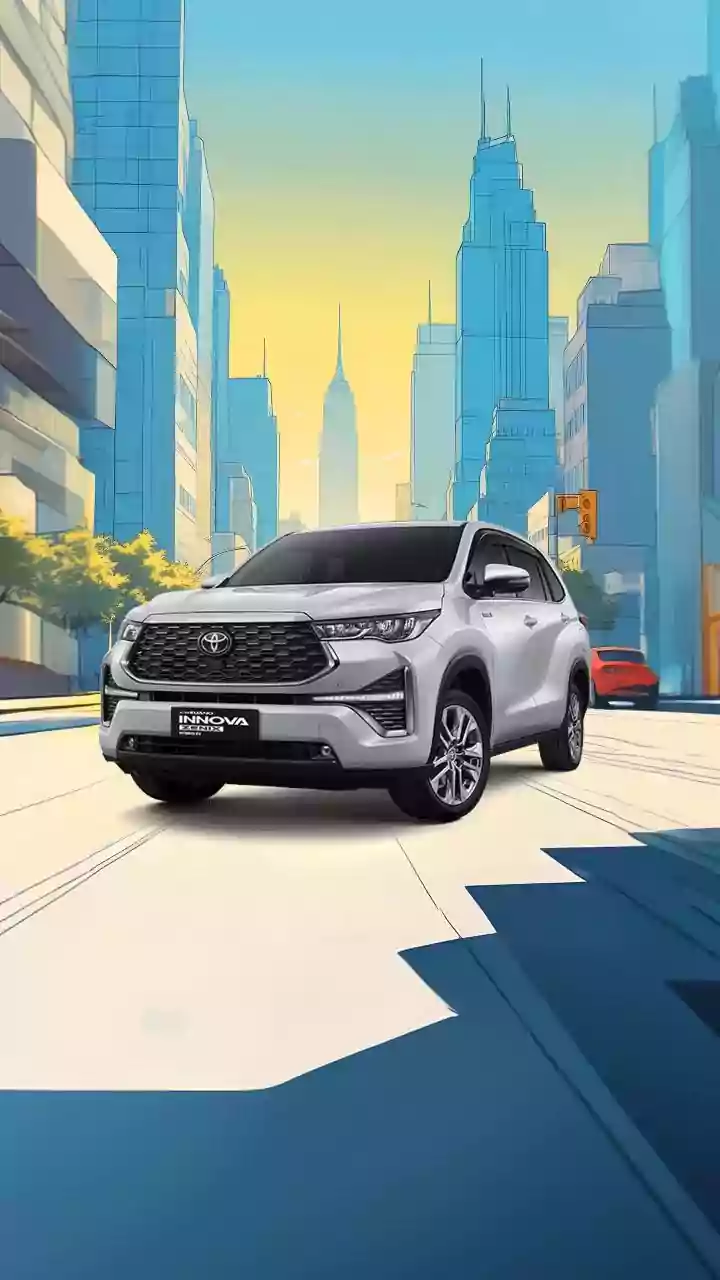
Occupying the space between traditional engines and full electrification are hybrid vehicles. Offering improved fuel efficiency without the need for charging infrastructure, strong hybrids have carved out a solid niche. This segment is dominated by the shared platforms of Toyota and Maruti Suzuki, with models like the Toyota Hyryder and Maruti Grand Vitara leading the sales charts. While the hybrid market isn't growing as explosively as the EV segment, it serves as a crucial bridge technology for buyers who want better mileage and lower emissions but aren't ready to commit to a fully electric vehicle. For many, hybrids represent a practical, no-compromise solution to rising fuel costs.
It All Comes Down to Running Costs
Ultimately, the shift is a story of household economics. An electric vehicle charged at home can cost as little as ₹1 to ₹2 per kilometre to run. A CNG car typically costs between ₹2.5 to ₹4 per kilometre. In sharp contrast, a petrol car can easily cost ₹7 to ₹8 or more for every kilometre travelled. When calculated over thousands of kilometres driven each year, the savings from switching to an alternative fuel can amount to lakhs of rupees over the life of the vehicle. This simple but powerful financial incentive, more than any other factor, is convincing Indian consumers to look beyond the petrol pump for their next car purchase.