






More Than Worship, An Art Phenomenon
At its core, Durga Puja celebrates the victory of Goddess Durga over the demon Mahishasura, a powerful symbol of good triumphing over evil. For Bengalis, it also marks the goddess's annual homecoming. But in Kolkata, this religious event has evolved into
something more: a breathtaking public art exhibition. In 2021, UNESCO recognized this unique blend of religion, art, and community participation by adding Durga Puja in Kolkata to its list of Intangible Cultural Heritage of Humanity. This distinction highlights that the festival's soul lies not just in ancient rituals, but in the hands of the artisans, the vision of designers, and the spirit of the millions who participate.
The Pandal as a Canvas
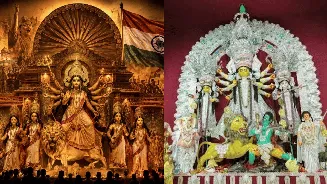
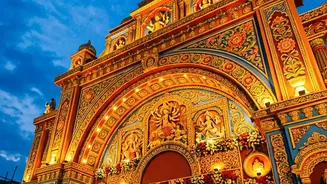
The epicentre of the celebration is the 'pandal'—a temporary structure built to house the idol of Durga. But calling it a mere structure is an understatement. These are elaborate, fantastical installations. Months before the festival begins, artisans in neighbourhoods like Kumartuli begin sculpting the clay idols, a tradition passed down through generations. Simultaneously, community clubs, known as 'sarbojanin pujas', commission artists and designers to bring ambitious themes to life. One pandal might replicate an ancient Indian temple, while another could be a stunning recreation of Jaipur's Hawa Mahal or even a commentary on contemporary social issues. These pandals transform entire localities into immersive wonderlands of light, sound, and creativity.
A Journey Through Stories and Themes
The true magic of the pandal trail is the diversity of stories being told. 'Pandal hopping', the tradition of visiting multiple pandals, is a journey through imagination. In recent years, themes have become a major draw, with each pandal competing to offer the most innovative and thought-provoking experience. Themes can range from the deeply traditional, focusing on mythology and folklore, to the strikingly modern, tackling subjects like environmental conservation, digital life, or historical events. For instance, one pandal in 2026 might explore Bengal's maritime history through the structure of a merchant ship, while another might use its platform to celebrate India's freedom movement. This turn towards thematic art makes the pandal trail a living museum of public sentiment and artistic expression.
An All-Night Spectacle of Community
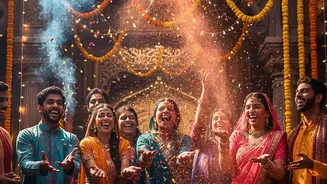
Durga Puja truly comes alive after sunset. As the pandals light up, the streets of Kolkata fill with millions of people, a river of humanity flowing from one creative marvel to the next. The best time for pandal hopping is often said to be late evening until the early hours of the morning, when the city turns into a massive, sleepless party. This is when the divides of class, religion, and ethnicity seem to dissolve into a shared sense of wonder and celebration. The air buzzes with the rhythmic beat of the 'dhaak' (a traditional drum), the chatter of families and friends, and the collective energy of a city united in festivity.
A Feast for All the Senses
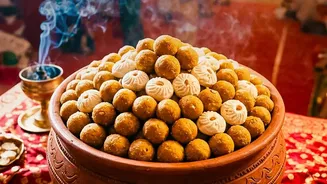
The cultural immersion of Durga Puja extends beyond sight and sound. The pandal trail is also a culinary adventure. The streets are lined with food stalls selling everything from Kolkata’s famous kathi rolls and phuchka to traditional Bengali sweets like mishti doi and sandesh. Many community pandals also offer 'bhog'—food first offered to the goddess and then distributed to devotees, typically a delicious khichuri served with assorted vegetable dishes. This act of sharing food is central to the community spirit of the festival, making the experience a true feast for all the senses and reinforcing the social bonds that hold the celebration together.