

The Allure of Natural Planters
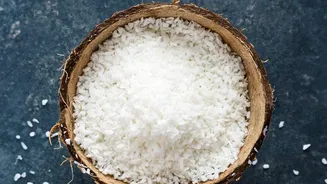
There's a growing appreciation for sustainable and natural home decor, and coconut-shell pots fit perfectly into this trend. Repurposed from shells that would otherwise be discarded, these planters are lightweight, durable, and biodegradable. Their unique
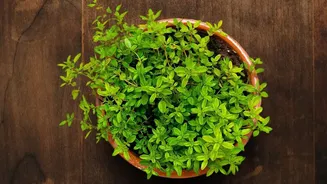
texture and organic shape offer a warm, earthy contrast to conventional ceramic or plastic pots. They are especially popular for housing small plants like succulents, herbs, and cacti, which don’t require much space to grow. This appeal, however, comes with a practical challenge. The very roundness that makes them natural and beautiful also makes them prone to tipping over on flat surfaces like windowsills, shelves, and tables.
The Wobble Problem and Its Risks
An unstable pot is more than just a minor annoyance; it's a recipe for mess and damage. A slight bump from a pet, a child, or even just during watering can send your plant tumbling. The result is spilled soil on your carpet, a potentially broken plant, and water damage to your furniture or floors. Furthermore, a pot sitting directly on a surface can trap moisture underneath, leading to water stains, mould growth, or rot on wooden furniture. This is particularly true for natural materials like coconut shells, which can retain moisture. Without proper elevation, there is also a lack of air circulation around the base of the pot, which can be detrimental to the health of the plant's roots.
The Stand: A Simple and Stylish Solution
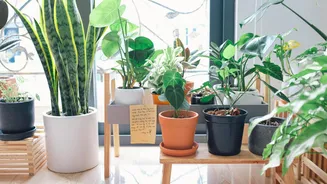
This is where a plant stand comes in. More than just a decorative accessory, a stand is a functional tool that solves the stability problem head-on. By providing a secure and level base, a stand prevents your coconut-shell pot from wobbling and tipping over. It elevates the plant, instantly making it more of a focal point in the room. This elevation also improves air circulation around the entire pot, which helps prevent the soil from becoming overly saturated and reduces the risk of root rot. Using a stand also protects your surfaces. It creates a gap between the pot and your furniture, preventing water rings and scratches. Many stands are also designed to hold a small saucer to catch any excess water that drains from the pot.
Choosing the Right Stand
When selecting a stand for a round-bottomed coconut pot, look for designs that cradle the shell. Simple ring stands, small tripods, or cross-shaped wooden stands are excellent choices. These designs provide support at multiple points, ensuring the pot remains upright and secure. Materials like wrought iron, steel, or solid wood offer both stability and style. Consider the scale of your pot and plant; a small, delicate stand is perfect for a mini succulent planter, while a larger, more robust stand might be needed for a heavier pot. Multi-tiered stands can create a beautiful vertical garden effect, allowing you to display several coconut pots together while saving space.
Easy DIY Stand and Hanging Options
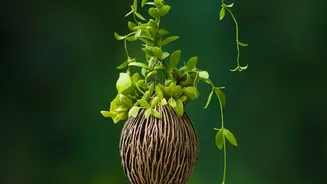
You don't necessarily need to buy a stand; creating one can be a simple and rewarding project. A popular DIY option is a mid-century modern style stand made from interlocking pieces of wood. You can also repurpose items from around the home, like a small, sturdy stool or even an old wire basket turned upside down. Another fantastic way to secure coconut-shell pots is to hang them. By drilling a few holes around the rim and threading jute twine through, you can create a beautiful hanging planter. This not only solves the stability issue but also frees up surface space and is perfect for trailing plants that can elegantly spill over the sides.