





Beyond Just 'No Meat'
For years, vegetarian eating was defined by what it lacked. A plate was either ‘vegetarian’ or ‘normal,’ with the former often being an afterthought. But a major shift is underway. The trend that’s gaining momentum isn’t veganism or strict vegetarianism,
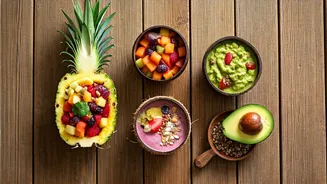
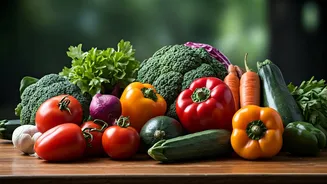
but a more flexible and inclusive style of eating known as ‘plant-forward’. This philosophy doesn’t necessarily eliminate meat but reframes the entire meal. Instead of meat being the star with vegetables as the supporting cast, the focus is now on making plants the main event. It’s about building a meal around gorgeous, roasted carrots, a hearty mushroom bolognese, or a flavour-packed grain bowl, celebrating vegetables for their own textures and tastes rather than trying to imitate meat.
Driven by Flavour, Not Dogma
So, why is this trend succeeding where others have failed? One word: flavour. Unlike restrictive diets, the plant-forward approach is driven by culinary curiosity and a desire for delicious, satisfying food. Chefs in top restaurants and home cooks on social media are showcasing the incredible versatility of vegetables, using techniques like roasting, grilling, and fermenting to unlock new depths of flavour. This movement is also less about a single ethical stance and more about a collection of personal motivations. For some, it’s about health benefits like reducing the risk of heart disease and type 2 diabetes. For others, it’s about environmental sustainability and reducing their carbon footprint. Crucially, it’s an inclusive approach; the majority of people driving this trend aren't strict vegetarians but 'flexitarians' who are consciously choosing to eat less meat.
A Modern Indian Adaptation
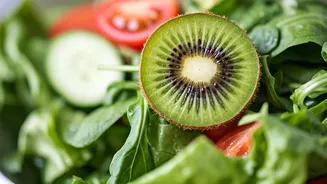
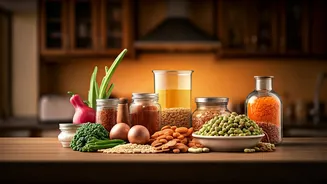
In India, a country with one of the largest vegetarian populations in the world, this trend takes on a unique flavour. While vegetarianism has been deeply woven into the cultural and religious fabric for centuries, the modern plant-forward movement is a blend of tradition and global innovation. It’s not just about dal and paneer anymore. It’s about applying modern cooking techniques to traditional ingredients—think millet-based dishes, jackfruit biryanis, and vibrant salads with local greens. Young Indians, increasingly conscious of health and environmental issues, are embracing this new wave. It represents a move away from a diet sometimes defined by caste or religious obligation towards an individual, lifestyle-driven choice that celebrates India’s rich vegetable heritage in a fresh, contemporary way.
It All Starts in Your Kitchen
Embracing this trend doesn't require a radical overhaul of your life. It begins with a simple mindset shift. Instead of asking “What meat should I cook for dinner?” ask “What vegetable can I build my meal around?” Start small by dedicating one or two nights a week to a vegetable-centric main course. Explore the magic of roasting; a high oven heat can transform humble vegetables like cauliflower, broccoli, or sweet potatoes into something sweet, caramelized, and deeply satisfying. Experiment with hearty vegetarian stews, rich lentil curries, or vibrant pasta dishes where vegetables are the hero. The goal isn't perfection, but exploration. It’s about discovering the endless, delicious possibilities that were there all along, hiding in the produce aisle.
Why It Has Staying Power
This isn't just another food trend destined to be replaced next year. The plant-forward movement is a fundamental and lasting shift in our food culture. Its staying power comes from its flexibility—it’s a philosophy, not a strict diet. It is sustainable for both personal health and the planet, offering a powerful combination of benefits that resonate with modern consumer values. By focusing on what you can add to your plate (more variety, more flavour, more nutrients) rather than what you must remove, it fosters a positive and enjoyable relationship with food. It’s a movement that is moving from niche to mainstream, with global food sales projected to grow significantly. This isn’t a temporary phase; it’s the future of how we’ll eat dinner.