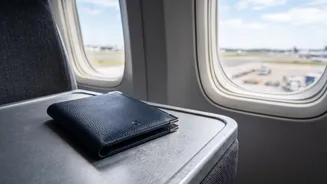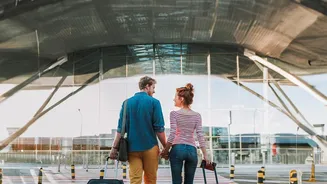







It’s a frustrating moment: you’ve just stepped off the plane and into the jet bridge when you realise your phone, wallet, or jacket is still at your seat. Your first instinct is to turn back, but you’ll almost certainly be stopped. Here’s why.
A Serious Security Breach
The primary
reason you can't just walk back onto a plane is security. Airports are divided into 'sterile' (secure) and 'unsterile' (non-secure) zones. Once you step off the aircraft and into the terminal gate area, you have technically left the sterile environment of the plane. Allowing a passenger to re-enter without passing through security checks again creates a significant breach. Aviation authorities have strict rules to prevent any unauthorised person or object from being brought onto an aircraft. If a passenger were to go back on board, security protocols might require that all passengers be deplaned and the entire aircraft be re-screened, as there's no way to be certain nothing was left behind or tampered with. This rule isn't just about the person re-entering; it's about maintaining the integrity of the flight's security from start to finish.
The Ripple Effect of Delays
Beyond security, letting a passenger back on board can cause significant operational chaos. Airlines run on incredibly tight schedules, often with turnaround times of just 30 to 90 minutes for cleaning, refueling, catering, and boarding the next flight. Reopening the aircraft door, even for a moment, can disrupt this highly choreographed process. The passenger manifest and headcount, which must be exact for weight, balance, and safety calculations, would need to be re-verified. If a passenger who has already been 'disembarked' in the system gets back on, it creates a documentation error that must be resolved before departure. This seemingly small act could delay the flight, causing a ripple effect that impacts connecting flights, crew schedules, and potentially hundreds of other passengers down the line.
Critical Safety Procedures
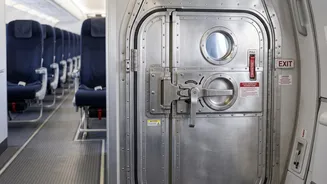
As soon as the last passenger gets off, the cabin crew begins procedures for the next flight or secures the aircraft. If the plane is preparing for another departure, flight attendants conduct final security sweeps and arm the doors for take-off. The process of arming a door prepares the emergency evacuation slide to deploy automatically if the door is opened. Disarming and re-arming the door is a formal procedure that takes time and focus. Interrupting these critical safety checks is not an option. Federal Aviation Administration (FAA) regulations are stringent about when and why an aircraft door can be opened after it has been closed for departure, often requiring a formal write-up if procedures are not followed. These rules are in place to ensure the aircraft is completely secure and ready for a safe departure.
What To Do If You Forget Something
So, what should you do when you realise you've left an item behind? Act quickly. If you're still in the jet bridge or at the gate, immediately tell the gate agent. While you won't be allowed back on, the agent can contact the cabin crew, who can retrieve the item for you. The crew is often happy to help as long as passengers are still deplaning or the aircraft is on the ground. If you've already left the gate area or the airport, your next step is to contact the airline's baggage claim office or fill out the lost-and-found form on their website as soon as possible. Provide your flight number, seat number, and a detailed description of the item. Airlines have established systems for tracking and returning lost property, and many passengers successfully recover their belongings this way.