



A Return to Roots
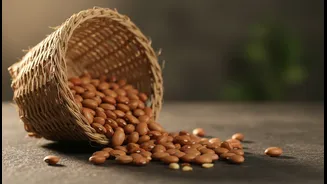
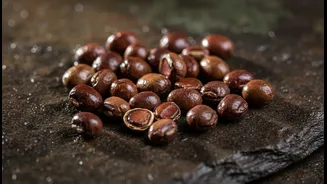
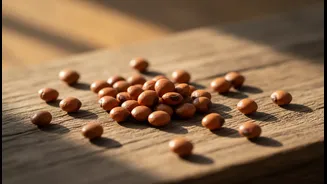
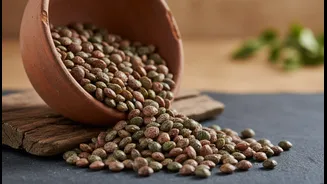
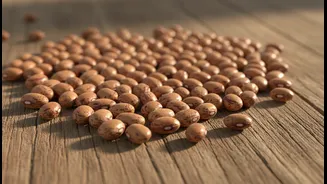
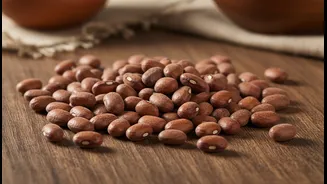
There's a quiet revolution happening in Indian kitchens. As consumers increasingly prioritize wellness and seek out sustainable foods, they are rediscovering ingredients that were staples for generations. Horse gram, a lentil with a history stretching
back millennia in India, is at the forefront of this trend. For years, its primary identity was as a resilient crop and animal fodder—hence the name—but today, home cooks and nutritionists are recognizing its immense value for human consumption. This renewed interest is part of a larger movement towards embracing traditional foods that are not only healthy but also deeply connected to India's culinary heritage.
The Nutritional Powerhouse
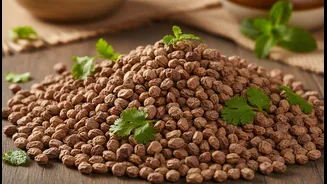
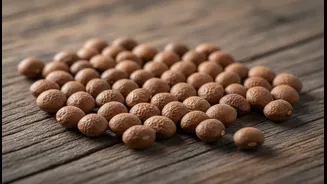
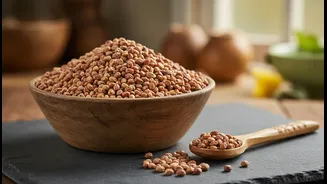
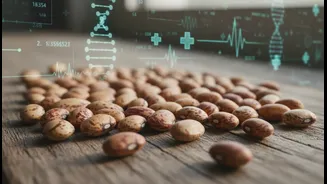
So, why the sudden buzz? A closer look at its nutritional profile provides a clear answer. Horse gram is exceptionally rich in protein, making it an excellent plant-based source for vegetarians and vegans. It boasts the highest calcium content among pulses and is packed with iron, phosphorus, and dietary fiber. Its low-fat content and complex carbohydrates make it beneficial for heart health and managing blood sugar levels. Scientists have noted that raw horse gram seeds can help reduce insulin resistance, making it a diabetic-friendly food. These attributes have earned it the well-deserved title of a 'superfood'.
Medicine on Your Plate
Long before it became a trending health food, horse gram was a staple in traditional medicine, particularly Ayurveda and Siddha. It is recognized for its 'heating' properties, believed to help balance the Kapha dosha, which is associated with sluggishness and congestion. Traditional practitioners have used it to treat a variety of ailments, from the common cold and fever to asthma and bronchitis. One of its most well-known traditional uses is in managing and preventing kidney stones due to its diuretic properties, which help flush toxins from the urinary tract.
From Rasam to Salads
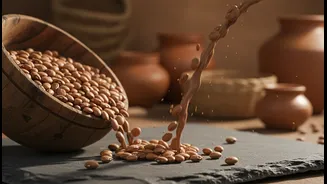
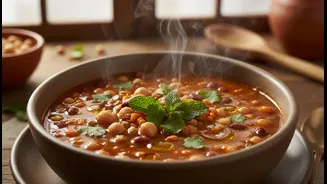
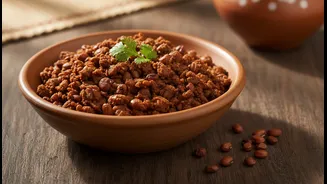
While traditional preparations like Kulthi Dal in the north or Kollu Rasam in the south remain beloved classics, modern Indian cooks are finding new and creative ways to incorporate this versatile legume. Its earthy flavour lends itself well to a variety of dishes. Sprouted horse gram is now a popular addition to fresh salads, boosting their protein content and adding a satisfying crunch. The pulse is also being roasted and ground into a flour, which can be mixed with wheat flour to make nutrient-dense parathas and dosas, or even used in tikkis and soups. This culinary flexibility is key to its growing popularity, allowing it to fit seamlessly into contemporary diets.
A Climate-Smart Crop
Beyond its health and culinary benefits, horse gram is also a champion of sustainability. It is an incredibly hardy, drought-resistant crop that thrives in arid regions and on poor soils where other plants might fail. As a legume, it naturally fixes nitrogen in the soil, reducing the need for chemical fertilizers and improving soil health for subsequent crops. For small-scale farmers in India's rain-fed agricultural zones, cultivating horse gram offers a reliable, low-investment source of income and nutrition, making it a crucial component of climate-resilient farming.