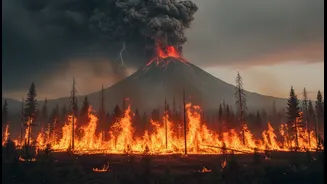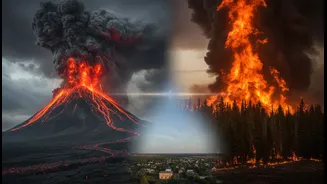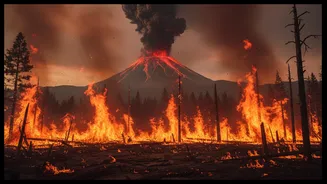



Fire and Earth: A Tale of Two Forces
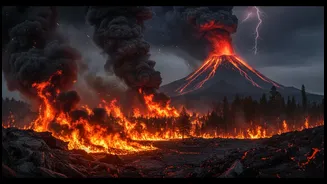
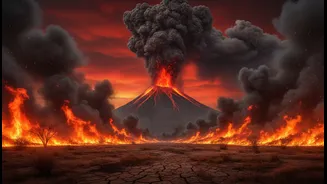
At first glance, wildfires and volcanoes seem like entirely separate phenomena. Wildfires are uncontrolled blazes that sweep through combustible vegetation. They are becoming more frequent and intense due to climate change, which leads to hotter temperatures
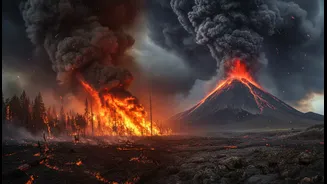
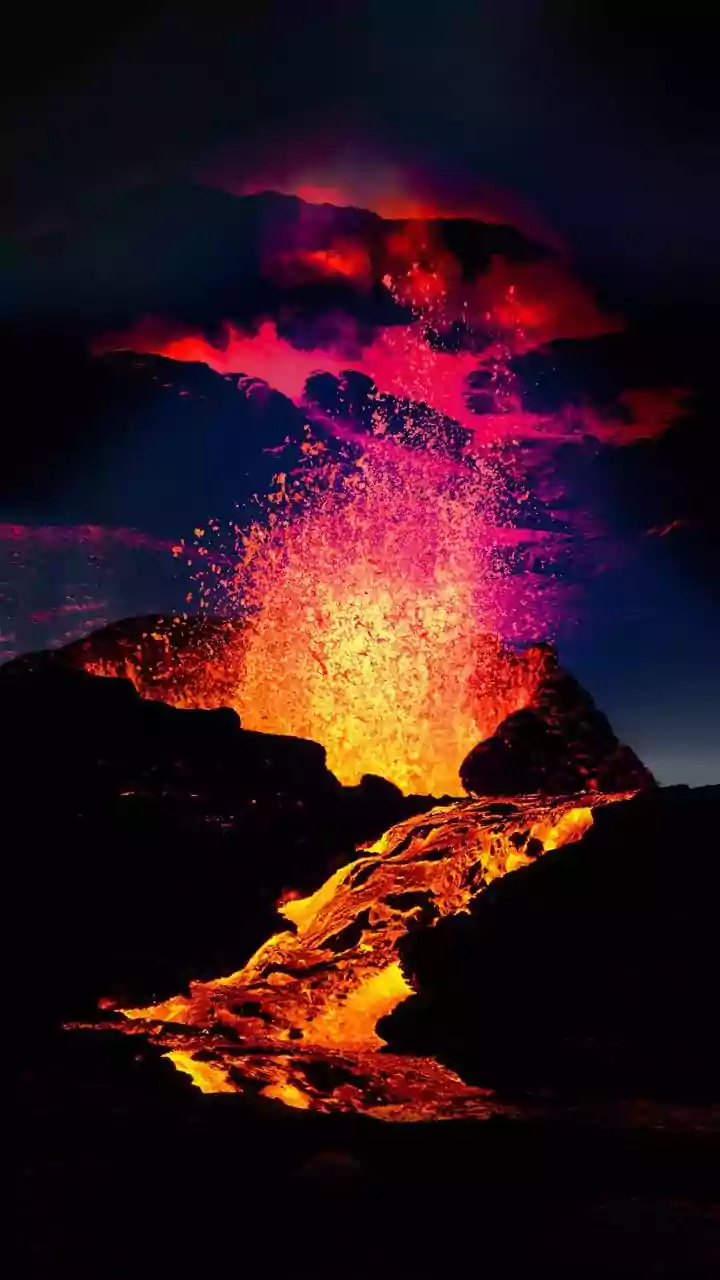
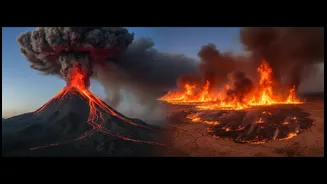
and drier conditions. Volcanoes, on the other hand, are vents in the Earth's crust that allow molten rock, ash, and gas to escape from deep within the planet. While a volcanic eruption can sometimes trigger a wildfire with its hot lava and ash, the fundamental processes are distinct. A wildfire is a surface event, driven by weather and fuel. A volcano is a geological event, driven by plate tectonics and the immense pressure building up kilometres below the ground.
The Atmosphere Does Not Forget
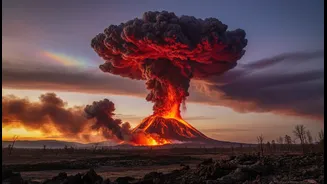
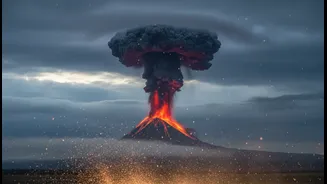
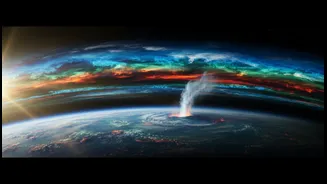
Despite their different origins, both events have a profound and surprisingly similar impact: they inject massive quantities of particles and gases into the atmosphere. This is where their effects begin to overlap and interact with the global climate system. Wildfire smoke is a complex mixture of pollutants, including particulate matter, carbon monoxide, and black carbon. These tiny particles can travel thousands of kilometres, affecting air quality far from the fire itself and posing significant health risks, from respiratory irritation to cardiovascular problems. Volcanoes eruptions also blast ash and gas high into the stratosphere, the layer of the atmosphere above the one we live in. This material can circle the globe for weeks and remain suspended for years, disrupting normal weather patterns.
A Surprising Climate Twist
Here’s where it gets interesting: while both events release greenhouse gases like carbon dioxide, their immediate impact on global temperature can be starkly different. Wildfires are a net source of carbon, releasing vast amounts of stored carbon from trees and soil, which contributes to the greenhouse effect and accelerates global warming in a dangerous feedback loop. Volcanoes, however, often have a temporary cooling effect. When a major volcano erupts, it spews enormous amounts of sulfur dioxide gas into the stratosphere. This gas converts into sulfate aerosols that act like tiny mirrors, reflecting solar radiation back into space and cooling the Earth's surface for one to three years. The 1991 eruption of Mount Pinatubo, for instance, caused a temporary global temperature drop of about half a degree Celsius. However, the CO2 released by volcanoes is minuscule compared to human activity.
Practical Impacts on Our World
The consequences of these events are felt far beyond the immediate danger zone. For those living near active sites, the risks include burns, suffocation, and property destruction. But the ripple effects are global. Volcanic ash clouds are a serious hazard to aviation, capable of shutting down air travel across entire continents by clogging jet engines. Smoke plumes from massive wildfires, like those recently seen in Canada and Australia, have blanketed cities thousands of kilometres away, leading to public health alerts and forcing millions to stay indoors. Both phenomena can also contaminate water supplies and disrupt agriculture. Volcanic aerosols can even alter large-scale weather systems like the monsoon, potentially leading to reduced rainfall in regions like South Asia.
The Great Unanswered Questions
For all that we know, there are still major questions that scientists are racing to answer. For volcanoes, a key challenge is prediction. While monitoring ground deformation and gas emissions can provide clues, forecasting the exact timing and, more importantly, the style of an eruption remains incredibly difficult. Scientists are still working to understand the complex plumbing systems beneath volcanoes and what triggers a gentle lava flow versus a catastrophic explosion. For wildfires, the science of prediction is also evolving. A major area of research is understanding the 'feedback loop'—how bigger, more intense fires are themselves changing the climate, potentially leading to even more extreme fire seasons in the future. Distinguishing the climate signals of these natural events from human-caused warming is a critical and ongoing area of study.