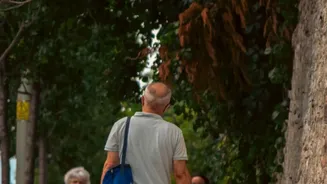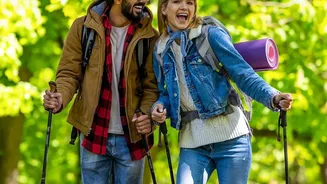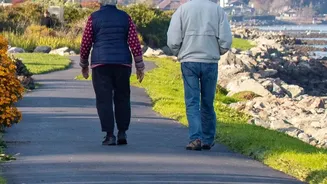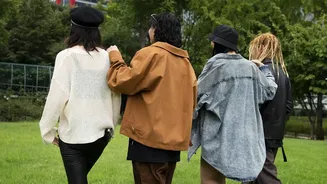






In India’s bustling cities, a quiet revolution is taking place on pavements and in parks. Tired of digital fatigue and urban isolation, residents are rediscovering a simple, powerful way to connect: group walking. It is a trend that is doing more than
just counting steps; it is rebuilding community one conversation at a time.
The New Social Network Is on Foot
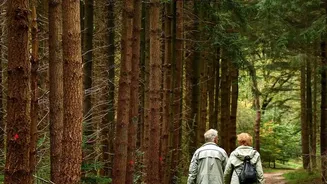
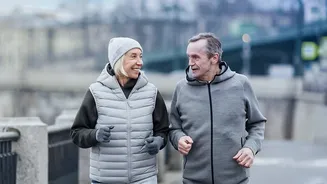
In cities like Mumbai, Delhi, and Bangalore, the familiar morning park routine is getting a youthful update. What was once the domain of retirees is now attracting young professionals and students who are turning walks into social events. Instead of meeting at a pub or cafe, groups are forming to explore their own neighbourhoods, combining light exercise with genuine conversation. These walking clubs, often organised informally through platforms like WhatsApp, Meetup, or Instagram, provide a low-pressure environment to meet new people. The agenda is simple: show up, walk, and talk. This shift reflects a broader change where fitness is evolving from a solitary chore into a shared social experience. It's less about the intensity of the workout and more about the consistency of connection.
An Answer to Urban Loneliness
Life in a major Indian metropolis can be intensely isolating. Many people who move for education or careers leave behind tight-knit communities, and studies confirm that a significant percentage of urban Indians experience loneliness. Walking groups have emerged as a powerful, real-world antidote. Unlike superficial online interactions, walking side-by-side with someone fosters easy, natural conversation, helping to form organic friendships. This shared activity provides a sense of belonging and accountability, which are often missing in the anonymity of city life. Knowing a group is waiting for you is a strong motivator, making it easier to build a routine that benefits both mental and physical health.
Accessible Wellness for All
One of the key drivers of this trend is its accessibility. Gym memberships can be expensive, and high-intensity workouts can be intimidating. Walking, however, is free, requires no special equipment, and is adaptable to almost any fitness level. This low barrier to entry makes it an inclusive activity, welcoming everyone from seasoned hikers to complete beginners. This approach aligns with a growing desire for holistic wellness that is sustainable and enjoyable, rather than focused purely on gruelling regimes. Research consistently highlights that walking, especially in a group and in natural or green environments, reduces stress, improves mood, and boosts overall well-being.
Reclaiming the City, Step by Step
These group walks are also helping residents rediscover their own cities. Moving through streets and parks on foot offers a different perspective than rushing by in a vehicle. It allows for the discovery of hidden lanes, local eateries, and quiet green spaces. For many, especially women, walking in a group provides a crucial sense of safety, empowering them to explore their surroundings with confidence at any hour. Groups like 'City Girls Who Walk Delhi' are explicitly using their walks to reclaim public spaces, creating a secure environment for women to connect and be visible. This act of walking together transforms public parks and promenades from simple thoroughfares into vibrant community hubs.
How to Find Your Walking Tribe
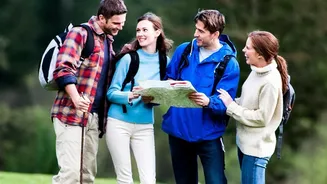
Joining the movement is becoming easier as more groups emerge. Platforms like Meetup and Facebook are popular starting points, with listings for walking clubs across major cities like Pune, Bangalore, Delhi, and Mumbai catering to different interests, from brisk fitness walks to leisurely heritage trails. Social media searches for local groups in your area can also yield plenty of informal options. For those with specific interests, there are themed walks focused on food, photography, or history. And if you cannot find a group that fits your pace or schedule, the beauty of this trend is its simplicity: you can always start your own with a few friends or neighbours.