





Watering: The Art of Restraint
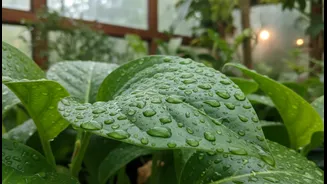
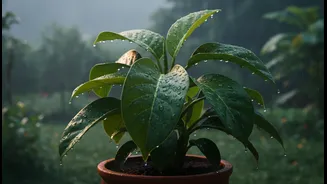
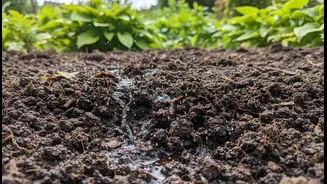
Overwatering is the number one killer of plants during the monsoon. With high humidity and frequent showers, the soil stays wet for longer. Sticking to your summer watering schedule is a recipe for root rot, a condition where roots suffocate and decay
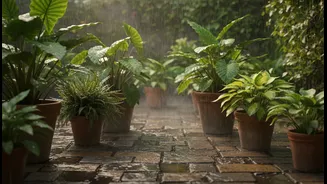
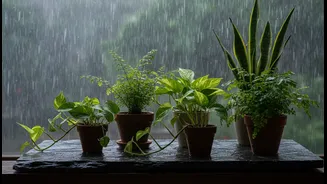
in waterlogged soil. The right time to water is only when the top inch or two of soil feels dry to the touch. Always check first. If it has rained, there's no need to water manually. For potted plants, ensure they have ample drainage holes and consider elevating them on bricks or stands to allow excess water to escape freely. Emptying the saucer beneath the pot is crucial to prevent the plant from sitting in stagnant water.
Pruning: A Timely Haircut
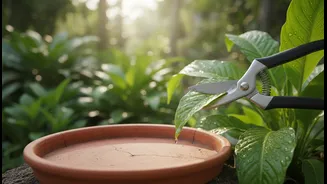
The monsoon is a period of vigorous growth, making it an excellent time for pruning. A well-timed trim encourages fresh, bushy growth and improves air circulation, which is vital for preventing fungal diseases. The best time to prune is just before the monsoon begins or during a dry spell between rains. Pruning during heavy, continuous downpours can make fresh cuts susceptible to infection. Focus on removing dead, damaged, or diseased branches, as well as any growth that makes the plant too dense. This helps sunlight and air penetrate the inner parts of the plant, keeping it healthy and reducing the risk of pest infestations.
Fertilising: Less Is More
While it might seem like a good idea to fertilise heavily to support the new growth, caution is advised. Heavy rains can quickly wash away chemical fertilisers from the soil, making them ineffective and potentially polluting. Furthermore, applying fertiliser to a plant with waterlogged roots can cause root burn and add more stress. The ideal timing is to fertilise during a dry patch when the soil has had a chance to dry out slightly. Opt for organic, slow-release fertilisers like compost or vermicompost, which provide a steady supply of nutrients without being easily leached. Liquid organic feeds can also be effective as they are absorbed quickly.
Pest and Disease Patrol
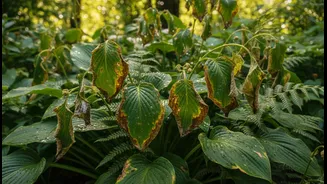
The warm, humid monsoon weather is a perfect breeding ground for pests like aphids and mealybugs, as well as fungal diseases like powdery mildew and leaf spot. Timing is critical for prevention. A proactive approach is much more effective than treating a full-blown infestation. Start a routine of inspecting your plants every few days, paying close attention to the undersides of leaves. At the first sign of trouble, act immediately. A preventive spray of neem oil solution (about 5ml per litre of water) every 10-14 days can ward off a majority of common pests and fungal issues. Ensure good air circulation between plants to keep foliage dry and reduce fungal risk.
Managing Sunlight and Location
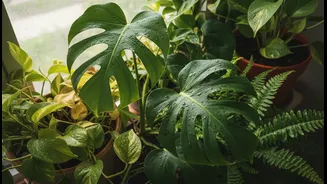
Cloudy skies mean less sunlight for your plants. Indoor plants, in particular, can suffer. To compensate, move them closer to windows that receive the brightest indirect light. Rotate your pots every few days to ensure all sides of the plant get some exposure to light, preventing lopsided growth. For outdoor plants that are sensitive to heavy downpours, such as succulents, it's best to move them to a covered balcony or patio before the first rains. Most foliage plants, however, will thrive in the ambient humidity and rain, provided their pots have excellent drainage.