



Choose the Right Variety
Success starts with selecting the right plant. Most kiwi plants are dioecious, meaning you need separate male and female plants for fruit production. A good ratio is one male plant for every five to eight female plants. For Indian home gardens, several
varieties are suitable. 'Hayward' is the most popular green kiwi, known for its large fruit and excellent shelf life. Other good female varieties include 'Allison', 'Abbott', 'Bruno', and 'Monty'. 'Tomuri' is a common and effective male pollinator, especially for the late-flowering Hayward. If space is tight, look for hardy kiwi varieties which are smaller but can be more compact.
The Perfect Planting Spot
Kiwifruit vines are sun-lovers, requiring a spot that receives at least six to eight hours of direct sunlight each day. In India, orienting your rows or trellis from north to south helps maximise sun exposure. Protection from strong winds is also crucial to prevent damage to the vines and young fruit. The soil should be well-drained, fertile, and loamy, with a slightly acidic to neutral pH between 5.5 and 7.0. If your soil is heavy or prone to waterlogging, consider planting in raised beds or large containers to prevent root rot, a common issue for kiwis.
Planting and Structural Support
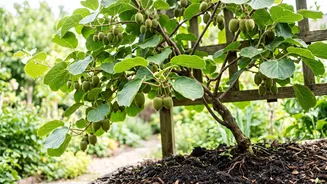
In India, the ideal time to plant kiwi is during January. Dig a pit large enough to accommodate the root system and enrich the soil with about 20 kg of well-rotted farmyard manure. Since kiwi vines are vigorous climbers, a strong support structure is non-negotiable. A T-bar or pergola trellis system is highly recommended. These structures should be sturdy, using posts made of wood or metal that stand about 1.8 to 2 metres (6-7 feet) high. Space plants about 10 to 15 feet apart to allow for ample air circulation and growth.
Watering and Nutrition
Kiwi plants need consistent moisture, especially during the growing season and fruit development, but they dislike soggy soil. A good rule is to water deeply a few times a week, allowing the top inch or two of soil to dry out between waterings. Mulching around the base of the plant can help retain soil moisture and suppress weeds. For the first few years, fertilise sparingly to avoid burning the sensitive roots. After establishment, an annual application of a balanced NPK fertiliser and farmyard manure in the spring will support healthy growth.
The Pollination Puzzle
Since bees aren't always strongly attracted to kiwi flowers, which lack nectar, poor pollination can result in small or misshapen fruit. To ensure a good harvest, you may need to play matchmaker with hand pollination. This simple process involves collecting pollen from the male flowers, which can be done by dabbing them with a small, soft brush or even a feather. Then, gently transfer the pollen to the stigma in the centre of the female flowers. This manual step can dramatically increase your fruit yield and size.
Patience, Pruning, and Harvest
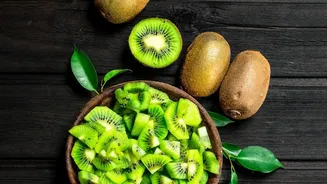
Don't expect fruit in your first year; kiwi vines typically take three to five years to begin producing. Pruning is essential to manage the vine's vigorous growth and encourage fruiting. A major pruning should be done in winter when the plant is dormant, with a lighter trim in summer to control excessive growth. Fruits are typically harvested when they are firm but have reached their full size. They can be stored in a cool place for several weeks and will continue to soften and sweeten after being picked.