



Choose 'Lazy' Plants Wisely
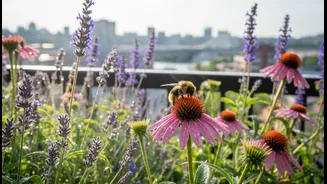
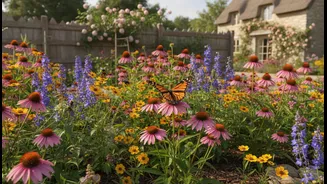
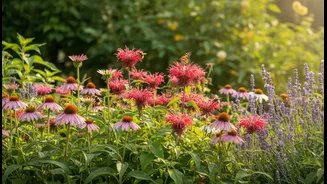
The foundation of a low-effort pollinator paradise is selecting the right plants. Focus on native species that are already adapted to your local climate, soil, and rainfall. These plants are naturally resilient and require far less attention once established.
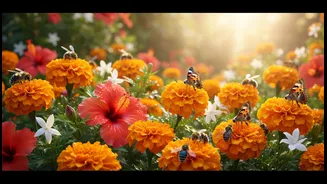
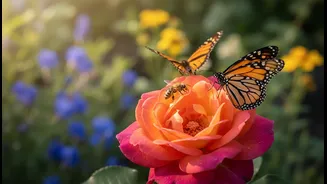
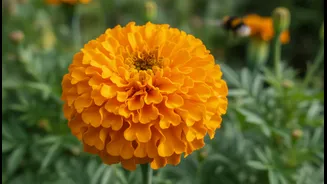
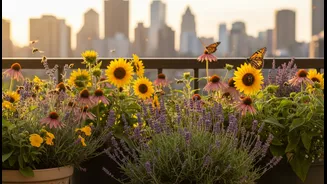
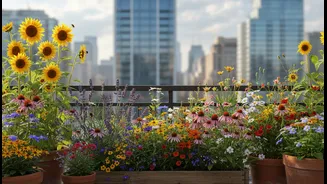
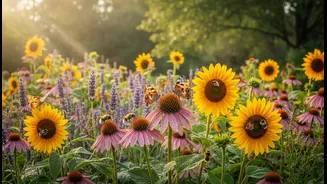
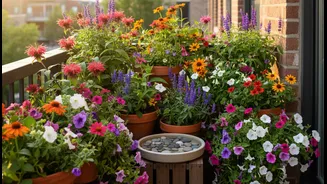
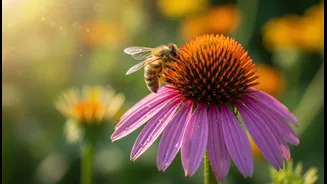
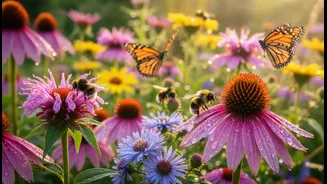
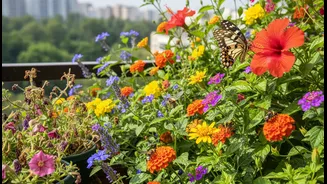
For Indian gardens, consider hardy bloomers like Marigolds, Cosmos, and Sunflowers, which are not only easy to grow but are magnets for bees and butterflies. Herbs such as Tulsi (Holy Basil), Mint, and Lavender also produce small, nectar-rich flowers that pollinators adore. By choosing a variety of plants that bloom at different times, from spring through fall, you provide a continuous food source with minimal intervention. The goal is to plant them and let them thrive on their own.
Embrace a Bit of Mess
Your desire to avoid constant yard work is actually good for pollinators. Many species, including queen bees and the caterpillars of various moths and butterflies, depend on leaf litter and dead plant stems for shelter, food, and a place to overwinter. Raking every last leaf removes vital habitat. Instead of bagging up fallen leaves, consider raking them into your garden beds as a natural mulch or leaving a small pile in a corner of your yard. This 'mess' provides insulation, enriches the soil as it decomposes, and offers a safe haven for countless beneficial insects. Resisting the urge to have a perfectly tidy garden is one of the easiest and most effective ways to provide shelter.
Just Add Water (The Easy Way)
All living things need water, and you can provide this essential resource without installing a complex pond. A simple, shallow water source can be a lifesaver for thirsty bees, birds, and butterflies. Fill a shallow dish, a plant saucer, or a pie pan with water and add some pebbles, marbles, or small rocks. These rocks act as landing pads, allowing insects to drink safely without the risk of drowning. Place the dish near your flowers or on a balcony. Remember to change the water every couple of days to keep it fresh and prevent mosquitoes from breeding. For butterflies, a dish filled with damp sand can also provide crucial minerals, a behavior known as 'puddling'.
Let Your Lawn Go a Little Wild
A perfectly manicured lawn is often described as a 'food desert' for pollinators. Reducing the amount of grass you have to mow is a win-win for both you and local wildlife. Consider letting a section of your lawn grow longer or replacing some grass with low-maintenance, flowering ground covers. Even mowing your lawn less frequently can make a difference, allowing plants like clover to flower and provide a food source. Research has shown that mowing every two weeks instead of weekly can significantly increase the presence of bees. You save time on yard work while creating valuable foraging ground.
Provide Simple Shelter
Beyond flowers and water, pollinators need safe places to nest and raise their young. Most native bees are solitary and don't live in hives. They nest in hollow stems, dead wood, or small tunnels in bare ground. You can help by simply leaving last year’s flower stalks standing through the winter. Another easy option is creating a 'bee hotel' by drilling holes of various sizes into a block of untreated wood and placing it in a sheltered spot. Even leaving a small patch of undisturbed, bare soil can provide crucial nesting real estate for ground-nesting bee species.