





The Millennial Burnout-Insomnia Loop
Millennial burnout has become more than a buzzword; it’s a state of chronic workplace stress that now defines a generation. Characterized by emotional exhaustion and reduced accomplishment, it's a pervasive issue, with some reports finding that over two-thirds
of millennials experience it. This professional fatigue is deeply entangled with a sleep crisis. Late-night work sessions, the pressure to be constantly available, and endless scrolling on bright screens before bed create a perfect storm for poor sleep. This isn't just about feeling tired. This pattern creates a vicious cycle: chronic stress disrupts sleep, and poor sleep then makes it harder to manage stress, regulate emotions, and perform cognitively demanding tasks at work. The result is a workforce that’s running on fumes, where focus wanes and productivity suffers.
Your Body’s Master Clock
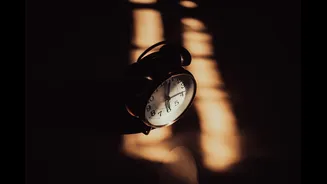
Deep inside your brain is a “master clock” known as the circadian rhythm. This internal, 24-hour timer governs everything from your sleep-wake cycle to your mood and alertness levels. Its most powerful cue is light. For millennia, humans rose with the sun and rested after sunset, keeping this internal clock perfectly synced with the natural world. Modern life, however, has thrown a wrench in the works. We spend most of our days indoors under dim, artificial light and our evenings bathed in the blue light of screens. These mixed signals confuse our master clock. The body doesn't receive the strong, natural light signal in the morning that says, “Wake up and be alert!” At night, exposure to artificial light can suppress the production of melatonin, the hormone that tells your body it's time to sleep. This desynchronization is a key driver of that “tired but wired” feeling, contributing to sleep problems and daytime fatigue.
Hitting the Reset Button with Sunlight
The most effective way to reset a misaligned circadian rhythm is surprisingly simple: strategic exposure to natural light. Spending time outdoors, especially in the morning, sends the strongest possible signal to your brain to synchronize your internal clock with the solar day. Studies have shown that even a weekend of camping, with ample natural light during the day and darkness after sunset, can significantly shift circadian timing, prompting the body to feel sleepy earlier in the evening, closer to sunset. This is why the concept of a "circadian reset" holiday is gaining traction as a wellness trend. By intentionally disconnecting from artificial light sources and maximizing sun exposure, you can help nudge your internal clock back to its natural state, which is foundational for improving sleep quality and, by extension, overall well-being.
Why a Trip to the Hills Works Wonders
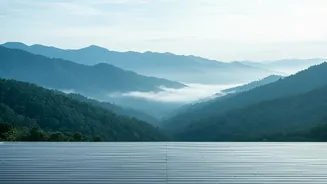
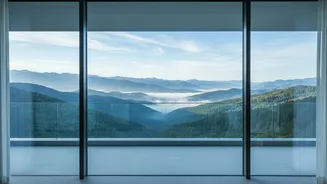
A “hill station holiday,” or any trip to the mountains, provides the ideal environment for this kind of reset. Higher altitudes often mean cleaner air and more intense, direct sunlight, especially in the morning. The natural landscape encourages outdoor activities like hiking, which ensure you get that crucial dose of daylight. A day spent moving in nature naturally reduces stress hormones like cortisol. Moreover, remote natural locations often come with a built-in digital detox due to limited connectivity, removing the sleep-disrupting blue light from screens. The clear delineation between a bright, active day and a truly dark night—free from the light pollution of cities—helps to amplify your body’s natural sleep signals. This combination of bright days, dark nights, physical activity, and low stress creates a powerful, restorative experience that goes beyond a typical vacation.
The Payoff Back at the Office
Returning from a trip that has successfully reset your circadian rhythm feels different. The benefits extend far beyond just feeling relaxed. With your sleep-wake cycle re-aligned, you’re likely to fall asleep more easily and experience deeper, more restorative rest. Quality sleep is directly linked to improved mood, focus, and cognitive function—all critical for high performance at work. A well-rested brain is better at problem-solving, creative thinking, and emotional regulation. Instead of another vacation that leaves you needing a vacation, this type of intentional, nature-based travel can be viewed as a strategic investment in your professional effectiveness. It’s not just about taking a break from work; it's about recalibrating the very biological system that allows you to show up as your best self when you return.