







The Hidden Stress of Layovers
On the surface, a flight with a layover might seem like a good way to save money. However, these savings often come at a hidden cost: physical and mental exhaustion. A connecting flight isn't just a pause; it's a complete reset of the travel stress cycle.
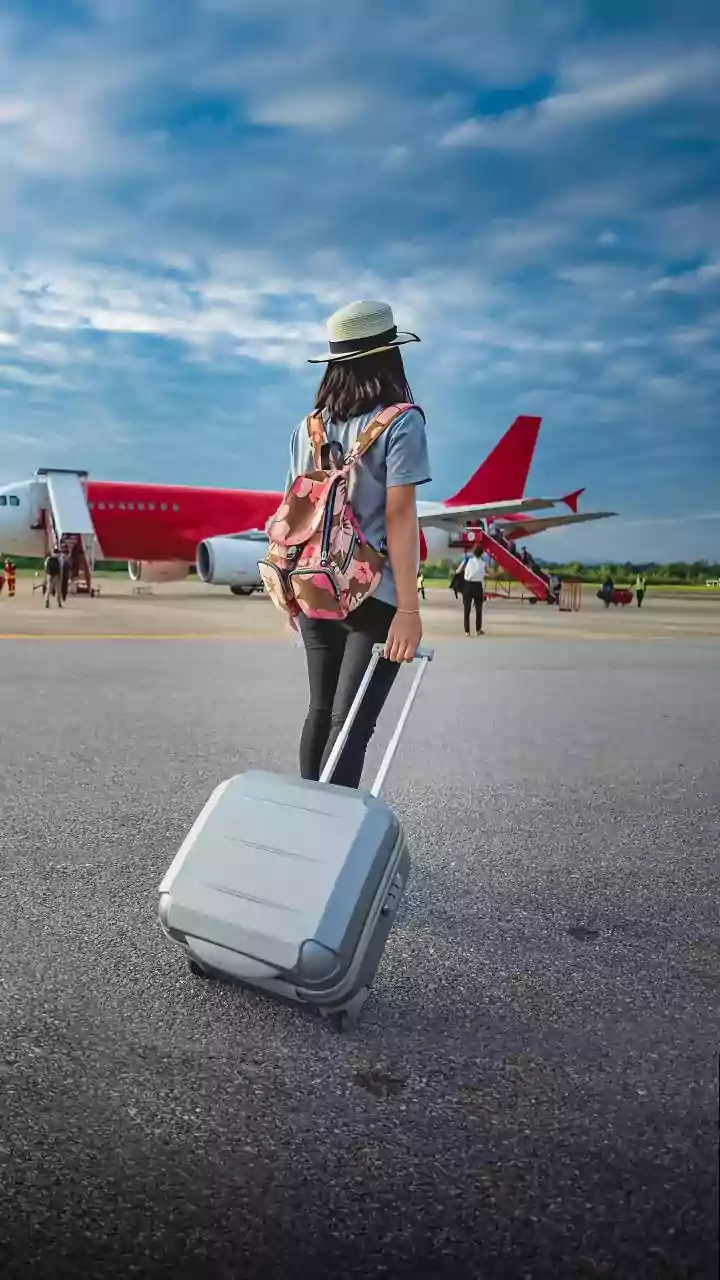
It means deplaning, often navigating a massive, unfamiliar airport, and sometimes rushing to a distant gate. It can involve going through security checks again, which is a significant hassle when managing carry-on luggage, a stroller, and tired family members. The anxiety of a tight connection or the boredom of a long wait both contribute to what experts call a higher cognitive load. Instead of resting, your brain is busy checking screens, calculating times, and worrying about potential delays, which can increase levels of the stress hormone cortisol. This mental fatigue is just as draining as the physical effort, leaving everyone exhausted before the holiday even begins.
The Physical Toll on Older Adults
For older travellers, the physical challenges of air travel are magnified by layovers. Prolonged periods of sitting, both on the plane and in terminals, can be particularly taxing. Immobility increases the risk of serious health issues like deep vein thrombosis (DVT), a condition where blood clots form in the legs. While this risk exists on any long flight, layovers extend the total time spent in a sedentary state. Furthermore, the simple act of navigating a large airport can be difficult for those with mobility issues. Rushing between gates, standing in long queues, and lifting bags can lead to aches, pains, and an increased risk of falls. A direct flight consolidates the journey, reducing the total time spent inactive and minimising the physical strain of moving through multiple airport environments.
Families and the Chaos of Connections
Travelling with young children comes with its own unique set of challenges, and layovers can turn a manageable trip into a chaotic ordeal. A child’s carefully timed nap schedule is easily disrupted, leading to crankiness and meltdowns. Feeding times become complicated, and changing diapers in cramped airport or airplane bathrooms is an added stressor. A layover means gathering all your belongings—diaper bags, toys, snacks, and strollers—and moving your tired family through another crowded space. The risk of losing a crucial item, or even temporarily losing sight of a curious toddler in a busy terminal, is much higher. A direct flight provides a contained, predictable environment. Once you are settled in your seat, you can create a small, stable world for your children for the duration of the flight, making it easier to manage their needs and keep them comfortable and secure.
The Simplicity of a Straight Line
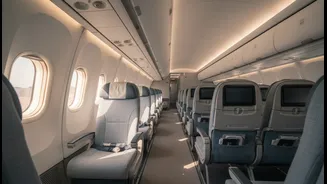
The primary benefit of a direct flight is its beautiful simplicity. You board the plane once and deplane once at your final destination. This straightforward process dramatically reduces the points of potential failure. The risk of your checked luggage being lost or delayed is significantly lower, as it doesn't have to be transferred between planes. You eliminate the anxiety of a missed connection, which can derail your travel plans entirely. This simplicity translates directly into conserved energy. By choosing a non-stop flight, you are essentially buying back time and peace of mind, two invaluable commodities when travelling with family. You arrive at your destination feeling less frayed and more prepared to enjoy your time together.
Making Your Direct Flight Even Better
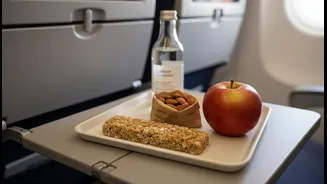
Even with a direct flight, a long journey can be tiring. To further combat fatigue, a few simple strategies can make a big difference. Staying hydrated is crucial, as the air in an airplane cabin is very dry; drink plenty of water and avoid excessive caffeine or alcohol. Encourage movement, especially for older passengers. Simple in-seat exercises like ankle rotations and periodic walks up and down the aisle can help with circulation. If possible, choose flight times that align with your family's natural sleep schedules. For example, an overnight flight might help children sleep through most of the journey. Pre-booking seats to ensure your family sits together can also reduce stress and make it easier to care for one another during the flight.