




The Return to Roots
For generations, traditional Indian meals were naturally rich in fibre, thanks to a diverse array of whole grains, lentils, vegetables, and fruits. [4] However, a shift towards modern, processed foods and refined grains like white rice and maida led to a significant
'fibre gap'. [9, 13] A survey highlighted that a large portion of the Indian population may be fibre-deficient, consuming on average only about half of the recommended daily intake. [9] This has contributed to a rise in lifestyle diseases. [14] Now, a growing wave of health consciousness is leading Indians back to their roots, sparking a renewed interest in the very ingredients that once formed the bedrock of their cuisine. [21]
Why Fibre, Why Now?
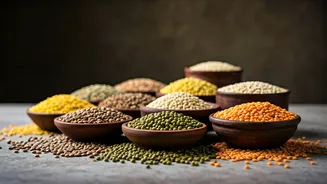
The renewed focus on fibre isn't just a fleeting trend; it's a response to pressing health concerns. [14] High-fibre diets are celebrated for their extensive health benefits. They are crucial for digestive health, helping to prevent constipation and maintain regular bowel movements. [3] Soluble fibre, found in oats, beans, and some fruits, helps regulate blood sugar and lower cholesterol levels, which is particularly beneficial for managing diabetes and heart disease. [4, 5] Insoluble fibre adds bulk and aids digestion. [3, 6] Furthermore, fibre-rich foods promote a feeling of fullness, which can help with weight management by reducing overall calorie intake. [2, 15] As awareness about these benefits grows, more people are actively seeking ways to increase their fibre intake. [18]
The Mighty Millet Movement
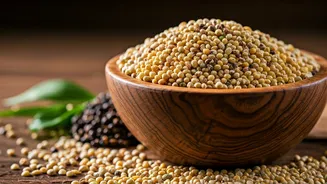
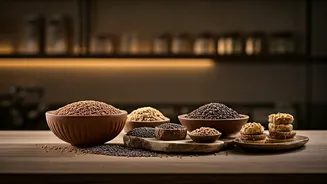
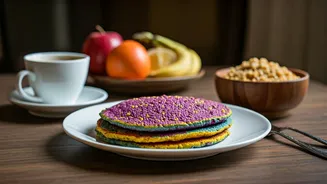
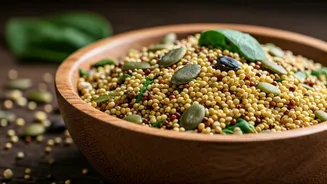
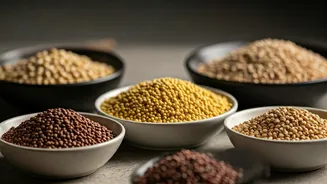
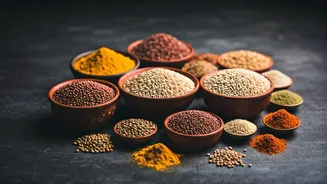
At the forefront of this fibre revolution are millets. [8] Once considered a 'poor man's grain' and largely replaced by wheat and polished rice, ancient grains like ragi (finger millet), jowar (sorghum), and bajra (pearl millet) are making a powerful comeback. [8, 16] Their resurgence was significantly boosted by the UN's declaration of 2023 as the International Year of Millets, following a proposal by India. [16, 19] These grains are not only packed with fibre but are also rich in essential minerals and are naturally gluten-free. [8] A recent survey showed that a majority of Indian households now regularly consume millets, driven by health reasons and a desire for dietary variety. [12] From ragi dosas to jowar rotis, these grains are being seamlessly integrated into daily meals. [5, 6]
A Modern Twist on Tradition
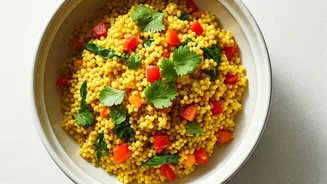
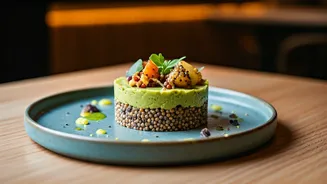
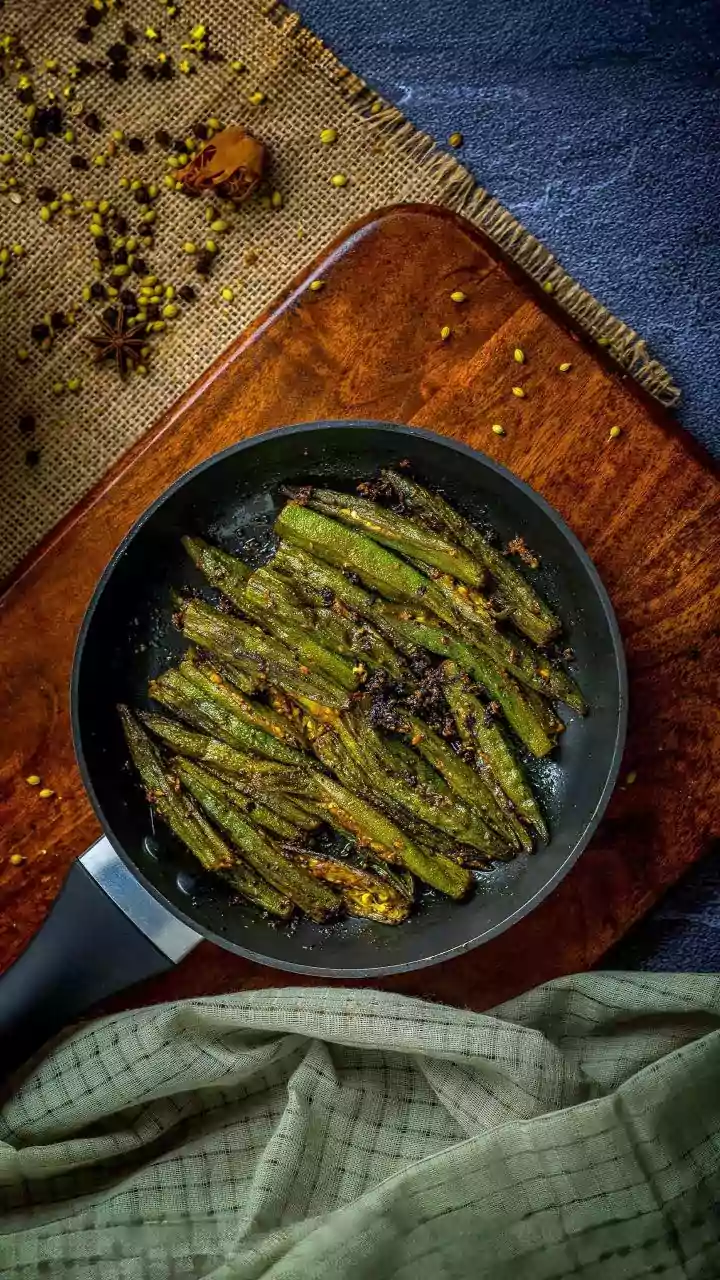
This fibre-led reboot isn't just about reviving old recipes. It's also about innovation. Modern Indian cuisine is creatively incorporating high-fibre ingredients in new and exciting ways. [20, 24] Chefs are experimenting with quinoa, kale, and other global superfoods alongside traditional staples. [24] Packaged food companies are launching fibre-fortified products, from breakfast cereals to functional snacks, to cater to busy, health-conscious consumers. [14] Even simple hacks, like adding a cup of green peas to rice, are being popularised by nutritionists as an easy way to boost daily fibre intake. [17] The focus is on making high-fibre eating accessible, enjoyable, and a natural part of a contemporary Indian lifestyle. [2, 21]