






An Astronomical Spectacle Arrives
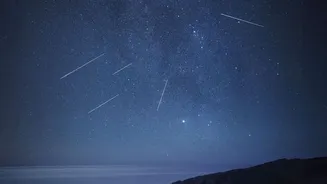
Every August, Earth passes through the trail of cosmic dust left behind by Comet Swift-Tuttle. As these tiny particles, many no bigger than a grain of sand, enter our atmosphere at incredible speeds, they burn up and create bright streaks of light across
the night sky. This is the Perseid meteor shower, famous for its fast, bright meteors and impressive fireballs. Active from mid-July to late August, the shower is set to reach its glorious peak on the night of August 12-13, 2026. Under ideal conditions, viewers can expect to see up to 100 meteors per hour. This year offers a particularly special treat: the peak coincides with a new moon, meaning the sky will be exceptionally dark, allowing even the faintest meteors to shine through.
The Perfect Time to Watch
Timing is crucial for a successful meteor shower viewing. While you might spot some Perseids anytime after dark, the real show begins after midnight. For viewers in India, the recommended window is between 2:00 AM and 4:30 AM IST in the pre-dawn hours of August 13. This is when the shower's radiant—the point in the constellation Perseus from which the meteors appear to originate—climbs higher in the northeastern sky. A higher radiant means more meteors will be visible across the entire expanse of the sky. So, set your alarm and prepare for a late night or an early morning; the celestial display will be worth the lost sleep.
Escape the City's Glow
The single most important factor for good stargazing is getting away from urban light pollution. City lights create a bright haze that washes out all but the brightest stars and meteors. To truly experience the magic of the Perseids, you need to find a location with a dark, clear sky. This could be a remote village, a national park, a quiet beach, or a hill station far from any major city. The key is to find a spot with an open view of the sky, away from direct sources of light like streetlamps and buildings. One potential challenge for many parts of India in August is the monsoon. Cloudy skies can unfortunately ruin the show, so be sure to check the weather forecast for your chosen location before you head out.
India's Premier Dark Sky Havens
For those serious about their stargazing, India offers several world-class destinations. The high-altitude deserts of Ladakh and the Spiti Valley in Himachal Pradesh are renowned for their exceptionally clear and dark skies, making them prime locations to watch the shower, as they are often less affected by monsoon clouds. Hanle in Ladakh is home to India's first designated Dark Sky Reserve, offering pristine viewing conditions. Other excellent options include the rain-shadow region of the Rann of Kutch in Gujarat, parts of the Thar Desert in Rajasthan, and elevated spots in the Western Ghats like Coorg, provided the skies are clear. Even if you can't travel to these remote spots, using a light pollution map online can help you find a darker area closer to home.
Your Stargazing Kit and Tips
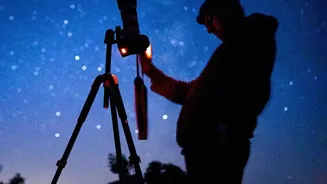
You don't need any special equipment like a telescope or binoculars to watch a meteor shower; in fact, your naked eyes are best because they allow you to see a much wider area of the sky. The most essential item is patience. Here’s a simple checklist for a comfortable viewing experience: Get Comfortable: Bring a blanket, mat, or a reclining chair. You'll be looking up for a long time, so comfort is key to avoid neck strain. Let Your Eyes Adjust: It takes about 20-30 minutes for your eyes to fully adapt to the darkness. Once they have, you'll see far more stars and meteors. Ditch the Phone: The bright white light from your phone screen will ruin your night vision. Put it away. If you need a light, use a flashlight covered with red cellophane, as red light has less impact on your dark-adapted eyes. Stay Warm and Prepared: Even in summer, nights can get chilly. Bring a light jacket or an extra layer. Packing some snacks and a warm beverage is also a great idea. * Look Up and Wait: Find a dark patch of sky and simply look up. Meteors often come in spurts, so there might be lulls followed by several streaks in quick succession.