




The Unseen Scars of Adventure
For decades, the Indian Himalayas have been a magnet for adventurers seeking solace and spectacle. But this rising popularity has come at a cost. An increase in tourist footfalls, combined with a lack of adequate waste management infrastructure in remote
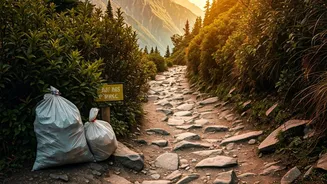
mountain regions, has created a significant pollution crisis. [2, 9] Trekking routes and campsites are often littered with plastic bottles, food wrappers, and other non-biodegradable waste. Recent audits have revealed that nearly 90% of waste collected on some trails is plastic, with the majority being non-recyclable food packaging. [6] This waste doesn't just spoil the view; it leaches harmful chemicals into the soil and water, contaminates critical water sources for downstream communities, and poses a serious threat to Himalayan wildlife, which can ingest plastic while foraging. [3, 9]
A New Generation of Eco-Warriors
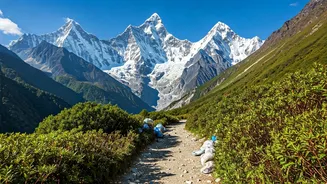
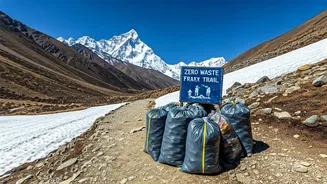
In the face of this growing problem, young people across India are refusing to stand by. A wave of youth-led and volunteer-driven initiatives has emerged, dedicated to cleaning up the mountains. Organizations like Healing Himalayas Foundation, Waste Warriors, and trekking companies themselves are mobilizing groups of students, young professionals, and travellers to conduct regular waste collection drives on popular trails. [4, 15, 18] These initiatives often combine the thrill of trekking with a sense of purpose. Volunteers hike along trails in regions like Himachal Pradesh, Uttarakhand, and Sikkim, armed with gloves and collection bags, painstakingly gathering the trash left behind. [18, 19, 20] The collected waste, which can amount to hundreds of kilograms on a single drive, is then brought down to base camps for proper segregation and disposal. [20, 21]
From Trail to Transformation
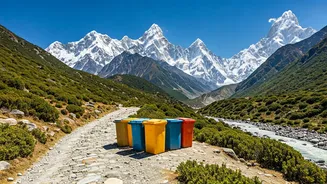
The work doesn’t end with simply collecting trash from the mountainside. The logistical challenge of managing waste in high-altitude areas is immense. Many of these youth-focused groups have developed systematic approaches. For instance, the Healing Himalayas Foundation, founded by trekker Pradeep Sangwan, has established several Material Recovery Facilities in remote regions to process the collected waste. [15, 17] After being carried down from the trails—often on mules or by the volunteers themselves—the waste is segregated. Recyclable materials are sent to processing plants in other states, while non-recyclable waste is handled through appropriate disposal channels. Some trekking companies even provide trekkers with their own 'eco-bags' to collect waste they find along the way, embedding the cleanup effort directly into the trekking experience. [4]
Beyond Collection: The Ripple Effect
The impact of these youth drives extends far beyond cleaner trails. They are powerful educational tools, fostering a generation of environmentally conscious citizens. By participating directly, young people witness the scale of the problem firsthand, which instills a deep-seated commitment to sustainable practices. [18, 21] Many organizations supplement their cleanup activities with awareness campaigns in local schools and communities, promoting the principles of 'Leave No Trace' and responsible tourism. [7, 21] This dual approach—action and education—helps create a long-term cultural shift towards sustainability. It empowers local communities, who are often on the front lines of the waste crisis, to become active custodians of their environment and encourages all trekkers to adopt more mindful habits, such as carrying reusable water bottles and packing out everything they pack in. [5, 8]