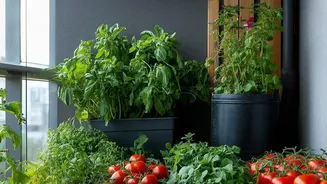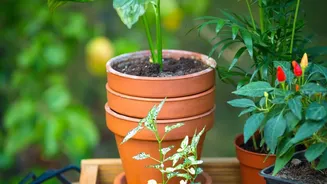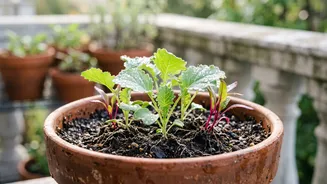






The cool promise of November brings a new wave of enthusiasm for balcony gardeners. As you nurture your winter veggies like spinach, methi, and carrots, a silent threat emerges: pests. Here's how to protect your precious harvest.
Identify Your Unwanted Guests
Before you can fight back,
you need to know your enemy. In the cooler months, several pests thrive on lush, leafy greens. The most common culprits in a balcony setting are aphids, tiny green or black insects that cluster on new growth and the undersides of leaves, sucking the life out of your plants. You might also spot cabbage worms or loopers, which are the green caterpillars of moths and butterflies, munching holes in the leaves of your brassicas like cabbage and cauliflower. Whiteflies are another nuisance; these tiny, moth-like insects fly up in a cloud when disturbed and weaken plants by draining sap. Finally, look out for spider mites, which are almost microscopic but create fine webbing, usually on the underside of leaves, causing them to look stippled and yellow.
Prevention Is the Strongest Defence
The best pest control strategy begins before you even see a single bug. A proactive approach can save you a world of trouble. First, always inspect new plants thoroughly before introducing them to your balcony garden. Pests can easily hitch a ride from the nursery. Second, keep your gardening space clean. Remove fallen leaves and debris promptly, as this material can harbour pests and diseases. Ensure your pots have good drainage and that you are not overwatering, as damp, unhealthy conditions can attract pests. Finally, promoting good air circulation by not overcrowding your plants can make your balcony a less inviting environment for fungal diseases and certain insects.
Harness the Power of Companion Planting
Nature has its own pest control systems, and you can leverage them even in a small space. Companion planting is the practice of growing certain plants together to benefit one another. For pest control, some plants are superstars. Marigolds, for example, release a substance that repels nematodes in the soil and deters pests like whiteflies above ground. Their strong scent can confuse insects looking for your vegetables. Planting aromatic herbs like mint, basil, and rosemary near your veggies can also help deter common pests. Garlic and onions are excellent companions for leafy greens, as their pungent smell is a powerful repellent for aphids and other sap-suckers. Just pop a few cloves or seedlings in your vegetable containers.
Master Organic Pest Control Sprays
When you need to take direct action, skip the chemical pesticides, which are unsuitable for a home environment and your food. Instead, turn to simple, effective organic sprays. A neem oil solution is the go-to for most organic gardeners. To make it, mix one teaspoon of pure, cold pressed neem oil and half a teaspoon of a mild liquid soap (which acts as an emulsifier) into one litre of warm water. Pour it into a spray bottle and apply it to the entire plant, especially the undersides of leaves, either early in the morning or late in the evening to avoid leaf burn. This spray disrupts the life cycle of many pests. For a simpler solution effective against soft bodied insects like aphids, a basic soap spray made with just liquid soap and water is often sufficient.
Use Physical Removal and Barriers
Sometimes the most direct method is the best. For larger pests like cabbage worms and caterpillars, the quickest and most effective solution is to simply hand pick them off your plants and dispose of them. A daily inspection during your morning tea or coffee can make this a manageable task. If you see clusters of aphids, a strong jet of water from a spray bottle can be enough to dislodge them. For persistent problems, especially with flying insects or to protect prized plants, consider using physical barriers. A lightweight insect netting or floating row cover draped over your plants can prevent moths from laying their eggs on your leafy greens in the first place, stopping a caterpillar problem before it even starts.