






The Monsoon's Treacherous Allure
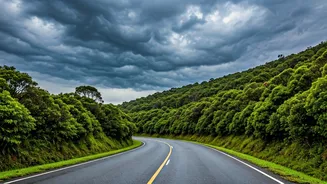
Every year, as the monsoon sweeps across Karnataka, the Western Ghats come alive. Sakleshpur, a jewel in the Malnad region, becomes particularly enchanting. The coffee plantations are washed clean, the air is cool, and waterfalls cascade with renewed
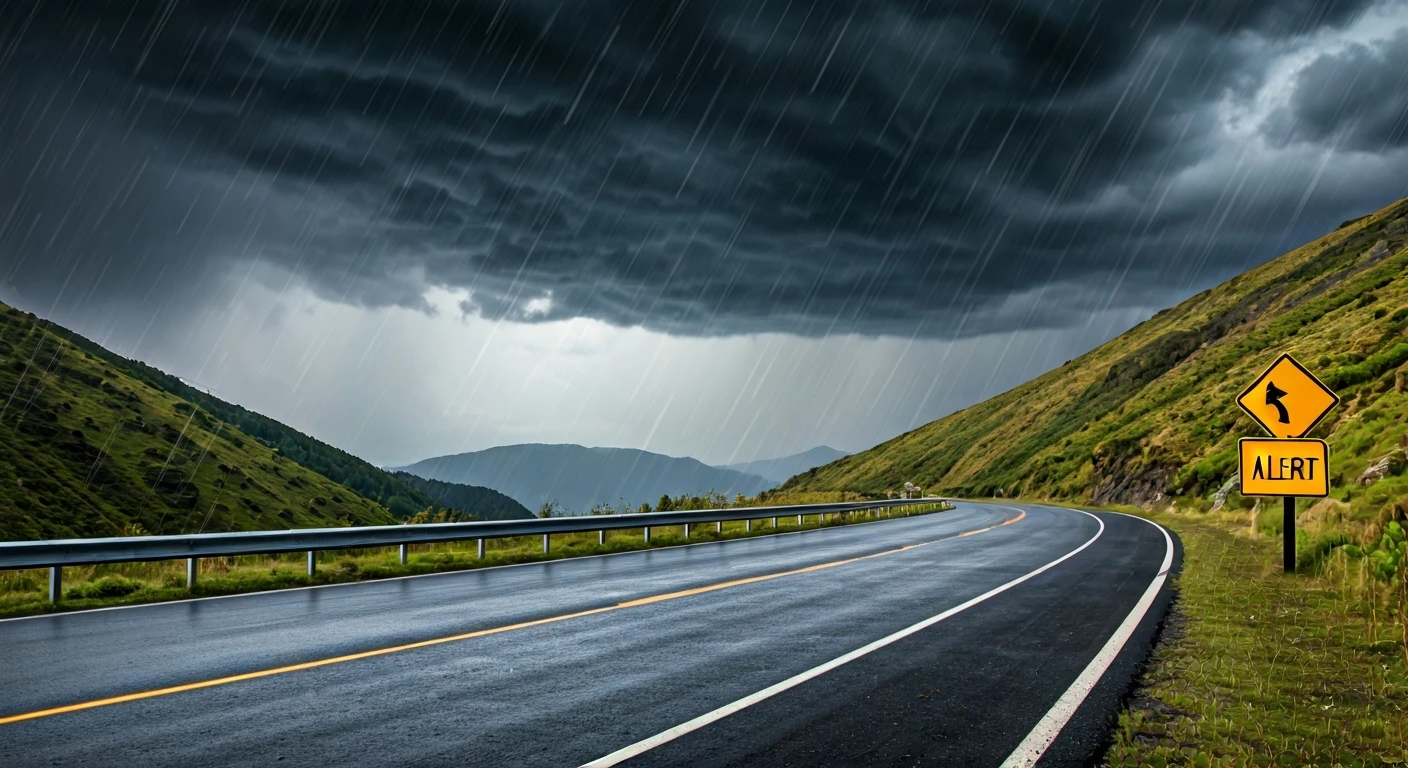
vigour. For many city dwellers, it’s the perfect weekend escape. However, this seasonal beauty comes with significant risks. The same rains that nurture the landscape can unleash devastating landslides, turn roads into slippery traps, and shroud highways in dense fog, making travel extremely hazardous. In late June 2026, authorities issued alerts for coastal and Malnad districts, including the areas around Sakleshpur, warning of heavy rainfall and an increased risk of landslides.
High-Risk Highways: Shiradi and Charmadi
Two of the most critical arteries connecting the coast with the hinterland run through this region: the Shiradi Ghat (part of National Highway 75) and the Charmadi Ghat. For travellers heading from Bengaluru towards Mangaluru, these routes are lifelines. They are also notorious hotspots for monsoon-related disruptions. Year after year, incidents of mudslides, falling boulders, and uprooted trees cause long traffic blockages and, at times, complete road closures. Just last year, in June 2025, a major landslide near Maranahalli in the Sakleshpur taluk shut down the Shiradi Ghat for over ten hours, stranding countless vehicles. This is not an isolated event but a predictable pattern of danger that repeats with each heavy downpour, making a strong case for a more dynamic safety system.
Why Current Alerts Fall Short
Authorities like the India Meteorological Department (IMD) and the Karnataka State Natural Disaster Monitoring Centre (KSNDMC) do issue weather alerts. Many residents and travellers receive SMS warnings about heavy rain or thunderstorms, sometimes geo-tagged to their location. While these district-level 'yellow' or 'orange' alerts are a crucial first step, they often lack the specificity a traveller needs. A warning for an entire district is useful, but it doesn’t tell a driver if a specific kilometre on the Charmadi Ghat is about to give way. The information is often too broad and not delivered in real time, leaving motorists to rely on news reports, social media, or word of mouth, which may arrive too late.
The Promise of Real-Time Technology
So, what does real-time awareness look like? It’s more than just a weather forecast. Pioneering work by Indian institutions like IIT Mandi and Amrita Vishwa Vidyapeetham offers a glimpse into the future. They have developed and deployed sophisticated landslide early warning systems in other parts of India, like Kerala and Himachal Pradesh. These systems use a network of low-cost wireless sensors embedded in the hillsides to monitor minute changes in soil moisture, pore pressure, and ground movement. This data is fed into AI-powered models that can predict a potential landslide with remarkable accuracy—sometimes with hours to spare. When a threat is detected, the system can automatically trigger localised alarms like sirens and blinking lights on the road itself, while also sending instant alerts to disaster management authorities and the public.
From Prediction to Prevention
Implementing such a system along the vulnerable stretches of the Sakleshpur ghats could be a game-changer. Imagine digital display boards on the highway approach updating in real-time, advising drivers to turn back due to a high-risk reading miles ahead. Or a dedicated mobile app that sends a push notification pinpointing an unstable slope on your planned route. This technology exists and has been successfully tested in India. It transforms disaster warnings from a reactive broadcast into a proactive, life-saving tool that empowers travellers and authorities to make informed decisions before tragedy strikes. The conversation needs to shift from simply managing post-landslide traffic to actively preventing people from being in harm's way in the first place.
How to Stay Safe Right Now
Until such advanced systems are universally deployed, the onus of safety falls heavily on the traveller. If you must travel through the ghats during the monsoon, caution is your best companion. Always check the latest advisories from official sources like the KSNDMC website before you start. Avoid travelling through the ghat sections at night when visibility is poor and help is harder to find. Ensure your vehicle is in excellent condition, particularly your tyres, brakes, and wipers. Drive slowly, maintain a safe distance from other vehicles, and be wary of stopping under steep hillsides. If possible, have a backup route planned and be prepared to turn back if conditions deteriorate. Your destination is not worth risking your life.