


A South Indian Tradition of Wellness
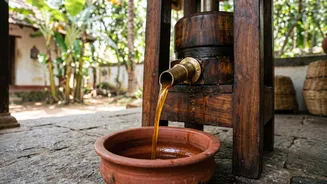
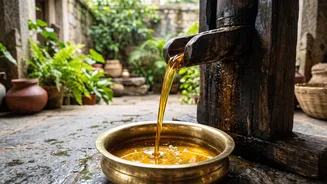
For centuries, cold-pressed sesame oil has been more than just a cooking medium in South India; it's a cornerstone of both cuisine and traditional medicine. Known locally as 'gingelly oil' or 'chekku ennai', this aromatic oil is integral to the region's
culinary identity, used for tempering spices, frying snacks like murukku, and as a finishing drizzle over idlis. Its significance extends into Ayurveda, where it is hailed as 'Til Taila' and used for practices like 'abhyanga' (oil massage) and 'gandusha' (oil pulling), believed to balance the body's systems. This deep-rooted cultural trust stems from a long-held belief in its nourishing and healing properties, a belief that modern science is now beginning to explore and validate.
Cholesterol: The Good, The Bad, and The Crucial Balance
To understand the benefits of sesame oil, it's helpful to first understand cholesterol. Our bodies have two main types: Low-Density Lipoprotein (LDL) and High-Density Lipoprotein (HDL). LDL is often called 'bad' cholesterol because high levels can lead to plaque buildup in arteries, a condition known as atherosclerosis, which increases the risk of heart disease. HDL, or 'good' cholesterol, works to remove excess cholesterol from the bloodstream. Maintaining a healthy balance between these two is vital for cardiovascular health. A diet rich in certain types of fats can play a significant role in managing this balance, which is where the composition of sesame oil becomes particularly interesting.
The Power Duo: Healthy Fats and Potent Antioxidants
Cold-pressed sesame oil boasts a powerful nutritional profile. It has a balanced composition of polyunsaturated fatty acids (PUFAs) and monounsaturated fatty acids (MUFAs). Diets rich in these healthy fats are known to support heart health. But the oil’s true distinction lies in its unique lignans—potent antioxidants named sesamin and sesamolin. Studies suggest that these compounds, along with other antioxidants like vitamin E, play a key role in its health benefits. Research indicates that sesamin may help reduce inflammation and oxidative stress, both of which are contributing factors to heart disease. Some studies have shown that regular consumption of sesame oil may help lower LDL cholesterol and triglycerides, while potentially increasing beneficial HDL cholesterol.
Why 'Cold-Pressed' Matters
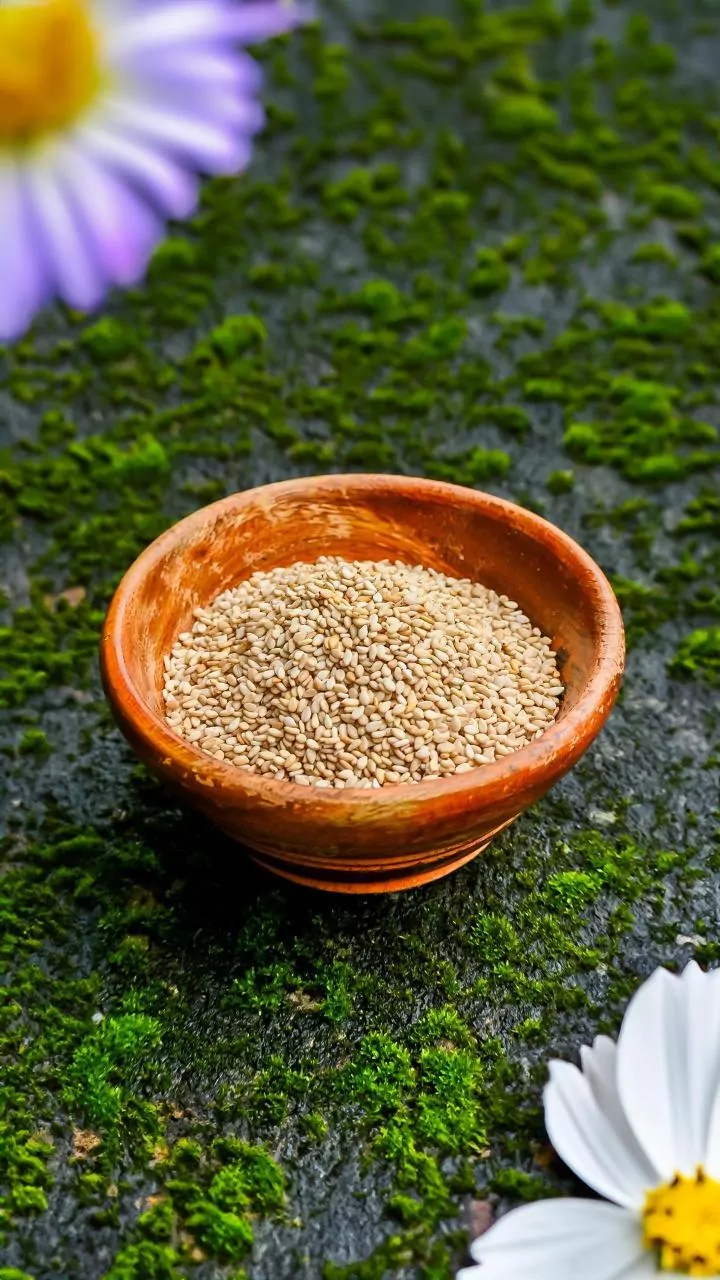
The method of extraction is critical. 'Cold-pressed' means the oil is extracted from sesame seeds mechanically at low temperatures, without the use of high heat or chemical solvents. This gentle process is crucial because it preserves the oil's natural nutrients, flavour, and, most importantly, its heat-sensitive antioxidants like sesamin and sesamol. Refined oils, in contrast, are processed at high temperatures, which can destroy a significant portion of these beneficial compounds. By choosing cold-pressed, you are getting an oil that is closer to its natural state, retaining the very components linked to its heart-protective effects.
Incorporating Sesame Oil Into Your Diet
Adding this traditional oil to your diet is both easy and delicious. Its nutty, rich flavour enhances a wide variety of dishes. In South Indian cooking, it's the go-to oil for 'tadka' (tempering spices) for dals and curries. You can use it for light sautéing, as a base for salad dressings, or mix it into marinades. For a traditional touch, try drizzling a spoonful over a plate of idli podi. While it has a moderate smoke point suitable for most everyday cooking, it's best to use it at low to medium temperatures to protect its delicate nutrients. Remember, while beneficial, all oils are calorie-dense and should be consumed in moderation as part of a balanced diet.