






The End of the 'Wear Once' Rule
For years, the unwritten rule of fashion, amplified by social media, was constant newness. The rise of fast fashion made it easy and affordable to buy trendy clothes, wear them a few times for that perfect online post, and then discard them. This cycle
of overconsumption led to a crisis of textile waste, with India being one of the largest contributors. But now, a growing number of Indians are pushing back against this 'wear and dispose' culture. They are embracing a more mindful approach, rooted in a desire for sustainability and personal expression over fleeting trends. This isn't just about saving money; it's a conscious decision to value what you own.
Celebrities Lead the Change
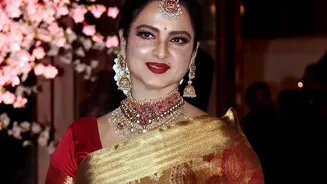
A significant catalyst for this shift has been the very people once seen as trendsetters: Bollywood celebrities. When stars like Alia Bhatt re-wore her wedding saree to accept a National Award, or when Deepika Padukone repeated an entire look, including jewellery, for a major awards show, it sent a powerful message. These moments, widely circulated on social media, have helped normalise outfit repeating, transforming it from a fashion fail into an admirable, confident choice. By publicly embracing their favourite pieces on multiple high-profile occasions, celebrities are demonstrating that true style lies in how you wear something, not how new it is.
The Rise of Conscious Consumerism
Beneath the surface of this trend is a deeper awareness of fashion's environmental impact. Consumers, particularly younger generations, are increasingly educated about the pitfalls of fast fashion, from water pollution caused by dyes to unethical labour practices. This has fueled the growth of a sustainable fashion movement in India, which uniquely blends modern ethics with traditional practices. India's rich heritage of handlooms, natural dyeing, and artisan crafts provides a natural alternative to mass-produced clothing. Brands championing zero-waste patterns and upcycled materials are finding a receptive audience, as people choose to invest in clothes with a story and a conscience.
It's Also About Smart Economics
While sustainability is a major driver, the shift is also grounded in practical economics. As living costs rise, shoppers are becoming more discerning. The concept of 'cost per wear' is gaining traction, encouraging people to think about the long-term value of a garment rather than just its initial price tag. Buying a high-quality, timeless piece that you can wear for years is ultimately more economical than purchasing multiple cheap, trendy items that fall apart after a few washes. This mindset encourages investing in versatile, well-made clothing, which naturally lends itself to being re-worn and restyled in multiple ways. It marks a move toward building a more personal and durable wardrobe.
From Hand-Me-Downs to Thrifting
The culture of reusing clothes has deep roots in many Indian households, where handing down clothes among siblings and cousins has always been a common practice. Today, this ethos is being modernised and expanded through the burgeoning thrift culture, especially among urban youth. Online thrift stores and pop-up markets are making second-hand shopping more accessible and aspirational. This movement challenges the stigma once associated with pre-owned clothing, framing it as a sustainable and unique way to express personal style, distinct from mainstream fast-fashion trends.