


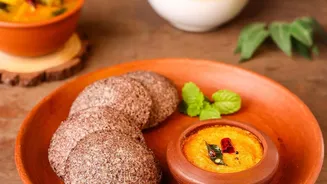

From Health Food To Snack Staple
For years, ragi (finger millet) and jowar (sorghum) were seen as rustic, traditional foods—essential for rotis and porridges but rarely associated with the fun, crunchy world of snacking. That perception has completely changed. As consumers increasingly
look for nutritious alternatives to snacks made with refined wheat flour (maida), these ancient grains are stepping into the spotlight. Innovators in the food industry, from home chefs to large brands, have discovered that ragi and jowar do more than just boost the nutritional profile of a snack; they fundamentally improve its texture, offering a sensory experience that refined flours often lack.
Ragi's Role: A Fine, Delicate Crisp
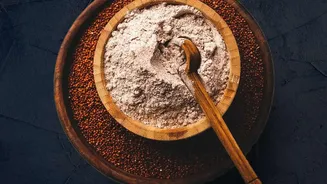
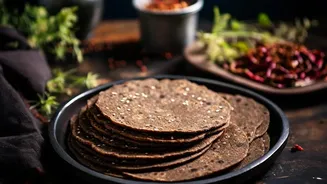
Ragi flour has a unique, slightly gritty consistency that transforms when cooked. Because it is gluten-free, it doesn't create the chewy, elastic structure of wheat. Instead, it produces a shorter, more delicate crumb. In baked goods like cookies, crackers, and mathris, this translates into a light, melt-in-the-mouth crispness. When mixed with other flours, ragi can lend a cake-like tenderness to muffins and a satisfying, sandy texture to shortbread-style biscuits. Its earthy flavour also pairs beautifully with ingredients like jaggery and cardamom, creating a richer taste profile alongside its signature fine crunch. Think of the delightful texture of baked ragi crackers or the soft crumble of a ragi-based cake; these are textures that are difficult to achieve with all-purpose flour alone.
Jowar's Joyful, Rustic Crunch
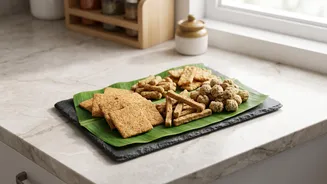
Jowar brings a different kind of textural magic to the table. Its flour is slightly heartier and more robust than ragi's. When used in snacks, jowar delivers a satisfyingly rustic and hearty crunch. This makes it perfect for creating sturdy, crispy snacks that can withstand dips and toppings. Baked jowar crackers or sticks have a wonderful snap, while popped jowar offers a light, airy crunch similar to popcorn. In extruded snacks like puffs, jowar creates a light yet substantial texture that is immensely satisfying to bite into. Its mild, slightly nutty flavour makes it a versatile base, allowing the spices and other ingredients to shine through while it provides the all-important crunchy foundation. Modern takes on classic snacks, such as jowar puff bhel or baked jowar samosas, leverage this grain's ability to create a fulfilling, guilt-free crunch.
The Science of the Snap
The textural superiority of these heritage grains comes down to their composition. The absence of gluten is a key factor. Gluten forms a protein network that gives dough its stretchiness and chewiness, which is desirable in bread but not always in snacks where crispness is the goal. Gluten-free flours like ragi and jowar create a less elastic, 'shorter' dough that breaks more easily, resulting in a crumbly and crisp final product. Furthermore, their high fibre content also plays a role. The fibre absorbs moisture and contributes to a denser structure that can become incredibly crunchy when baked or roasted. This is why snacks like millet-based chivda or baked jowar chips maintain their crunchiness so well.
Modern Snacks with Ancient Grains
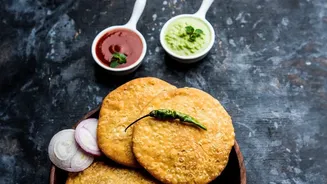
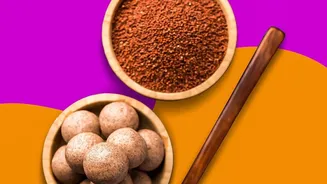
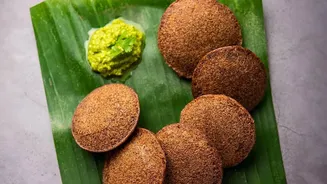
The Indian snack market is now filled with innovative products that showcase the textural benefits of these grains. You can find everything from ragi flakes for a crunchy breakfast cereal to jowar crisps seasoned with peri-peri. Brands are offering baked millet samosas, crunchy jowar sticks, and savoury paniyarams made with a ragi batter for a crispy exterior and soft interior. Even classic sweets are getting a makeover, with ragi ladoos and jowar cookies becoming popular for their unique texture and reduced guilt. These modern snacks prove that choosing a healthier option doesn't mean compromising on one of the most important aspects of a good snack: a satisfying texture.